


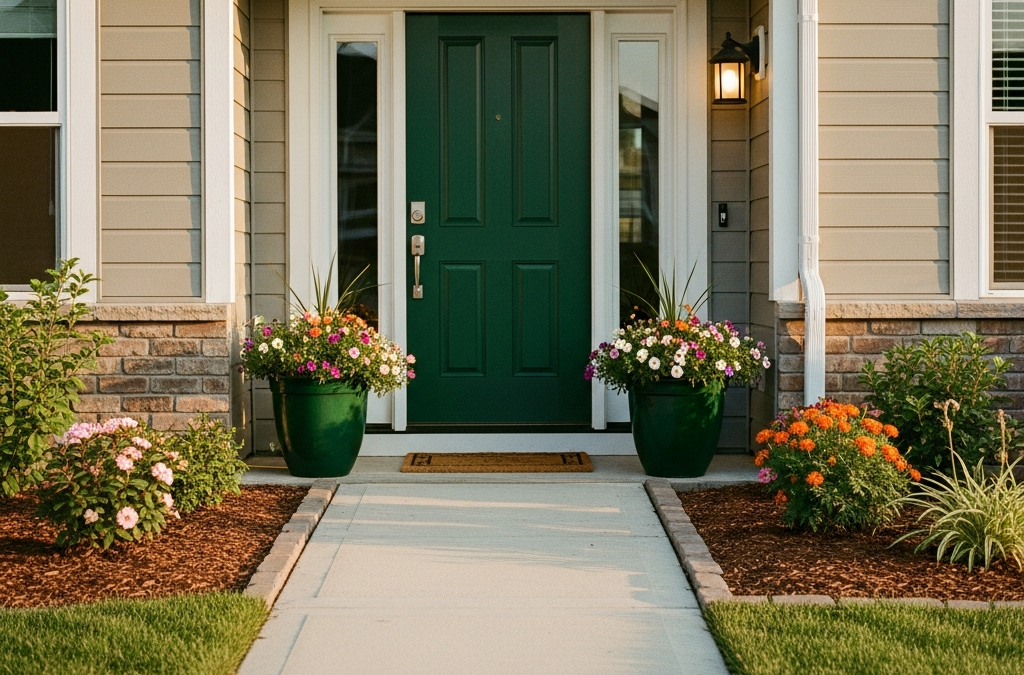
Your home makes its first impression before anyone steps through the front door. That initial view from the street, the curb appeal, sets expectations for everything inside. A well-maintained, attractive exterior signals that the homeowners care about their property, while a neglected facade can undermine even the most beautifully renovated interior.
The great news is that improving your curb appeal does not require a landscape architect or a contractor with a backhoe. Many of the most effective exterior updates are surprisingly affordable and well within reach for a weekend warrior with basic tools and a modest budget. The secret is knowing where your dollars and effort create the most visible impact and focusing your energy there.
This guide covers practical, budget-friendly exterior improvements organized from highest impact to finishing touches, so you can prioritize based on your budget and time. Whether you are preparing to sell, welcoming guests, or simply want to enjoy pulling into your driveway every evening, these updates will make your home the standout on the block.
Start With a Critical Eye: Assessing Your Curb Appeal
Before spending a dime, walk across the street and look at your home the way a visitor or potential buyer would see it for the first time. Take photos from several angles. What stands out, for better or worse? What looks tired, cluttered, or dated? What draws your eye, and what do you instinctively want to look away from?
Common curb appeal detractors include peeling or faded paint, overgrown or patchy landscaping, a cluttered porch or walkway, dirty or stained driveway and walkways, a dated or worn front door, missing or broken house numbers and mailbox, visible clutter like trash cans, garden hoses, or stored items, and dark or non-functional exterior lighting. Make a list of everything you notice. Then prioritize your improvements based on which issues are most visible and which fixes offer the best return for the money and effort involved.
The Front Door: Your Home's Handshake
Your front door is the single most impactful focal point of your home's exterior, and it is one of the least expensive things to update. A fresh coat of paint in a color that complements your home's exterior palette transforms the entire front facade. Bold, saturated colors like navy blue, forest green, deep red, or bright yellow create a welcoming statement. Even a classic fresh coat of black paint on a door that has seen better days makes a dramatic difference.
Beyond paint, consider the complete door experience. Replace worn or tarnished hardware with a matching set that includes the lockset, handle, and a new kickplate. Add or upgrade a door knocker. Install a fresh doorbell button. Replace a faded or peeling house number with new, modern numerals that are visible from the street.
A seasonal wreath or a pair of planters flanking the door adds warmth and personality. These finishing touches cost very little but signal that someone pays attention to the details.
If your door itself is damaged, warped, or poorly insulated, replacing it is a bigger investment that pays significant dividends in both curb appeal and energy efficiency. A new front door consistently ranks among the top home improvements for return on investment.
Power Washing: The Instant Facelift
Few home improvements deliver as dramatic a transformation as quickly as pressure washing. Over time, dirt, algae, mold, and mildew accumulate on siding, walkways, driveways, patios, fences, and decks. This buildup happens so gradually that you stop noticing it until you clean a section and see the shocking contrast.
Renting a pressure washer for a day typically costs between fifty and one hundred dollars, and you can clean the driveway, walkways, porch, patio, and portions of the siding in a single session. The house will look like it received a new paint job, and the hardscaping will look freshly installed.
Important cautions apply. Use appropriate pressure settings for different surfaces. Vinyl siding can be damaged by excessive pressure, and some older brick and mortar can be eroded by high-powered washing. Never pressure wash windows, and avoid directing the spray upward under siding or trim where water can be forced behind the exterior cladding. When in doubt about the right approach for your surfaces, a professional cleaning ensures thorough results without damage.
Landscaping: The Framework of Curb Appeal
Landscaping creates the visual framework that surrounds and presents your home. You do not need an elaborate garden design to achieve great curb appeal. Clean lines, healthy plants, and a well-maintained lawn do the heavy lifting.
Lawn Care Basics
A green, even lawn is the foundation of good curb appeal. Mow regularly at the appropriate height for your grass type, which is typically between two and a half and four inches depending on the variety. Edge along sidewalks, driveways, and garden beds for crisp, clean lines. Address bare patches with overseeding and keep weeds under control. If your lawn is beyond basic help, a professional lawn care treatment in spring can bring it back to life over a few months.
Define Garden Beds
Clean, defined edges between your lawn and garden beds create an immediate sense of care and intention. Use a half-moon edger or a flat spade to cut a clean trench along bed borders. This simple task takes an afternoon and makes landscaping look professionally maintained.
Refresh mulch in all planting beds. A two-to-three-inch layer of fresh mulch in a natural color like brown or dark brown instantly polishes the appearance of garden areas while suppressing weeds and retaining moisture. Avoid piling mulch against the foundation or tree trunks, which promotes moisture damage and pest problems.
Strategic Planting
You do not need dozens of plant varieties for effective landscaping. A simple palette of three to five plant types repeated throughout the front yard creates a cohesive, designed look. Layer plants by height with taller specimens in back, medium shrubs in the middle, and low ground cover or flowers along the front edge.
Choose plants suited to your climate zone and the specific light conditions of your yard. Native plants are often the best choice because they thrive with minimal maintenance and support local ecosystems. For seasonal color, container plantings on the porch or flanking the walkway are easy to swap out as blooms fade.
Tree and Shrub Maintenance
Overgrown shrubs that block windows, crowd walkways, or hide architectural features are one of the most common curb appeal problems. Prune foundation plantings to reveal your home's design rather than obscure it. Trim branches that overhang the roof, touch the house, or hang low over walkways. Remove any dead plants or trees promptly, as they are both unsightly and potentially hazardous.
Exterior Lighting: Safety Meets Style
Good exterior lighting serves double duty as both a safety feature and a design element. Illuminating your home's best features after dark extends your curb appeal around the clock and creates a welcoming atmosphere for evening visitors.
Start with the basics. Replace outdated porch lights with fixtures that match your home's style. A pair of matching sconces flanking the front door is classic and effective. Ensure your house numbers are illuminated or reflective for visibility. Add pathway lighting along the walkway from the street or driveway to the front door, which improves both safety and appearance.
For low-cost landscape lighting, solar-powered path lights and accent lights have improved dramatically in brightness and reliability. Position them to uplight interesting trees, highlight architectural features, or define garden bed borders. Low-voltage LED landscape lighting systems offer more brightness and reliability than solar options and can be installed without an electrician.
The approach of maintaining functional systems like exterior lighting while also keeping them looking their best mirrors the kind of comprehensive home care philosophy discussed in Weatherproofing Your Home: Protecting Against All Four Seasons, where practical maintenance and visual appeal go hand in hand.
House Numbers, Mailbox, and Address Visibility
These small details contribute significantly to overall curb appeal and serve a practical function. Faded, missing, or dated house numbers make your home look neglected. Modern house numbers in a finish that complements your door hardware create a polished, intentional look. Mount them where they are visible from the street, well-lit at night, and scaled appropriately for the viewing distance.
Your mailbox is another element that visitors and passersby see prominently. A fresh coat of paint, a new post, or a complete mailbox replacement transforms a worn, rusted fixture into a crisp accent piece. Coordinate the style with your home's architecture for a cohesive appearance.
Fencing, Gates, and Boundaries
If your property includes fencing, its condition has an outsized impact on curb appeal. A leaning, rotting, or missing-board fence is one of the first things people notice. Straighten leaning posts, replace damaged boards, and apply a fresh coat of stain or paint to bring a tired fence back to life.
For chain-link fencing that you cannot replace, privacy slats or climbing plants can soften its utilitarian appearance. A new gate with quality hardware improves both the look and the function. Even something as simple as replacing a broken latch or tightening sagging hinges makes the property feel better maintained.
Porch and Entryway Upgrades
The porch and entry area are the transition zone between your home's exterior and interior, and they deserve special attention.
Seating and Comfort
Even a small porch benefits from seating. A pair of rocking chairs, a bench, or a small bistro set signals that this is a welcoming, lived-in space. Choose weather-resistant furniture that complements your home's style and add outdoor cushions or pillows for color and comfort.
Floor and Ceiling Treatments
Painting a worn concrete porch floor freshens the entire entry area. For wood porches, a fresh coat of deck stain protects the surface and improves appearance. Painting the porch ceiling a soft blue, a Southern tradition known as haint blue, adds character and a sense of depth. Clean and paint porch railings and columns, replacing any that are damaged or rotting.
Accessorize Thoughtfully
A new welcome mat, a seasonal planter arrangement, and a porch light on a timer create an inviting entry at minimal cost. Avoid cluttering the porch with too many decorative items. A clean, uncluttered porch with two or three intentional accent pieces looks far more appealing than one crowded with knickknacks.
Driveway and Walkway Improvements
The path from the street to your front door creates a visual journey that influences the overall impression of your home.
Repair Cracks and Damage
Fill cracks in concrete driveways and walkways with appropriate concrete filler. Patch asphalt driveway cracks and holes with cold-patch asphalt repair compound. Releveling sunken walkway pavers prevents trip hazards and creates a smoother visual line. These repairs cost very little but eliminate the neglected appearance that cracked, damaged hardscaping creates.
Edge and Define
Edge along both sides of walkways and driveways for clean, defined borders. Pull weeds from cracks and expansion joints, and apply a polymeric sand or weed prevention treatment to keep them from returning. A clean, weed-free driveway makes the entire front yard look better maintained.
Consider a Walkway Upgrade
If your front walk is a simple concrete slab, consider enhancing it with a border of pavers, brick, or stone on either side. This framing detail adds character and visual interest without replacing the entire walkway. For more dramatic improvements, a new paver or flagstone walkway is a project that delivers decades of enhanced curb appeal.
Window and Trim Maintenance
Clean windows and well-maintained trim frame your home's face and have a major impact on how polished the exterior looks.
Window Cleaning
Clean all exterior windows until they sparkle. Dirty windows dull the entire facade and make even new paint look grimy. Clean window screens as well, or replace damaged screens that are visible from the street.
Trim, Shutters, and Accents
Scrape and paint any peeling or flaking trim. Repair or replace damaged sections rather than painting over rot, which only hides the problem temporarily. If your home has shutters, ensure they are straight, securely mounted, and freshly painted. Faded or crooked shutters detract from curb appeal more than having no shutters at all. Consider whether your shutters add to or subtract from the home's appearance, as removing shutters that do not suit the architecture can actually improve the look.
Garage Door: The Elephant in the Room
On many homes, the garage door is the single largest visible element of the front facade. A dated, dented, or faded garage door can undermine every other improvement you have made. While replacing a garage door is a moderate investment, it consistently ranks among the top home improvements for return on investment by real estate professionals.
If replacement is not in the budget, a thorough cleaning, a fresh coat of paint, and updated hardware can significantly improve a garage door's appearance. Decorative hardware kits that add faux hinges and handles are available for under fifty dollars and give a plain raised-panel door a carriage-house look.
Putting It All Together: A Budget-Friendly Action Plan
The most effective approach to curb appeal is working from largest visual impact to smallest, allocating your budget accordingly. Here is a suggested prioritization for maximum impact on a limited budget.
Start with cleaning. Pressure wash the driveway, walkways, and siding. Clean all windows. This costs almost nothing beyond equipment rental and makes everything look dramatically better. Next, address the front door with paint, hardware, and flanking planters. Then refresh the landscaping with lawn care, bed edging, fresh mulch, and strategic pruning. Update exterior lighting, especially at the entry. Handle repairs including cracked walkways, damaged trim, broken fence boards, and peeling paint. Finish with accessories and details like house numbers, mailbox upgrades, porch furnishings, and seasonal touches.
According to the National Association of Realtors, landscape maintenance, upgraded exterior lighting, and a new front door are consistently among the most impactful exterior improvements for both homeowner enjoyment and resale value.
Working through this list over several weekends allows you to spread the cost and effort while seeing noticeable improvement at every stage.
Frequently Asked Questions About Curb Appeal Improvements
What exterior home improvements have the best return on investment?
The exterior improvements with the highest return on investment consistently include garage door replacement, a new front door or front door refinishing, landscape maintenance and upgrades, updated exterior lighting, and fresh paint or siding repair. These improvements appeal to the broadest range of buyers and create the most visible impact relative to their cost.
How much should I budget for curb appeal improvements?
Basic curb appeal improvements including pressure washing, landscaping refresh, front door paint, and new hardware can typically be completed for three hundred to seven hundred dollars. Mid-range improvements adding exterior lighting, walkway repairs, and more extensive landscaping run one thousand to three thousand dollars. Premium upgrades including a new front door, garage door update, and comprehensive landscaping can range from five thousand to fifteen thousand dollars depending on scope.
What is the fastest way to improve curb appeal?
The fastest high-impact curb appeal improvements include pressure washing the driveway and walkways, mowing and edging the lawn, adding fresh mulch to garden beds, cleaning windows, painting the front door, placing potted plants at the entry, and removing any visible clutter. These tasks can be completed in a single weekend and create a noticeable transformation.
What paint colors are best for a front door?
The best front door colors depend on your home's exterior palette, but consistently popular and effective choices include navy blue, forest green, bright red, black, charcoal gray, and warm yellow. Choose a color that contrasts with your siding to create a focal point. Glossy or semi-gloss finishes reflect light and draw attention to the door, enhancing its status as the entry focal point.
How do I improve curb appeal in a rental or HOA community?
In settings where permanent modifications are limited, focus on reversible changes like potted plants, seasonal wreaths, new welcome mats, container gardens, outdoor rugs, and porch furniture. Pressure washing, window cleaning, and meticulous lawn and garden maintenance also make a big difference without permanent alterations. Check your HOA guidelines before making any changes to ensure compliance.
What landscaping mistakes hurt curb appeal?
Common landscaping mistakes that reduce curb appeal include overgrown shrubs that block windows or hide the house, patchy or weedy lawns, empty or bare garden beds, mulch piled against the foundation or tree trunks, too many different plant varieties creating a chaotic look, neglected hardscaping with cracked or weed-filled joints, and dead or dying plants left in place. Simplicity and maintenance matter more than complexity.
How do I choose the right exterior lighting for my home?
Match your lighting style to your home's architecture. Traditional homes suit lantern-style fixtures. Modern homes look best with clean-lined, geometric designs. Farmhouse styles pair well with barn-light or gooseneck fixtures. For all styles, ensure the entry is well-lit, the path from the street is illuminated, the house numbers are visible at night, and interesting architectural or landscape features are accented.
Is pressure washing safe for all exterior surfaces?
Pressure washing is safe for concrete driveways, walkways, and patios, brick in good condition, vinyl siding at lower pressure settings, and composite decking. Use caution or avoid pressure washing on old or deteriorating brick and mortar, painted wood siding, stucco, asphalt roofing shingles, and windows. Always start with the lowest effective pressure and test an inconspicuous area first. For delicate surfaces, soft washing with low pressure and cleaning solutions is a safer alternative.
What curb appeal improvements should I make before selling?
Before listing, prioritize fresh exterior paint or touch-ups, a clean or new front door, manicured landscaping with fresh mulch, pressure washed hardscaping, clean windows, functional exterior lighting, a clean garage door, repaired walkways and driveways, trimmed trees and shrubs, and a clutter-free yard. These improvements create the essential positive first impression that drives buyer interest and offers.
How often should I refresh my home's curb appeal?
A comprehensive curb appeal refresh once per year, ideally in spring, keeps your home looking its best. Ongoing maintenance like weekly mowing, regular edging, seasonal plant swaps, and periodic window cleaning maintains the foundation throughout the year. Power washing every one to two years prevents buildup from accumulating. Touch-up painting, hardware cleaning, and lighting maintenance should happen as needed.
Can I improve curb appeal without spending money?
Several effective curb appeal improvements cost nothing. Mow and edge the lawn with equipment you already own. Pull weeds from garden beds, walkways, and cracks. Store trash cans, garden hoses, and tools out of sight. Remove dead plants and debris from beds. Straighten crooked shutters, house numbers, or mailbox. Sweep the porch, walkway, and driveway. Rearrange or simplify porch decor. Clean the front door and entry area. Trim overgrown shrubs and branches. These zero-cost tasks can significantly improve your home's appearance.
What seasonal touches improve curb appeal year-round?
Rotate seasonal elements to keep your entry looking fresh throughout the year. Spring calls for colorful flower planters and a fresh wreath. Summer invites lush container gardens and vibrant cushions. Fall welcomes warm-toned mums, pumpkins, and harvest-themed accents. Winter benefits from evergreen arrangements, tasteful lighting, and seasonal wreaths. Changing these small elements every few months shows attention to detail and keeps the entry feeling current and welcoming.