


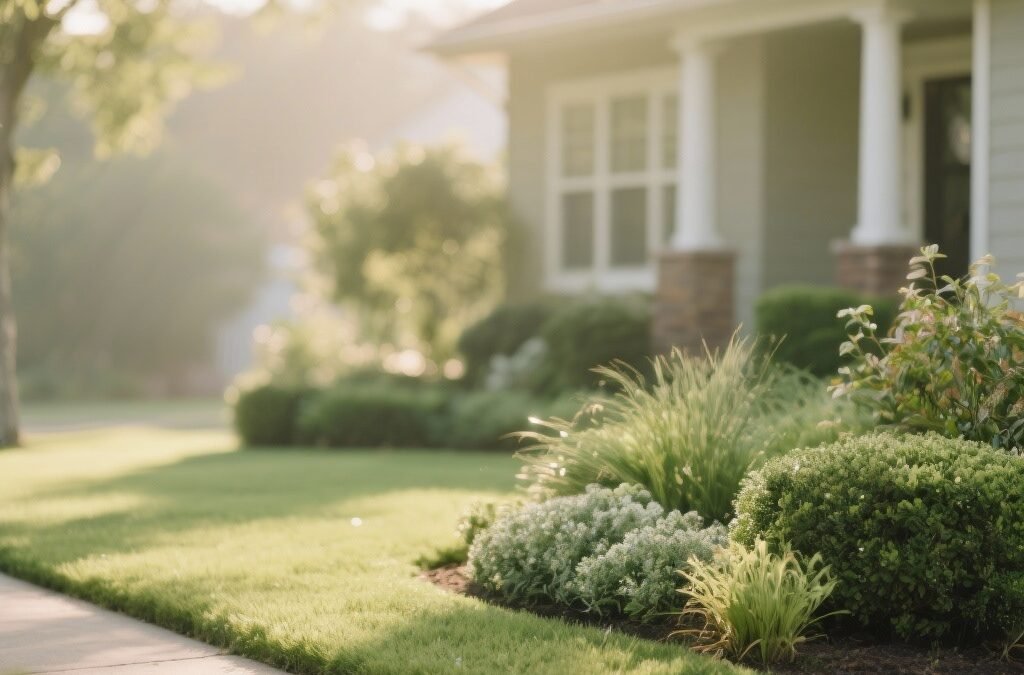
Your home's exterior is the first thing visitors, neighbors, and potential buyers see. Well-designed landscaping doesn't just make your property look beautiful—it can increase your home's value by 7-15% and make it sell faster when the time comes. The best part? You don't need a massive budget or endless hours to create an attractive, low-maintenance landscape that enhances your curb appeal.
The Foundation: A Healthy Lawn
A lush, well-maintained lawn provides the canvas for the rest of your landscaping. You don't need a golf-course-perfect lawn, but a healthy, weed-free expanse of green makes a strong first impression.
Lawn care basics:
- Mow regularly but avoid cutting more than one-third of the grass height at once
- Water deeply and less frequently (1-1.5 inches per week) to encourage deep root growth
- Aerate annually to reduce soil compaction
- Overseed thin areas in fall or spring
- Apply appropriate fertilizer based on your grass type and soil test results
- Edge along walkways and beds for a crisp, maintained look
Low-maintenance alternatives: If you're in a drought-prone area or want to reduce maintenance, consider replacing some lawn with native groundcovers, clover, or ornamental grasses. These options require less water and mowing while still looking attractive.
Frame Your Entry
Your front door is the focal point of your home's exterior. Drawing attention to it with thoughtful landscaping creates an inviting entrance.
Entry landscaping ideas:
- Flank your front door with matching planters or symmetrical plantings
- Add a pop of color with seasonal flowers in containers
- Install landscape lighting to illuminate the path and highlight your entry at night
- Use a statement plant like a Japanese maple or decorative shrub as an anchor
- Keep the area immediately around your door clear and welcoming
- Ensure your house numbers are visible and attractive
Layer Your Plantings
Professional landscapers use a "thriller, filler, spiller" approach in beds, and the same principle works for foundation plantings.
Creating depth and interest:
- Place taller shrubs or small trees at the back (thrillers)
- Fill the middle layer with medium-height perennials or shrubs (fillers)
- Use low-growing plants or groundcovers at the front edges (spillers)
- Vary textures by combining fine-leaved plants with bold, broad-leaved varieties
- Mix evergreens with deciduous plants for year-round interest
- Consider bloom times to ensure color throughout the growing season
Choose Low-Maintenance Plants
The best landscaping is sustainable and doesn't require constant attention. Native and adapted plants thrive with minimal intervention once established.
Smart plant selection:
- Research plants native to your region—they're adapted to local climate and soil
- Group plants with similar water needs together
- Choose disease-resistant varieties to reduce maintenance
- Select plants appropriate for their location's sun exposure
- Consider mature size to avoid constant pruning
- Incorporate drought-tolerant plants to reduce water use
- Use perennials that return year after year rather than replanting annuals
Regional considerations: A landscape perfect for Arizona won't work in Maine. Visit local nurseries and botanical gardens to see what thrives in your area.
Mulch: The Landscaper's Secret Weapon
A fresh layer of mulch instantly makes any landscape look maintained and provides numerous practical benefits.
Benefits of mulching:
- Suppresses weeds
- Retains soil moisture
- Regulates soil temperature
- Adds organic matter as it decomposes
- Creates a finished, cohesive look
- Protects plant roots
Mulching best practices:
- Apply 2-3 inches of mulch in planting beds
- Keep mulch a few inches away from tree trunks and plant stems to prevent rot
- Refresh mulch annually or every other year
- Choose organic mulches like shredded bark, wood chips, or pine straw
- For a uniform look, use the same mulch throughout your landscape
Define Your Edges
Clean, defined edges between lawn and planting beds create a polished, intentional look that elevates your entire landscape.
Edging options:
- Manual edging with a half-moon edger or spade (free but requires regular maintenance)
- Plastic or metal edging strips for permanent definition
- Stone or brick borders for a classic, formal appearance
- Natural edges maintained with string trimmer and occasional re-cutting
- Consider the architectural style of your home when choosing edging materials
Add Hardscape Elements
Incorporating non-plant elements adds structure and reduces maintenance while increasing visual interest.
Hardscape ideas:
- Install a stone or brick walkway leading to your entrance
- Add a decorative mailbox or post that complements your home's style
- Include a bench or seating area in larger yards
- Use decorative rocks or boulders as focal points
- Build raised beds for definition and easier maintenance
- Install a trellis or arbor for vertical interest
Strategic Tree Placement
Trees are one of the highest-return investments in landscaping, potentially adding thousands of dollars to your property value. However, placement matters.
Tree placement guidelines:
- Plant trees far enough from the house to avoid foundation or roof issues (generally 10-20 feet minimum, depending on mature size)
- Position deciduous trees on the south and west sides to provide summer shade and winter sun
- Use evergreens as windbreaks or privacy screens
- Avoid planting directly under power lines
- Consider sight lines from inside the house—you want to frame views, not block them
- Choose trees with non-invasive root systems near sidewalks and driveways
Maintain Good Proportions
Your landscaping should complement, not overwhelm or underwhelm, your home.
Proportionality guidelines:
- Foundation shrubs should grow to no more than two-thirds the height of the first-floor windows
- Leave adequate space between plants for their mature size
- Ensure landscaping enhances rather than hides your home's architectural features
- Balance larger plantings on one side with similar mass on the other for visual equilibrium
Seasonal Color
Strategic pops of color draw the eye and create emotional appeal, especially important if you're selling.
Easy color solutions:
- Plant spring bulbs in fall for early season impact
- Use containers with seasonal annuals that can be swapped out
- Choose perennials with extended bloom times
- Include plants with colorful foliage, not just flowers (like Japanese maple or coral bells)
- Don't overdo it—strategic splashes of color are more effective than overwhelming variety
Lighting for Evening Appeal
Landscape lighting extends your home's beauty into evening hours and improves safety.
Effective landscape lighting:
- Illuminate the pathway to your front door
- Use uplighting to highlight interesting trees or architectural features
- Install low-voltage LED systems for energy efficiency
- Place lights to avoid harsh glare—aim for a subtle, welcoming glow
- Consider solar options for easy, no-wiring installation
Water Features: Proceed with Caution
Fountains and ponds can be beautiful but require ongoing maintenance. Small, self-contained fountains can add interest without major upkeep.
Regular Maintenance is Key
Even low-maintenance landscaping requires some ongoing care to maintain curb appeal.
Essential maintenance schedule:
- Weekly: Mow lawn, deadhead flowers, pull visible weeds
- Monthly: Edge beds, prune as needed, fertilize during growing season
- Seasonally: Mulch, trim shrubs, divide perennials, clean up leaves
- Annually: Prune trees, refresh mulch, assess and replace struggling plants
Return on Investment
According to real estate professionals, excellent landscaping can recover 100-200% of its cost when you sell, making it one of the best home improvement investments. But even if you're not selling, a beautiful landscape improves your daily quality of life and enjoyment of your home.
Start Small and Build
You don't need to overhaul your entire landscape at once. Start with the basics—lawn care, clean edges, and plantings near your entryway. Add elements gradually as your budget and time allow. Focus on creating a cohesive, maintained appearance rather than trying to do everything at once.
Remember, the best landscaping for your home is one that suits your lifestyle, your climate, and your aesthetic preferences. When done thoughtfully, landscaping becomes a source of pride and enjoyment while significantly enhancing your property's appeal and value.