


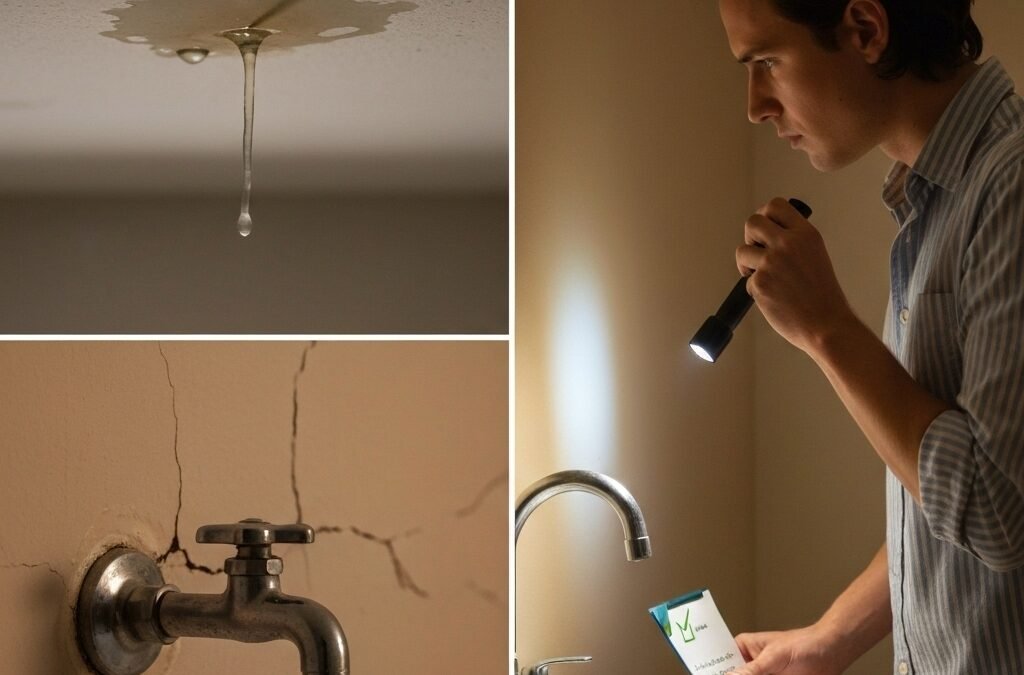
Your home talks to you every single day. I know that sounds a little strange, but it's true. The problem is that most of us don't speak "house" fluently enough to understand what it's saying until something major goes wrong and suddenly we're facing a repair bill that makes our eyes water.
Here's the thing though – your home usually gives you plenty of warning signs before small issues turn into expensive disasters. It's like when your car starts making that weird noise weeks before it breaks down on the highway. If you catch these signals early, you can often address problems when they're still manageable instead of waiting until they've grown into full-blown emergencies.
Let's talk about the warning signs your home might be sending you right now, and what they actually mean.
Water Stains: The Story Your Ceiling and Walls Are Telling
Water stains are like your home waving a red flag and shouting "Hey! We've got a problem here!" The tricky part is that by the time you see a water stain, water has usually been traveling for a while to get there.
That brownish or yellowish discoloration on your ceiling? It's not just unsightly – it's telling you that water is getting somewhere it shouldn't be. Maybe it's a roof leak, maybe it's a plumbing issue, or perhaps it's condensation from poor ventilation. The stain itself is just the messenger.
What makes water stains particularly sneaky is that they don't always appear directly under the source of the leak. Water can travel along beams, pipes, or other structural elements before finally soaking through and creating a visible stain. So that spot on your living room ceiling might actually be coming from a roof leak twenty feet away.
If you spot a water stain, don't just paint over it and hope for the best. That's like putting a bandaid on a broken bone. You need to find the source and address it, because wherever there's water damage visible on the surface, there's likely more damage you can't see yet.
Pay special attention to water stains that appear after rain, around bathroom fixtures, near HVAC equipment, or in areas below bathrooms or kitchens. These locations give you clues about where to start looking for the source.
Cracks: When Your Home's Foundation Speaks
Not all cracks are created equal, and learning to distinguish between normal settling and serious structural issues can save you a lot of worry – and potentially a lot of money.
Hairline cracks in drywall or plaster are usually just cosmetic issues caused by normal settling, temperature changes, or minor movement. They're annoying, sure, but they're not typically cause for alarm. Think of them like the small wrinkles that come with age – not ideal, but not necessarily a problem.
But then there are the cracks that should get your attention immediately. Horizontal cracks in your foundation, cracks wider than a quarter-inch, cracks that seem to be growing, or cracks accompanied by doors and windows that suddenly won't close properly – these are your home telling you something more serious is happening.
Stair-step cracks in brick or block walls are particularly concerning because they often indicate foundation movement or settlement issues. If you can stick a credit card into a crack, or if you notice the crack seems to be getting wider over time, it's worth having a professional take a look.
Ceiling cracks that run across the ceiling and down a wall can indicate structural stress that needs evaluation. The same goes for cracks around door frames or window frames – these often mean the house is shifting in ways it shouldn't.
The key with cracks is monitoring them. Take photos, mark the ends with a pencil and date them, and check back periodically. If they're growing, you know you have an active problem that needs attention.
Strange Sounds: Your Home's Language
Houses make noise – that's just part of living in a structure made of materials that expand, contract, and settle. But some noises are your home's way of telling you to pay attention.
That gurgling sound from your drains? It's not just annoying background noise. It often means there's a venting problem or a partial blockage developing in your plumbing system. Address it now, and it's a relatively minor issue. Ignore it, and you might end up with a serious backup situation.
Banging or knocking sounds when you turn on water – often called "water hammer" – suggests problems with water pressure or air chambers in your plumbing. While it might not seem urgent, these pressure issues can stress your pipes and fixtures over time.
Scratching or scurrying sounds in your walls or attic are pretty obviously telling you that you've got unwanted houseguests. The sooner you address wildlife intrusions, the less damage they'll cause and the easier they are to resolve.
Your HVAC system has its own vocabulary too. Squealing might mean a belt issue, grinding could indicate motor problems, and rattling often suggests loose components. None of these sounds should be ignored, because small HVAC problems have a way of becoming expensive ones if left unattended.
Even your water heater talks to you. Popping or rumbling sounds often mean sediment has built up in the tank, reducing efficiency and potentially shortening the unit's lifespan. A simple flush might be all it needs.
Unusual Odors: When Your Nose Knows
Your nose is actually one of your best tools for detecting home problems early. Certain smells should always prompt immediate investigation.
A musty or earthy smell almost always means moisture where it shouldn't be. This could indicate hidden water damage, poor ventilation, or the early stages of mold growth. Don't just mask these odors with air fresheners – find the source of the moisture and address it.
The smell of rotten eggs isn't just unpleasant – if you have natural gas service, it's dangerous. Gas companies add this distinctive odor to naturally odorless gas so you can detect leaks. If you smell it, leave immediately and call your gas company from outside your home.
A burning smell when you first turn on your heating system in fall is usually just dust burning off the elements, but if the smell persists or happens at other times, it could indicate electrical problems or overheating components that need attention.
Sewage odors inside your home suggest problems with your plumbing vents, dried-out P-traps, or potentially serious sewer line issues. These aren't problems that improve on their own.
Doors and Windows That Stick or Won't Close Properly
When doors and windows that used to work fine suddenly start sticking or won't latch properly, your house is telling you something about its structure.
Some seasonal sticking is normal – wood swells and contracts with humidity changes, and this can make doors and windows a bit temperamental. But if the problem persists across seasons or gets progressively worse, it often indicates foundation settlement or structural movement.
Pay particular attention if multiple doors or windows in the same area start having problems simultaneously. This clustering of issues usually points to a structural issue rather than just individual door or window problems.
Gaps appearing around door frames or windows are another sign of potential structural movement. If you can see daylight around a door frame that used to fit snugly, or if you notice new gaps at the corners of window frames, it's worth investigating further.
Peeling or Bubbling Paint
Paint problems aren't always just cosmetic issues – sometimes they're symptoms of bigger problems underneath.
Interior paint that's peeling or bubbling often indicates moisture problems within your walls. This could be from plumbing leaks, exterior water intrusion, or condensation issues. The paint is literally being pushed off the wall by moisture, so painting over it without addressing the underlying cause is just a temporary fix.
Exterior paint peeling can sometimes just mean it's time to repaint, but it can also indicate moisture problems from inside the house pushing outward, or problems with the siding or exterior moisture barriers.
Bubbling paint specifically often means water has gotten between the paint and the surface underneath. Pop one of these bubbles and you'll likely find moisture or evidence of water damage.
Increased Energy Bills Without Explanation
Your utility bills are like a report card for your home's efficiency. When bills suddenly spike without a corresponding change in your usage patterns or utility rates, your home is telling you that something's not working as efficiently as it should.
A sudden increase in heating or cooling costs might indicate problems with your HVAC system, ductwork leaks, or insulation failures. It could also mean air sealing issues have developed, letting your conditioned air escape.
Rising water bills without increased usage often mean you have a leak somewhere. Sometimes these are obvious, but other times they're hidden inside walls or underground.
The key is noticing these changes early. Many utility companies offer usage tracking that lets you compare your consumption to previous periods. Take advantage of these tools to catch efficiency problems before they cost you too much money.
Soft or Spongy Floors
When you walk across a floor and it feels soft, spongy, or unusually flexible, your home is definitely trying to tell you something – and it's usually not good news.
This sensation often indicates water damage to the subfloor or floor joists underneath. It might be from a slow leak that's been happening for a while, condensation problems, or past water damage that wasn't properly addressed.
Soft spots are particularly common around toilets (where the wax ring may have failed), in front of dishwashers (where small leaks often go unnoticed), and in bathrooms generally (where moisture is a constant presence).
Don't ignore spongy floors with the thinking that you'll deal with it eventually. The problem is actively getting worse, and the longer you wait, the more extensive (and expensive) the repairs become.
Mold or Mildew Growth
Visible mold or mildew isn't just unsightly – it's your home's way of telling you there's too much moisture in that area. Mold doesn't grow without moisture, so anywhere you see mold, you know there's a moisture problem to address.
Bathrooms naturally have more moisture, but even there, mold growth suggests your ventilation isn't adequate. Mold in other areas of your home definitely indicates problems that need attention.
Sometimes the mold is obvious – black spots on walls or ceilings. Other times you'll smell it before you see it – that distinctive musty odor that tells you mold is growing somewhere even if you haven't found it yet.
The solution isn't just cleaning up the visible mold – it's finding and fixing the moisture source. Otherwise, you're just playing whack-a-mole with a problem that will keep coming back.
Pest Activity: Uninvited Messengers
Seeing one or two bugs in your house doesn't necessarily mean anything, but increased pest activity can indicate problems with your home's envelope or conditions that are attracting them.
Termites, carpenter ants, and powder post beetles are particularly concerning because they're not just annoying – they're literally eating your house. Signs like small piles of sawdust, mud tubes on foundation walls, or hollow-sounding wood when you tap it all deserve immediate attention.
Even less destructive pests can be messengers. Seeing more bugs than usual might mean you've developed cracks or gaps in your home's exterior that need sealing. Moisture-loving insects like silverfish or house centipedes suggest humidity problems.
Trust Your Instincts
Here's something most home maintenance guides don't tell you: trust your gut. You know your home better than anyone else. If something feels different, looks wrong, or just seems "off," it's worth investigating.
Maybe a room feels more humid than it used to. Perhaps there's a draft you never noticed before. Or you've started hearing a sound that wasn't there last month. These subtle changes are often the earliest warning signs of developing problems.
Don't talk yourself out of investigating just because you can't immediately identify what's wrong. Your subconscious picks up on patterns and changes that your conscious mind might not fully register. If something feels wrong, take the time to look more closely.
What to Do When Your Home Talks to You
Recognizing these warning signs is only useful if you actually do something about them. When you spot potential problems, take action:
Start by documenting what you're seeing. Take photos, write down when you first noticed the issue, and note any patterns or changes. This documentation helps professionals diagnose problems and can be valuable for insurance claims if needed.
For some issues, you can do a bit of detective work yourself. That water stain might lead you to an obvious roof leak you can temporarily patch. Those drafty windows might just need new weatherstripping you can install yourself.
But know your limits too. Some problems require professional expertise to diagnose and repair properly. There's no shame in calling in experts – in fact, it's usually the smarter and more economical choice for anything involving your home's structure, major systems, or safety.
The most important thing is not to ignore what your home is telling you. Small problems caught early are almost always easier and less expensive to fix than major problems discovered late. Your home is doing its best to communicate with you – all you need to do is pay attention and respond appropriately.
Think of home maintenance like healthcare – regular check-ups and quick responses to symptoms keep everything running smoothly and prevent minor issues from becoming major crises. Your home is your biggest investment and the shelter for your family. It deserves your attention when it's trying to tell you something's wrong.