
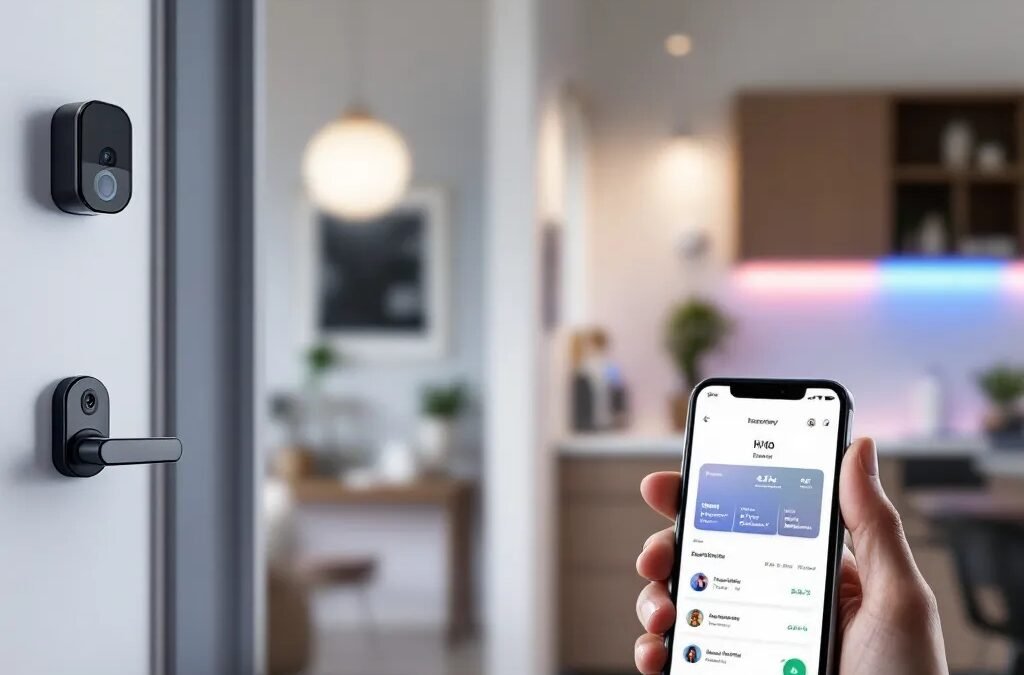
Remember when "home security" meant a deadbolt on the front door and maybe leaving a light on when you went out of town? Those days feel like ancient history now. We're living in an era where technology can help protect our homes and families in ways that would have seemed like science fiction just a couple of decades ago.
But here's the thing about smart home technology – it can be overwhelming. Walk into any home improvement store or browse online, and you'll find thousands of devices all promising to make your home safer and smarter. How do you know what's actually worth the investment versus what's just expensive gadget clutter?
Let's cut through the noise and talk about smart home upgrades that genuinely improve safety and give you real peace of mind, without requiring a degree in technology or an unlimited budget.
Starting With What Matters Most: Smart Security Basics
If you're going to invest in smart home technology for safety, start with the basics that actually prevent problems or help you respond quickly when something goes wrong.
Smart security cameras have come a long way from those grainy, unreliable systems of the past. Modern cameras offer clear video, night vision, and the ability to check in on your property from anywhere using your smartphone. But the real value isn't just recording what happens – it's the deterrent effect and the peace of mind from being able to see what's happening at home when you're not there.
Doorbell cameras have become incredibly popular, and for good reason. They let you see and speak with whoever's at your door whether you're home or not. Beyond the obvious security benefits, they're great for accepting deliveries, checking on kids coming home from school, or just screening visitors before you answer the door.
The key with security cameras is thinking strategically about placement. Your front door is obvious – most break-ins and package thefts happen there. But don't forget about back doors, garage entrances, and any ground-floor windows that aren't visible from the street. You don't need cameras covering every inch of your property, just the vulnerable access points.
Smart Locks: Keyless Convenience That Actually Increases Security
Smart locks are one of those upgrades where the safety benefits and convenience benefits work together beautifully. No more hiding keys under the mat or wondering if you remembered to lock the door when you left.
Modern smart locks let you lock and unlock your door remotely, create temporary access codes for visitors or service providers, and get notifications when doors are unlocked. Some even integrate with your security system or automatically lock when your security system arms.
But the security benefits go beyond just the technology. Smart locks eliminate some of the most common security vulnerabilities – lost keys that could be used by anyone who finds them, keys hidden outside that burglars know exactly where to look for, and the simple human error of forgetting to lock up.
You can give your dog walker a code that only works during certain hours, create a temporary code for houseguests that expires automatically, and change codes instantly if you're worried about security. No more wondering who might have copies of your keys floating around.
Water Leak Detectors: The Unsung Heroes
Water damage is one of the most common and expensive types of home damage, and it often happens when you're not home to catch it early. Smart water leak detectors are like smoke alarms for water problems – they alert you the moment they sense moisture where it shouldn't be.
These little devices are incredibly simple but enormously valuable. Place them under sinks, near water heaters, behind washing machines, next to toilets, or anywhere else water damage could occur. When they detect moisture, they send an immediate alert to your phone.
The best part? They're relatively inexpensive and don't require professional installation. You just stick them where you want them and connect them to your home network. Some even have probes you can extend into areas that are hard to reach, like under dishwashers or into drain pans.
For even more protection, smart water shutoff valves can actually turn off your home's main water supply if a major leak is detected. This is particularly valuable if you travel frequently or have a vacation home. A burst pipe when you're away for weeks could cause tens of thousands in damage, but automatic shutoff can prevent most of that damage.
Smart Smoke and Carbon Monoxide Detectors
Traditional smoke detectors are essential, but smart versions take safety to another level. Beyond just sounding an alarm, they send alerts to your phone, tell you specifically which detector is sensing danger, and distinguish between smoke and carbon monoxide.
This might not seem like a huge deal until you consider scenarios like being asleep when a detector goes off on another floor, being away from home when smoke is detected, or having a detector that only makes noise when the person who needs to escape might not hear it clearly.
Smart smoke detectors can also send alerts to your phone if their battery is low or if they're malfunctioning – no more waking up at 3 AM to chirping detectors. Some integrate with smart lighting systems to light up escape routes when smoke is detected, and they can automatically shut down HVAC systems to prevent smoke spread.
Carbon monoxide is particularly scary because it's completely undetectable without an alarm – no smell, no color, nothing. Smart CO detectors give you the same remote monitoring benefits as smart smoke detectors, which could literally save lives if CO builds up while you're sleeping or away from home.
Smart Lighting for Security and Safety
Good lighting is one of the simplest and most effective security measures, but smart lighting takes it further by being automated and responsive.
Smart outdoor lighting can be scheduled to turn on at dusk and off at dawn, eliminating the worry of whether you remembered to turn lights on. Motion-activated smart lights can illuminate when someone approaches your home, deterring potential intruders while welcoming you home.
Inside your home, smart lighting can make it look occupied even when you're away. Random timing patterns make your home look lived-in without the predictable timer patterns that experienced burglars recognize. Some systems even learn your typical lighting patterns and replicate them when you're away.
Beyond security, smart lighting improves safety by ensuring well-lit pathways at night. Lights can automatically turn on when you open doors or enter rooms, preventing trips and falls in the dark. For families with young children or elderly members, this simple feature can prevent a lot of nighttime accidents.
Smart Garage Door Openers
How many times have you driven away from home wondering if you closed the garage door? With a smart garage door opener, you can check from anywhere and close it remotely if needed.
But the benefits go beyond peace of mind. Smart garage door systems alert you whenever the door opens or closes, so you know when family members come and go. You can grant temporary access to delivery drivers or service providers without giving them permanent codes. And if someone tries to open the garage door, you get an instant notification.
Some smart garage door systems also include integration with security cameras, so you can not only know when the door opens but also see who's opening it and what they're doing in your garage.
Window and Door Sensors
These simple devices do one thing very well – they tell you when windows or doors open or close. This might sound basic, but it's incredibly valuable for home security and peace of mind.
Install sensors on all ground-floor windows and exterior doors, and you'll know immediately if any are opened when your system is armed. You can set different rules for different times – maybe you want notifications about any openings when you're away, but only about garage and basement doors when you're home.
For families with kids, these sensors offer an extra safety layer. You can get alerts if outside doors open when children should be sleeping, or if they access areas of the house they shouldn't.
The beauty of window and door sensors is that they're non-intrusive and incredibly reliable. Once installed, they just work, requiring nothing from you except occasional battery changes.
Smart Thermostats: Safety Beyond Comfort
We usually think of smart thermostats as energy-saving devices, but they also offer important safety features. Many can detect when HVAC systems are malfunctioning and alert you before problems become dangerous or cause damage.
Some smart thermostats include sensors that detect unusual temperature fluctuations that might indicate fire risk or HVAC failure. In winter, they can alert you if your heat fails and your home gets dangerously cold, preventing frozen pipe damage. In summer, they can warn you if cooling fails, which could be dangerous for pets or vulnerable family members.
Certain models also monitor air quality and can alert you to potential problems with ventilation or contamination. This is particularly valuable if you have family members with respiratory sensitivities or allergies.
Video Doorbells: More Than Just Package Protection
We mentioned doorbell cameras earlier, but they deserve more attention because they've become such a valuable safety tool. Beyond deterring porch pirates and letting you screen visitors, video doorbells create a record of everyone who approaches your home.
If something does happen in your neighborhood – vandalism, suspicious activity, crime – you've got footage that might help police or neighbors piece together what happened. Many neighborhoods now have informal networks where residents share doorbell camera footage to keep everyone informed about local safety concerns.
For elderly homeowners or people living alone, video doorbells add an extra layer of security by letting them identify visitors before opening doors. The two-way audio means they can communicate with visitors without opening the door at all.
Smart Home Hubs: Bringing It All Together
Individual smart devices are useful, but they become powerful when connected through a smart home hub or system. This isn't strictly necessary – many devices work fine independently – but integration creates opportunities for automation that enhances both safety and convenience.
For example, you could create an "away mode" that locks all doors, arms your security system, closes the garage door, and sets lighting to occupied mode with a single command. Or a "good night" routine that locks all doors, arms the security system, turns off unnecessary lights, and sets pathway lighting to motion-activated mode.
Integration also means your devices can talk to each other. Your security camera could trigger lights when motion is detected. Your water leak sensor could send a push notification and trigger a smart valve to shut off water. Your smoke detector could unlock smart locks to aid evacuation and alert emergency contacts.
The major smart home platforms – like Amazon Alexa, Google Home, or Apple HomeKit – work with thousands of compatible devices, making it relatively easy to build a system that works together. Just make sure to check compatibility before buying devices if you plan to integrate them.
Professional Monitoring: When DIY Isn't Enough
Many smart security systems offer professional monitoring as an option. This means that when an alarm triggers, a monitoring center is alerted and can contact you, and if needed, dispatch emergency services.
Professional monitoring isn't necessary for everyone, but it provides valuable peace of mind in certain situations. If you travel frequently, live alone, have elderly family members at home, or want maximum protection for your property, the monthly monitoring fee might be worth it.
The advantage of modern smart systems is flexibility – you can often choose to self-monitor most of the time but add professional monitoring during specific periods, like when you're on vacation.
Privacy and Security Considerations
Here's something people don't always think about when adding smart home devices: these devices themselves need to be secure. A hacked security camera or smart lock defeats the entire purpose and could actually make your home less safe.
Use strong, unique passwords for all smart home devices and accounts. Enable two-factor authentication wherever it's offered. Keep firmware updated – many devices update automatically, but some require manual updates. Be thoughtful about camera placement inside your home, considering privacy for family members and guests.
Buy from reputable manufacturers who prioritize security and regularly update their products. Check reviews to see how companies handle security vulnerabilities when they're discovered.
Also consider what happens to your video footage. Some systems store everything in the cloud, which is convenient but means your data is on someone else's servers. Others offer local storage options. Understand the privacy policies of your devices and make choices you're comfortable with.
Starting Small and Building Over Time
You don't need to transform your entire home into a smart fortress overnight. In fact, it's usually better to start small, learn how devices work and how you actually use them, then expand based on your real needs and priorities.
A good starting point might be a video doorbell and a few smart lights. Or maybe a smart lock for your front door and water leak detectors in key locations. As you get comfortable with these devices and understand their value, you can add more capability over time.
This incremental approach also spreads out the cost and gives you time to evaluate what's actually useful for your specific situation versus what sounds good in theory but doesn't fit your lifestyle.
The Real Value: Peace of Mind
At the end of the day, the real benefit of smart home security technology isn't just the devices themselves – it's the peace of mind they provide. It's being able to check on your home while you're on vacation without worrying the whole time. It's getting an alert that your sump pump is failing before your basement floods. It's knowing your elderly parent's home is secure and you'll be notified if something unusual happens.
Technology can't eliminate every risk or solve every problem, but it can significantly reduce worry while genuinely improving your home's safety. And unlike traditional security systems that you install once and forget about, smart home systems can evolve with your changing needs and lifestyle.
The key is choosing devices that solve real problems for your specific situation rather than just buying gadgets because they're cool or trendy. Think about what actually keeps you up at night or causes you worry, then look for technology solutions that address those specific concerns.
Whether it's protecting against break-ins, preventing water damage, monitoring for fire or carbon monoxide, or just knowing what's happening at home when you're away, there's probably a smart device that can help. And as the technology continues to improve and become more affordable, there's never been a better time to start building a smarter, safer home.