
Not every home improvement project needs to involve a demolition crew and a five-figure budget. Some of the most dramatic transformations come from small, targeted updates that take a day or less to complete. The trick is knowing which changes deliver the most visual and functional impact for the least investment of time and money.
Whether you are refreshing a space you have grown tired of, preparing your home for sale, or simply looking to make your living environment more enjoyable, these high-impact small home improvements punch well above their weight. Each one is achievable as a weekend project, and many can be completed in just a few hours. When you combine several of these updates across a single room, the cumulative effect can make the space feel completely different without any structural changes.
The Psychology of Small Changes
Before diving into specific projects, it helps to understand why certain small changes feel so significant. Our brains are wired to notice contrast and novelty. When you update a single element that stands out against the existing backdrop, it draws the eye and refreshes the entire visual experience of the space. A new light fixture in a room with dated finishes does not just improve the lighting. It signals change and makes everything around it feel more intentional.
This is also why targeted improvements often feel more satisfying than major renovations. You get the dopamine hit of visible transformation without the stress, disruption, and expense of living through a construction project. The key is choosing updates that create the most contrast with the existing space.
Cabinet Hardware: The Jewelry of Your Kitchen and Bath
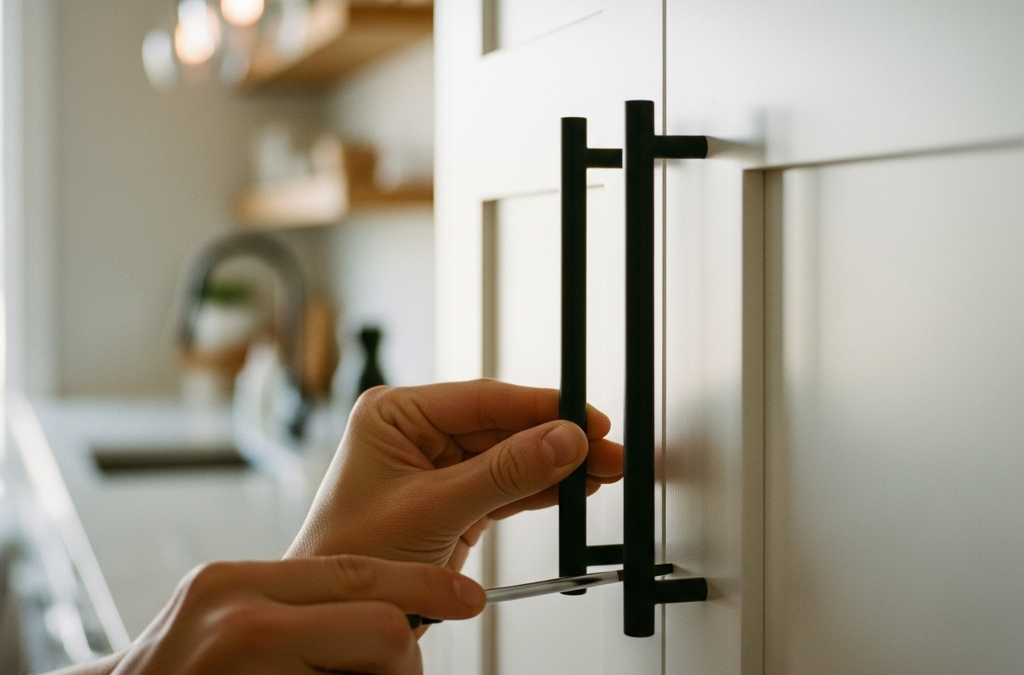
Replacing cabinet knobs and pulls is arguably the single highest-impact, lowest-effort improvement you can make in a kitchen or bathroom. Old hardware accumulates years of wear, grime, and stylistic aging that you stop noticing because you see it every day. New hardware instantly modernizes the space.
The key to a successful hardware swap is choosing pieces that complement the cabinet style and the room's overall aesthetic. Brushed brass and matte black are currently the most popular finishes, but the right choice depends on your existing fixtures and personal taste. If your cabinets have existing holes that do not match new hardware, choose pieces that are the same size or larger to avoid exposed holes. For a cohesive look, match your new hardware finish to your faucet, light fixtures, or appliance handles.
Installation requires nothing more than a screwdriver, and the entire kitchen can usually be completed in under an hour. The cost typically runs between fifty and two hundred dollars depending on the number of cabinets and the hardware quality, making this one of the best returns on investment in home improvement.
Light Fixtures: Instant Room Transformation
Lighting has an outsized impact on how a room feels, and swapping a dated fixture for a modern one is one of the fastest ways to update a space. Builder-grade flush mount ceiling lights, brass chandeliers from the 1990s, and fluorescent kitchen fixtures are all prime candidates for replacement.
For kitchens, pendant lights over an island or breakfast bar create a designer look that transforms the room's character. In bathrooms, updating the vanity light fixture to a modern sconce or multi-light bar makes an immediate visual difference, especially when paired with the right bulb temperature. Dining rooms benefit from a statement chandelier or pendant that becomes a focal point.
Most light fixture swaps are straightforward and involve connecting three wires after turning off the circuit breaker. However, if you are not comfortable working with electrical connections, or if the new fixture requires different wiring than what exists, this is a task where professional help ensures safety and a clean installation.
Beyond fixture replacement, simply changing the color temperature of your existing bulbs can shift the entire mood of a room. Warm white bulbs in the 2700K range create a cozy, inviting atmosphere in living spaces and bedrooms, while brighter daylight bulbs around 5000K work well in kitchens, bathrooms, and workspaces where clarity matters.
Fresh Paint: The Most Powerful Refresh
Nothing transforms a room more dramatically per dollar spent than a fresh coat of paint. Even if you repaint the same color, the difference between worn, scuffed walls and a fresh, uniform finish is remarkable. If you choose a new color, the transformation can make a room feel like an entirely different space.
Current trends lean toward warm neutrals, soft greens, and earthy tones that create calm, grounded atmospheres. But the best color for your room depends on the lighting, the size of the space, the furnishings, and your personal preference. Always test paint colors by applying large swatches on multiple walls and observing them at different times of day before committing.
You do not have to paint an entire room to make an impact. An accent wall in a bedroom or living room adds depth and visual interest. Painting the interior of a bookshelf or the back wall of open shelving creates a designer detail that draws the eye. Painting the front door a bold color transforms your home's first impression. Even painting tired-looking baseboards, door frames, and trim with fresh bright white makes a subtle but powerful difference.
For the best results, proper preparation is essential. Fill nail holes and small dings with spackle, sand smooth, and clean walls before painting. Use painter's tape for crisp edges, and invest in quality paint and applicators. A quality paint job is all about the prep work.
Faucet Upgrades: Small Fixture, Big Difference
Kitchen and bathroom faucets are used dozens of times daily, which makes them both highly visible and subject to significant wear. A tarnished, outdated, or dripping faucet drags down the look of the entire counter and sink area. Replacing it delivers an immediate upgrade.
Modern faucets come in a wide range of styles and finishes, from sleek minimalist designs to farmhouse-inspired bridge faucets. Touchless kitchen faucets with motion sensors add a high-tech convenience factor that also improves hygiene. Pull-down sprayer models are more functional than traditional fixed spouts for kitchen use.
Most faucet replacements are manageable for a patient homeowner with basic tools, though the under-sink contortions involved make them more uncomfortable than technically difficult. If your water supply connections are corroded or the existing faucet will not cooperate during removal, calling a professional saves frustration and prevents potential water damage.
Outlet and Switch Plate Covers: The Overlooked Detail
Here is a small change that costs almost nothing but makes a noticeable difference. Old, yellowed, or paint-splattered outlet and switch plate covers make walls look dingy even when the paint is fresh. Replacing them with clean white or decorative covers costs about a dollar per plate and takes seconds per switch.
For a more polished look, choose screwless plate covers that snap over a base plate, hiding the mounting screws for a sleaner appearance. If you have upgraded your hardware and fixtures to a specific finish like matte black or brushed nickel, matching switch plates in the same finish creates a cohesive, intentional look throughout the room.
Crown Molding and Trim: Architectural Character
Adding crown molding to a room that lacks it creates an instant sense of quality and finish. The transition between walls and ceiling looks intentionally designed rather than abruptly cut off. Lightweight polyurethane or foam crown molding is available at most home improvement stores and is significantly easier to install than traditional wood molding because it can be cut with a standard miter saw and attached with adhesive and finish nails.
Beyond crown molding, other trim additions that create high-impact character include picture rail molding in dining rooms or bedrooms, chair rail with wainscoting or board-and-batten paneling in entryways and hallways, and window trim upgrades from flat casing to more decorative profiles. These architectural details add depth and visual interest to otherwise flat, featureless walls.
Trim work requires precision in measuring, cutting, and fitting, especially at corners and joints. If you are comfortable with a miter saw and caulk gun, this can be a rewarding weekend project. Otherwise, a professional can install crown molding in an average room in a few hours with seamless results.
Backsplash Updates: Kitchen and Bathroom Character
A backsplash update transforms the visual focal point of a kitchen or bathroom. If your current backsplash is dated tile, plain painted drywall, or just not your style, replacing it makes a dramatic difference in the room's personality.
Peel-and-stick tile options have improved significantly in recent years, with realistic stone, marble, and ceramic looks that are genuinely convincing. These are ideal for renters or anyone who wants to test a look before committing to a permanent installation. For a permanent upgrade, subway tile remains a versatile classic, while herringbone patterns, geometric shapes, and textured tiles add contemporary interest.
A kitchen backsplash typically covers a relatively small area between the countertop and upper cabinets, which means even premium tile options remain affordable compared to a full room renovation. The visual payoff, however, is comparable to a much more expensive update.
Door Upgrades: Interior and Exterior Impact
Doors are one of the most overlooked opportunities for easy home improvement. Hollow-core interior doors, common in builder-grade homes, look and sound cheap. Replacing them with solid-core or paneled doors adds substance, improves sound insulation, and creates a more finished feel throughout the home. If full door replacement is beyond the budget, simply painting existing doors a fresh color or adding decorative molding to flat doors creates a significant visual upgrade.
Your front door deserves special attention. It is the first and last thing visitors see, and it establishes expectations for the rest of the home. A fresh coat of paint in a bold, welcoming color takes an afternoon and costs under fifty dollars, yet it is consistently rated as one of the top curb appeal improvements. If your front door hardware is worn or dated, replacing the lockset, handle, and kickplate with matching new pieces completes the transformation.
This approach of strategically refreshing specific elements aligns with the practical thinking behind Smart Home Maintenance Budgeting: How Much Should You Really Set Aside?, where targeted spending on high-impact items stretches your home improvement dollar the furthest.
Shelving and Storage Solutions
Cluttered, disorganized spaces feel smaller and less inviting regardless of their actual size. Adding thoughtful storage and display solutions opens up rooms and creates a more intentional, curated appearance.
Floating shelves are one of the most versatile additions. In kitchens, they display everyday dishes and cookbooks while freeing up cabinet space. In bathrooms, they provide elegant storage for towels and toiletries. In living rooms, they create gallery-style displays for art, plants, and personal items. The key to making floating shelves look polished is careful leveling during installation and thoughtful, non-cluttered styling.
Closet organization systems with adjustable shelving, double hanging rods, and dedicated shoe storage transform chaotic closets into efficient, pleasant spaces. Mudroom and entryway storage with hooks, cubbies, and a bench creates a functional transition zone that keeps the rest of the house tidier.
Ceiling Fan Updates
Builder-grade ceiling fans with brass or faux-wood finishes are common in homes built from the 1980s through the 2000s, and they often date an otherwise updated room. Modern ceiling fans come in sleek profiles with integrated LED lighting and remote controls. Some contemporary designs are striking enough to serve as a room's visual centerpiece.
If your existing ceiling fan works well but looks dated, some models allow you to replace just the blades and light kit for a refreshed appearance at a fraction of the cost of a full replacement. This is a particularly effective approach for fans in good mechanical condition that simply need a cosmetic update.
Window Treatments: Framing Your View
Window treatments influence both the style and the comfort of every room. Bare windows feel unfinished. Heavy, dated drapes feel oppressive. The right window treatments frame your view, control light, and add a layer of texture and color that completes the room's design.
For a clean, modern look, Roman shades or simple roller shades in neutral fabrics offer light control without visual heaviness. Floor-length curtains in living rooms and bedrooms add softness and elegance when hung high and wide to make windows appear larger. In kitchens and bathrooms, moisture-resistant materials like faux wood blinds provide practical function with a polished appearance.
According to the U.S. Department of Energy, well-chosen window treatments can also reduce energy costs by minimizing heat gain in summer and heat loss in winter, adding functional value to the aesthetic improvement.
Knowing When to DIY and When to Call a Professional
Many of these projects are well within reach for a motivated homeowner with basic tools. Painting, hardware replacement, switch plate upgrades, and styling changes are all straightforward. Light fixture swaps, faucet replacements, and trim work require more skill and comfort with tools but are still manageable for many DIY-oriented homeowners.
However, knowing your limits is just as valuable as knowing how to use a drill. Projects that involve electrical work beyond basic fixture swaps, plumbing modifications, structural changes, or precision carpentry often benefit from professional execution. A professional handyman can typically complete several small improvement projects in a single visit, making efficient use of both time and budget.
The best approach is often a combination. Handle the simple updates yourself and bring in a professional for the tasks that require specialized skills or tools. This hybrid approach lets you maximize your budget while ensuring quality results across all your improvements.
Frequently Asked Questions About Small Home Improvements
What small home improvements add the most value?
The small improvements that consistently add the most value include fresh interior and exterior paint, updated kitchen and bathroom hardware, modern light fixtures, new faucets, and improved landscaping. These updates are highly visible, relatively inexpensive, and appeal broadly to potential buyers. For homeowners not planning to sell, these same improvements also deliver the most daily enjoyment because they affect spaces and features you interact with constantly.
What is the cheapest way to update a kitchen without renovating?
The most affordable kitchen updates include replacing cabinet hardware with modern knobs and pulls, painting or refinishing cabinet doors, updating the faucet, adding under-cabinet lighting, installing a peel-and-stick backsplash, replacing outlet and switch plate covers, painting the walls a fresh color, and decluttering countertops. Combined, these changes can transform a kitchen for a few hundred to a few thousand dollars without any demolition or construction.
How can I make my bathroom look more expensive?
Small updates that create a high-end bathroom look include replacing the vanity light fixture, installing a frameless mirror or adding a frame to an existing mirror, upgrading the faucet, replacing the toilet seat, adding matching accessories in a cohesive finish, recaulking the tub and shower for clean lines, replacing the showerhead with a rain-style or handheld model, and adding floating shelves or built-in niches for display storage.
What paint colors make rooms look bigger?
Light, cool-toned colors make rooms appear larger by reflecting more light and receding visually. Soft whites, light grays, pale blues, and muted greens are all effective at opening up small spaces. Painting the trim and ceiling the same color as the walls eliminates visual breaks that make a room feel chopped up. Using a satin or semi-gloss finish reflects more light than flat finishes, further enhancing the sense of space.
How do I choose the right light fixture for a room?
Consider the room's function, ceiling height, and existing style. For dining rooms, hang a chandelier or pendant so the bottom is 30 to 36 inches above the table. For kitchens, task-oriented fixtures like pendants over islands and recessed lighting over work areas provide both function and style. For bedrooms, choose fixtures that create warm, ambient light. Scale matters significantly. A fixture that is too small for the room will look lost, while one that is too large will overwhelm the space.
Is it worth replacing interior doors?
Replacing hollow-core interior doors with solid-core or paneled alternatives is worth the investment for several reasons. Solid doors improve sound insulation between rooms, feel more substantial when opening and closing, and look significantly more finished. The visual difference is particularly noticeable in hallways where multiple doors are visible at once. If full replacement is not in the budget, painting existing doors and upgrading the hardware still makes a meaningful improvement.
What are the best peel-and-stick backsplash options?
Modern peel-and-stick backsplash tiles have improved dramatically in quality and appearance. The most convincing options include marble-look peel-and-stick tiles, subway tile sheets with realistic grout lines, natural stone veneer adhesive panels, and glass mosaic peel-and-stick tiles. Look for options with heat and moisture resistance rated for kitchen and bathroom use. Quality brands use thicker materials that resist curling and maintain adhesion over time.
How do I update my home on a tight budget?
Prioritize the changes that deliver the most visual impact for the least money. Start with decluttering, which costs nothing. Then move to deep cleaning, which makes everything look better. Paint is typically the next best investment, followed by hardware and fixture swaps. Rearranging existing furniture costs nothing and can make a room feel new. Shop secondhand stores and online marketplaces for light fixtures, mirrors, and accessories at a fraction of retail price.
What small improvements should I make before selling my house?
Before listing your home, focus on fresh neutral paint, clean or new carpets, updated kitchen and bathroom hardware, modern light fixtures, repaired caulk and grout, clean windows, decluttered spaces, functioning locks and doors, and manicured landscaping. These improvements address the most common buyer objections and create the clean, move-in-ready appearance that photographs well and attracts offers.
How long do small home improvement projects typically take?
Most small improvement projects take between thirty minutes and a full day. Hardware replacement takes under an hour. Light fixture swaps take one to two hours. Painting an average room takes a full day including prep and drying time. Faucet replacement takes two to four hours. Installing floating shelves takes one to two hours per set. Backsplash installation takes a half day to a full day depending on the area and method. These timeframes assume a single person working at a comfortable pace.
Can small improvements really transform a room?
Absolutely. The cumulative effect of several well-chosen small improvements often exceeds the impact of a single large renovation. When you update the hardware, lighting, paint, and accessories in a single room, the combination creates a cohesive transformation that makes the space feel completely refreshed. The key is choosing updates that create contrast with dated elements and that work together to establish a unified aesthetic rather than making random individual changes.
What are the most common DIY mistakes to avoid?
Common mistakes include skipping surface preparation before painting, choosing trendy colors or finishes without considering the room's existing elements, hanging curtains too low and too narrow, selecting light fixtures or hardware that are the wrong scale for the space, rushing through precise tasks like trim work and caulking, and taking on electrical or plumbing projects beyond your skill level. Taking time for proper preparation and knowing when to call a professional prevents the most costly errors.