
Your home should be your safe haven, but hidden dangers could be lurking in places you'd never expect. Every year, preventable accidents in the home result in thousands of injuries and significant property damage. The good news? Most of these incidents can be avoided with simple safety checks that take just minutes to complete.
Think of home safety like changing the oil in your car - regular maintenance prevents major problems down the road. These aren't complicated tasks that require special skills or expensive equipment. They're straightforward checks that any homeowner can and should be doing regularly.
The Silent Threats You Can't See or Smell
Carbon monoxide is called the "silent killer" for good reason. This colorless, odorless gas can build up in your home from faulty heating systems, blocked chimneys, or even running a car in an attached garage. Unlike other home hazards, you won't know it's there until it's potentially too late.
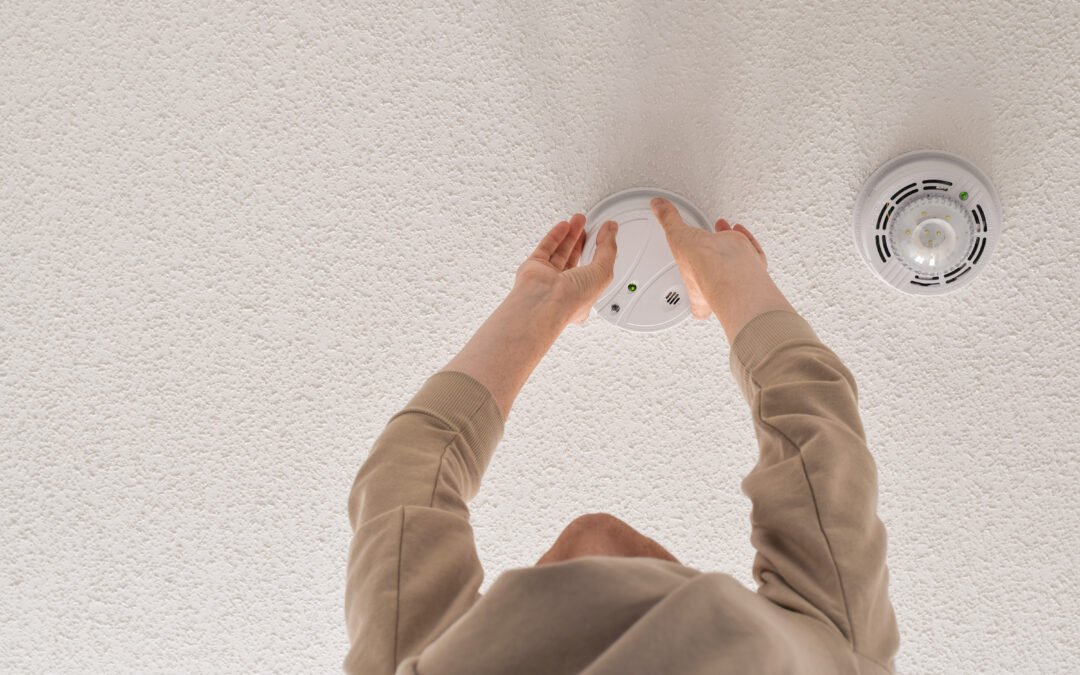
Check your carbon monoxide detectors monthly by pressing the test button. If you don't have detectors, install them on every level of your home, especially near sleeping areas. Replace the batteries annually, and consider upgrading to detectors with 10-year sealed batteries to eliminate the hassle of regular battery changes.
Your heating system deserves special attention here. Have it professionally inspected annually, keep vents and chimneys clear of debris, and never use portable generators, camp stoves, or grills inside your home or garage. These simple precautions can prevent a tragedy that strikes without warning.
Fire Safety Beyond Smoke Detectors
While most homeowners know to check smoke detector batteries, fire safety goes much deeper than that single device. Test your smoke detectors monthly, but also take a critical look at potential fire hazards throughout your home.
Your electrical system can be a major fire risk if it's overloaded or aging. Check for warm outlet covers, flickering lights, or the smell of burning plastic. Extension cords should never be daisy-chained together or run under carpets where heat can build up. If you're frequently tripping circuit breakers, that's your electrical system telling you it's overloaded.
Don't overlook your dryer vent either. Lint buildup is responsible for thousands of house fires annually. Clean the lint filter after every load, but also inspect the outside vent periodically to ensure airflow isn't restricted. If your clothes are taking longer to dry than usual, that's often a sign of dangerous lint accumulation.
Water Damage Prevention Strategies
Water damage might not seem like a safety issue, but it can quickly lead to mold growth, structural problems, and electrical hazards. The key is catching water issues before they become major problems.
Check under sinks, around toilets, and near water heaters regularly for signs of leaks. Small drips might seem harmless, but they can cause significant damage over time. Look for water stains on ceilings and walls, which often indicate hidden leaks in plumbing or roofing.
Your water heater needs attention too. Check the temperature and pressure relief valve annually - it should release a small amount of water when tested. If it doesn't work properly, pressure could build up to dangerous levels. Also, ensure there's adequate clearance around gas water heaters and that the venting system is clear.
Securing Your Home's Entry Points
Home security isn't just about preventing break-ins - it's about ensuring your family can exit safely in an emergency while keeping unwanted visitors out. Walk around your home and assess each entry point with fresh eyes.
Check that all doors and windows lock properly and that sliding doors have secondary security measures like bars or pins. But equally important is ensuring these same openings can be quickly opened from the inside during an emergency. Security bars on windows should have quick-release mechanisms that everyone in the family knows how to operate.
Your garage door deserves special attention since it's often the largest moving object in your home. Test the auto-reverse feature monthly by placing a piece of wood under the door as it closes. If it doesn't reverse immediately upon contact, the door needs adjustment. Also, ensure the manual release works smoothly in case you need to open the door during a power outage.
Electrical Safety That Goes Beyond the Obvious
Electrical problems cause thousands of house fires each year, but many electrical hazards are easy to spot and fix. Ground Fault Circuit Interrupter (GFCI) outlets in bathrooms, kitchens, and outdoor areas should be tested monthly using the test and reset buttons.
Take a walk around your home's exterior and look for damaged or loose electrical lines. Tree branches growing near power lines pose serious risks and should be trimmed by professionals. Inside, check that electrical panels are properly labeled and that circuit breakers aren't being held in the "on" position with tape or other makeshift solutions.
If your home is older, consider having an electrical inspection. Many older homes weren't designed for today's electrical demands, and outdated wiring can be a serious fire hazard.
Seasonal Safety Considerations
Different seasons bring different safety challenges. Winter means checking that heating systems are working properly and that walkways are clear of ice. Ensure space heaters have adequate clearance and automatic shut-off features if they tip over.
Summer brings different concerns. Pool safety, if applicable, should include proper fencing and gate latches. Outdoor grilling areas should be clear of flammable materials, and propane tanks should be checked for leaks using soapy water around connections.
Fall is perfect for cleaning gutters and checking roof integrity before winter weather arrives. Spring is ideal for testing outdoor electrical outlets and ensuring landscaping hasn't created new fire hazards near your home.
Creating and Practicing Emergency Plans
Having safety equipment is only half the battle - your family needs to know how to respond in an emergency. Create and practice evacuation plans for different scenarios. Everyone should know at least two ways out of each room and where to meet outside.
Keep emergency supplies in an easily accessible location. This includes flashlights with working batteries, a battery-powered radio, first aid supplies, and emergency contact information. Review and update these supplies regularly, and make sure everyone knows where they're located.
Consider installing emergency ladders for second-story bedrooms and ensure that basement exits are clear and functional. These preparations might seem excessive until you need them.
Professional Inspections That Matter
While there's plenty you can check yourself, some safety inspections require professional expertise. Annual inspections of heating systems, chimneys, and electrical panels can catch problems before they become dangerous.
If your home has a security system, ensure it's regularly tested and maintained. Many system failures happen simply because batteries die or sensors get dirty. Professional monitoring services can provide additional peace of mind, but they're only effective if the system is properly maintained.
The Psychology of Home Safety
One of the biggest obstacles to home safety is complacency. It's easy to think "it won't happen to me" or to put off safety checks because they seem like extra work. But these simple checks become habits that provide enormous peace of mind.
Start with just one area - maybe testing smoke detectors this weekend. Once that becomes routine, add another safety check to your monthly routine. Before you know it, these inspections will feel natural and take very little time.
Making Safety a Family Affair
Get everyone in your household involved in home safety. Children can learn to test smoke detectors with you, and teenagers can help with basic maintenance tasks. When everyone understands the importance of these checks, they're more likely to notice potential problems and speak up.
Teaching family members about home safety also ensures that someone else can handle these responsibilities if you're away or unable to do them yourself.
The Bottom Line
Home safety isn't about living in fear - it's about taking simple, proactive steps to protect what matters most to you. Most of these safety checks take just minutes to complete but can prevent incidents that could be devastating.
The key is making these checks routine rather than something you think about only when problems arise. Set monthly reminders on your phone, tie safety checks to other regular activities like paying bills, or designate the first weekend of each month as "home safety weekend."
Remember, you don't need to tackle everything at once. Pick a few areas that seem most relevant to your home and family situation, and start there. As these become habits, you can expand your safety routine to include additional checks.
Your family's safety is worth a few minutes of your time each month. Start today, and enjoy the peace of mind that comes from knowing you're doing everything you can to keep your loved ones safe.
Stay safe and secure!