
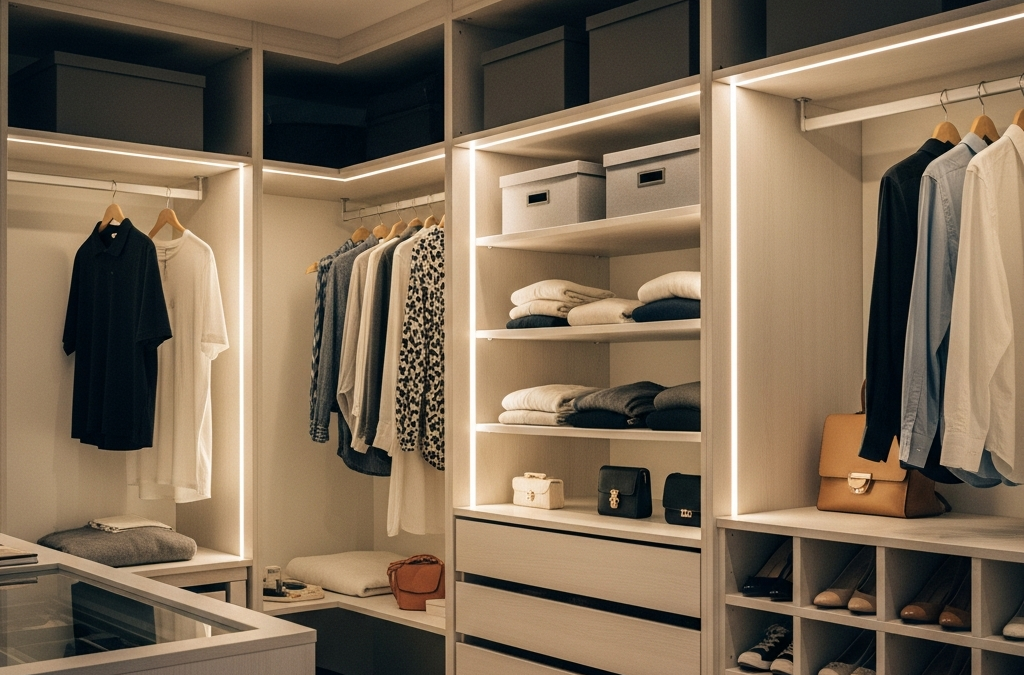
Clutter is not a character flaw. It is a storage problem. When every item in your home has a designated place that is easy to access and easy to maintain, staying organized becomes effortless rather than exhausting. The difference between a home that constantly feels messy and one that stays naturally tidy almost always comes down to whether the storage systems match how the household actually lives.
Generic shelving and off-the-rack organizers help, but they rarely solve the root problem. Custom storage solutions designed around your specific spaces, belongings, and daily routines eliminate clutter at its source. The good news is that custom does not have to mean expensive. Many of the most effective storage upgrades are straightforward installations that a skilled handyman can complete in a day, transforming chaotic rooms into calm, functional spaces that practically organize themselves.
This guide walks through the highest-impact storage solutions room by room, covering everything from built-in shelving and closet systems to garage organization, mudroom upgrades, and creative small-space strategies. Whether you are tackling one trouble spot or overhauling storage throughout your entire home, these solutions are designed to end the clutter cycle for good.
Why Most Organization Attempts Fail
Before investing in any storage solution, it helps to understand why previous attempts may not have lasted. The most common reason organization projects fail is that they fight against natural behavior rather than working with it. A beautifully organized linen closet that requires folding towels into precise thirds will not stay organized if your household tosses towels onto shelves in a hurry. A garage pegboard system looks great on installation day but falls apart if hanging tools back up requires more effort than dropping them in a bin.
The second most common failure is underestimating volume. People consistently underestimate how much stuff they own in any given category. A pantry organizer designed for what you think you have will overflow within weeks if you did not actually measure what you buy and store. Successful storage solutions start with honest assessment, both of your belongings and of your household's real habits.
The third pitfall is ignoring vertical space. Most homes have enormous untapped storage potential between shoulder height and the ceiling. Walls, the backs of doors, the space above appliances, and the upper reaches of closets represent square footage that is almost always underutilized. Custom storage solutions that capture this vertical real estate can dramatically increase capacity without taking up any additional floor space.
Closet Organization Systems: The Foundation of a Tidy Home
Closets are where organization either succeeds or unravels. A well-designed closet system makes getting dressed, finding what you need, and putting things away genuinely easy. A poorly designed closet, which includes most builder-standard single rod and shelf configurations, practically guarantees clutter.
Evaluating Your Current Closet
Start by emptying the closet completely. This is the step most people want to skip, but it is essential. With everything removed, you can see the full dimensions of the space and honestly evaluate what you own. Sort items into categories: hanging clothes that need full length, hanging clothes that need half length, folded items, shoes, accessories, and items to donate or discard.
Measure hanging items to determine how much full-length versus double-hung rod space you actually need. Most people discover they need far less full-length hanging space than they think, which frees up room for double rods that effectively double hanging capacity. Count shoes, bags, and accessories to determine the right amount of dedicated storage for each category.
Choosing the Right System
Closet organization systems range from simple wire shelving to fully custom built-in cabinetry, with several practical options in between.
Wire shelving systems are the most affordable option and work well for utility closets, linen closets, and secondary storage spaces. They allow air circulation and visibility but can leave marks on folded clothing and lack the finished appearance of solid shelving.
Laminate and melamine systems offer a clean, built-in look at a moderate price point. These systems use vertical panels with adjustable shelves, drawers, and hanging rods that can be configured to match your specific storage needs. They are available in standard sizes that fit most closets and can be cut to accommodate non-standard dimensions.
Solid wood and custom-built systems represent the premium tier, offering complete design flexibility, durable construction, and a furniture-quality appearance. These systems are designed and built to the exact dimensions of your closet and your storage requirements.
Key Features That Matter
Regardless of which system level you choose, certain features make the biggest difference in daily usability. Adjustable shelves allow you to reconfigure as your wardrobe changes. Pull-out drawers or baskets are far more functional than fixed shelves for folded items because you can see and access everything without unstacking. Dedicated shoe storage, whether angled shelves, cubbies, or pull-out racks, prevents the pile of shoes on the closet floor that derails so many organization efforts. A valet rod or pull-out hook provides a spot to plan outfits or hang dry cleaning. Built-in lighting, even simple battery-operated LED strips, makes the entire closet more functional.
Built-In Shelving: Storage That Becomes Architecture
Built-in shelving transforms dead wall space into functional, attractive storage that looks like it was always part of the home. Unlike freestanding bookcases and shelving units, built-ins are anchored to the wall structure, maximizing every inch of available space including awkward areas like alcoves, corners, and the spaces flanking fireplaces or windows.
Where Built-Ins Make the Most Impact
Living rooms and family rooms are natural candidates for built-in shelving. Floor-to-ceiling units flanking a fireplace or media center create a focal wall that provides display space, book storage, and concealed storage behind lower cabinet doors. The result is a room that looks custom-designed while solving practical storage needs.
Home offices benefit enormously from built-in shelving and cabinetry. A wall of shelves with an integrated desk creates a dedicated workspace that keeps supplies, files, and reference materials organized and accessible without cluttering the room with separate furniture pieces.
Hallways and staircase walls offer underused linear footage that is perfect for shallow built-in shelving. A hallway library or display shelf adds character to a transitional space while providing significant storage without impeding traffic flow. These installations typically project only eight to twelve inches from the wall, so they work even in narrow corridors.
Design Considerations
Proportion matters with built-ins. Shelves that are too deep waste space in the back where items get lost and forgotten. For books and display items, ten to twelve inches of depth is ideal. For media and larger items, fourteen to sixteen inches works well. Lower sections with cabinet doors conceal items that are functional but not decorative, like board games, photo albums, or office supplies.
A combination of open and closed storage always looks better and functions better than all-open or all-closed designs. Open shelves display items you want to see and access frequently. Closed cabinets hide items that create visual clutter. The ratio depends on your preference, but a common approach is open shelving on the upper two-thirds with closed cabinetry on the lower third.
Built-in shelving is one of the home improvements that reliably adds to both daily enjoyment and resale value. Buyers consistently respond positively to built-ins because they signal quality construction and thoughtful design, much like the value-driven upgrades covered in Small Home Improvements With Big Impact: Updates That Transform Your Space.
Garage Storage Solutions: Taming the Final Frontier
The garage is where organization goes to die in many homes. It starts as a place to park cars and gradually becomes a catch-all for tools, seasonal items, sports equipment, holiday decorations, and everything else that does not have a place inside the house. Reclaiming your garage starts with getting everything off the floor and onto the walls and ceiling.
Wall-Mounted Systems
Slatwall panels are one of the most versatile garage storage solutions available. These horizontal-groove panels mount directly to wall studs and accept a wide range of hooks, baskets, shelves, and specialized holders that can be rearranged as your needs change. Everything from garden tools and power cords to bicycles and ladders can be hung on slatwall systems, freeing up floor space and making items visible and accessible.
Pegboard is a more affordable wall-mounted option that works well for hand tools and smaller items. French cleat systems, which use interlocking angled strips, support heavier items like tool cabinets and large shelving units with excellent weight capacity.
Heavy-duty wall-mounted shelving rated for garage use holds storage bins, cases, and bulk items securely. Position shelves high enough that car doors can open without interference, and label bins clearly so you can find what you need without pulling everything down.
Overhead Storage
The ceiling is the most wasted space in most garages. Overhead storage platforms or ceiling-mounted racks turn the area above parked cars into valuable storage for seasonal items, holiday decorations, camping gear, and other things you access infrequently. These systems typically mount to ceiling joists and can support several hundred pounds depending on the design.
A ceiling-mounted hoist system is ideal for single heavy or bulky items like kayaks, bikes, or hardtop convertible roofs. Pulley-based hoists let you raise and lower items easily without a ladder.
Workbench and Tool Organization
If you use your garage as a workshop, a dedicated workbench with organized tool storage above and below transforms both productivity and safety. A sturdy workbench with a built-in vise, adequate lighting, and easy-access tool storage keeps projects moving efficiently. Wall-mounted tool organization immediately above the bench puts everything within arm's reach.
Mudroom and Entryway Storage: Controlling the Chaos
The entryway or mudroom is the gateway between the outside world and your home's interior. Without adequate storage in this transition zone, shoes, coats, bags, keys, and daily gear pile up and spread through the rest of the house.
Essential Mudroom Components
An effective mudroom or entryway storage system includes several key components working together. Hooks mounted at the right height for each family member provide grab-and-go coat and bag storage. Individual cubbies or lockers give each person a dedicated space for their belongings. A bench with storage underneath serves double duty as a seat for removing shoes and a concealed bin for seasonal gear. Shoe storage, whether open cubbies, a boot tray, or a pull-out rack, keeps footwear contained and off the floor. A shelf or small cabinet for keys, wallets, sunglasses, and other daily essentials creates a landing zone that prevents these items from scattering across countertops throughout the house.
Designing for Your Space
Not every home has a dedicated mudroom, but almost every home has an entryway that can be optimized. Even a narrow wall beside the front door or back door can accommodate a slim bench with hooks above and baskets below. A hall closet near the entry can be converted into a mini mudroom by removing the door, adding hooks on the side walls, a bench at the bottom, and a shelf at the top.
The most successful mudroom designs are customized to the household. Families with young children need lower hooks and cubbies that kids can reach independently. Pet owners benefit from a built-in feeding station and leash hooks. Athletes need ventilated storage for gear that needs to dry out.
Pantry Organization: Where Function Meets Daily Life
A well-organized pantry makes meal planning easier, reduces food waste, and eliminates the frustrating search for ingredients you know you bought but cannot find. Whether you have a walk-in pantry, a reach-in closet pantry, or just a few cabinet shelves dedicated to food storage, the right organization system makes a meaningful difference in how your kitchen functions.
Maximizing Pantry Space
Adjustable shelving is the foundation of good pantry organization. Fixed shelves at standard spacing waste vertical inches between every shelf that could be holding additional items. Adjustable shelf standards with clips let you position shelves at the exact heights needed for your specific inventory, squeezing more usable storage out of the same footprint.
Pull-out drawers and sliding shelf trays are game-changers for deep pantries. Items pushed to the back of a deep, fixed shelf become invisible and forgotten. A pull-out drawer brings the entire shelf contents into view and reach. These are particularly valuable for lower shelves where bending and reaching into dark corners is both difficult and annoying.
Door-mounted racks on the back of pantry doors provide additional storage for spices, small cans, condiment packets, and other lightweight items. This is one of the simplest and most effective uses of otherwise wasted space in any pantry configuration.
Organization Strategies That Last
Group items by category rather than by size or purchase date. Baking supplies together, canned goods together, snacks together, breakfast items together. This intuitive grouping makes both finding items and creating shopping lists faster and easier.
Clear, stackable containers for dry goods like flour, sugar, rice, pasta, and cereal keep items fresh longer and let you see quantities at a glance. Uniform containers also stack more efficiently than oddly shaped original packaging, reclaiming significant shelf space.
Lazy Susans in corner areas or on deep shelves bring back-of-shelf items within easy reach with a simple spin. Tiered shelf risers let you see items in the back row without moving items in the front. These inexpensive additions solve two of the most common pantry frustrations.
Creative Storage Solutions for Small Spaces
Small homes, apartments, and compact rooms require creative thinking to maximize every available inch. The most effective small-space storage solutions use unconventional locations and multi-functional furniture to create capacity that does not exist with traditional approaches.
Vertical and Overhead Opportunities
Floor-to-ceiling shelving in any room instantly multiplies storage capacity. A bookcase that reaches the ceiling stores nearly twice as much as a standard five-foot unit in the same floor footprint. Wall-mounted floating shelves above doorways, windows, and in corner spaces capture storage real estate that would otherwise sit empty.
The space above the toilet in a bathroom is prime territory for shelving or a cabinet. Above the washer and dryer is perfect for a shelf or cabinet holding detergent, supplies, and cleaning products. The tops of kitchen cabinets, if there is space between the cabinets and the ceiling, can store attractive baskets holding seasonal items or rarely used serving pieces.
Furniture That Works Harder
Storage ottomans, beds with built-in drawers, benches with lift-up seats, and coffee tables with interior compartments provide hidden storage without requiring any additional floor space. A window seat with storage underneath combines seating, charm, and concealed capacity in one footprint.
Fold-down desks and murphy beds create rooms that serve dual purposes. A guest room that functions as a home office 350 days a year with a fold-down bed for visitors is far more practical than a dedicated guest room that sits empty most of the time.
Behind-the-Door Storage
The back of virtually every door in your home is unused storage space. Over-the-door organizers work in bedrooms for accessories and shoes, in bathrooms for toiletries and styling tools, in pantries for spices and small items, in utility closets for cleaning supplies, and in kids' rooms for stuffed animals and small toys.
According to the National Association of Home Builders, storage and organization consistently rank among the most desired home features for both new construction and renovation projects, reflecting how strongly functional storage impacts daily quality of life.
Planning Your Storage Project
Successful storage projects start with assessment and planning rather than impulse purchases at the home improvement store.
Begin by identifying your worst trouble spots. Which areas of your home generate the most frustration? Where does clutter accumulate fastest? Where do you waste time looking for things? These pain points should drive your project priorities.
Next, inventory what needs to be stored in each problem area. Measure the items. Count them. Be honest about what you actually own versus what you think you own. This inventory directly informs the storage solution design and prevents the common mistake of building storage that is too small from day one.
Consider your household's habits and routines. Storage that requires effort to maintain will not be maintained. The best solutions make the organized option the easiest option. Hooks are easier than hangers. Open bins are easier than lidded containers. Labels help everyone in the household put things back in the right place.
Finally, think about future needs. Will your storage requirements grow? Could they change? Adjustable and modular systems accommodate change without requiring replacement, making them a smarter long-term investment than fixed, single-purpose solutions.
When to DIY and When to Hire a Professional
Simple organization products like bins, baskets, over-the-door organizers, and freestanding shelving are straightforward to install yourself. Closet organization kits from home improvement stores are designed for DIY installation with basic tools.
However, built-in shelving, custom closet systems, wall-mounted garage organization, overhead ceiling storage, and mudroom cabinetry all benefit from professional installation. These projects require precise measurement, secure anchoring to wall studs or ceiling joists, level installation, and often custom cutting to fit non-standard spaces. A professional handyman ensures that everything is solidly mounted, properly aligned, and built to handle the weight of your stored items without sagging or pulling away from the wall over time.
The investment in professional installation pays for itself in durability and function. A crooked shelf or a closet rod that pulls out of the wall under load is not just frustrating. It damages the wall and the stored items and requires doing the work twice.
Frequently Asked Questions About Home Organization and Custom Storage
What is the best closet organization system for the money?
Laminate and melamine closet systems offer the best balance of appearance, functionality, and cost for most homeowners. These systems provide a clean, built-in look with adjustable shelves, drawers, and hanging configurations at a fraction of the cost of solid wood custom builds. Look for systems with adjustable shelf heights and modular components that let you reconfigure as your needs change over time.
How much does a custom closet system cost?
Custom closet system costs vary significantly based on size, materials, and features. A basic wire shelving upgrade for a standard reach-in closet typically costs one hundred to three hundred dollars for materials. Laminate systems for a walk-in closet range from five hundred to two thousand dollars installed. Premium solid wood custom systems with specialized features like built-in lighting, jewelry drawers, and glass-front display sections can run three thousand to eight thousand dollars or more for a large walk-in closet.
What is the best way to organize a garage?
The most effective garage organization strategy prioritizes getting items off the floor using a combination of wall-mounted systems and overhead storage. Start by sorting everything into categories: keep, donate, and discard. Install slatwall panels or heavy-duty wall shelving for frequently used tools and supplies. Add overhead ceiling-mounted storage for seasonal and infrequently accessed items. Create zones within the garage for specific categories like lawn care, sports equipment, tools, and seasonal storage.
How do I organize a pantry with deep shelves?
Deep pantry shelves are best organized with pull-out drawers or sliding shelf trays that bring back-of-shelf items into full view. If pull-out installation is not feasible, use tiered shelf risers so items in the back row are visible above items in the front. Lazy Susans work well on deep shelves for grouping related items that can be spun to the front. Store less frequently used items toward the back and everyday essentials toward the front.
What are the most important features of a mudroom?
The most functional mudrooms include hooks at appropriate heights for each family member, individual cubbies or lockers for personal items, a bench for sitting while putting on and removing shoes, dedicated shoe storage to keep footwear contained, and a landing zone for keys, wallets, and daily essentials. The system should be customized to the household, with features like lower hooks for children, pet supply storage, and ventilated sections for sports gear as needed.
How can I add storage to a small bedroom?
Maximize small bedroom storage by utilizing vertical space with floor-to-ceiling shelving or tall dressers. Choose a bed frame with built-in drawers or add under-bed storage containers. Install floating shelves above the headboard or beside the bed for books and personal items. Use the back of the bedroom door for an over-the-door organizer. Replace a standard closet rod-and-shelf with a multi-level organization system that doubles hanging and folded storage capacity. A wall-mounted fold-down desk saves floor space while providing workspace when needed.
Are built-in shelves worth the investment?
Built-in shelving is one of the most consistently worthwhile home improvements for both daily livability and resale value. Built-ins maximize space utilization, provide a custom, architectural look, and eliminate the need for freestanding furniture that takes up floor space and often does not fit the room proportions. Buyers consistently respond positively to built-in storage, viewing it as a sign of quality and thoughtful design. The investment typically returns value through both daily function and increased home appeal.
How do I organize a hall closet effectively?
Transform a hall closet by first removing everything and sorting items by category. Install adjustable shelving to customize shelf heights for your specific items. Use shelf dividers to keep stacks of linens or towels from toppling. Add hooks on the inside of the door and on side walls for bags, scarves, and frequently grabbed items. Use labeled bins or baskets on upper shelves for categories like first aid, light bulbs, batteries, and cleaning supplies. Reserve the most accessible shelf heights for items used daily and place seasonal or rarely needed items on the highest shelves.
What garage storage system holds the most weight?
For maximum weight capacity, French cleat wall systems and heavy-duty steel wall-mounted shelving are the strongest options. French cleat systems distribute weight across multiple wall studs and can support several hundred pounds per section depending on installation. Steel garage shelving units rated for industrial use can hold five hundred to two thousand pounds per shelf. Overhead ceiling-mounted storage platforms typically support two hundred to six hundred pounds when properly anchored into ceiling joists. Always verify weight ratings before loading any storage system and ensure installation into structural framing, never into drywall alone.
How do I prevent closets from becoming cluttered again?
Maintaining closet organization requires three habits. First, follow the one-in-one-out rule: when something new enters the closet, something old leaves. Second, schedule a brief seasonal review where you remove items that no longer fit, are damaged, or have not been used since the last review. Third, ensure the system makes the organized option the easiest option. If putting something away properly requires more effort than tossing it on the floor, the system needs adjustment. Storage that matches real behavior stays organized.
What is the most overlooked storage space in a home?
The most consistently overlooked storage opportunities include the space above doors and windows where shallow shelving can hold books or display items, the backs of interior doors, the area above the washer and dryer, the vertical wall space in stairwells, the space under staircases, the upper twelve to eighteen inches of most closets where an additional shelf could fit, and the unused portion of deep lower kitchen cabinets where pull-out organizers could recover lost space. Collectively, these overlooked areas represent dozens of square feet of potential storage in an average home.
Should I declutter before or after installing new storage?
Always declutter before installing new storage. Designing storage around items you plan to keep ensures the solution is properly sized and configured. If you install storage first and then try to declutter, you are more likely to keep items simply because there is now space for them. A thorough declutter also frequently reveals that you need less storage than you initially assumed, potentially saving money on the installation. Aim to reduce your belongings by at least twenty to thirty percent before finalizing any custom storage design.