
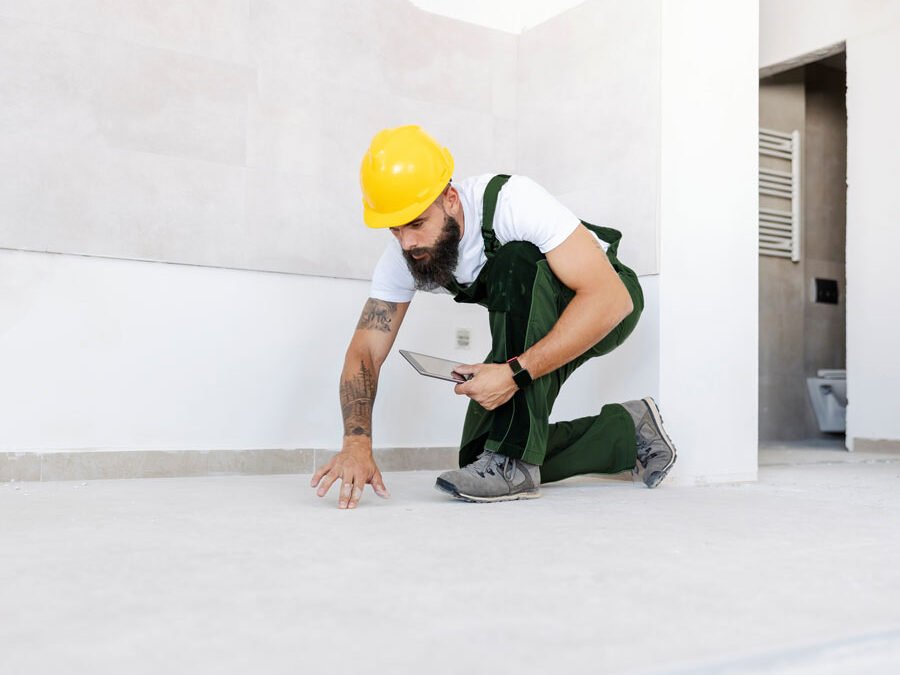
Bathrooms are unlike any other space in the home. With constant humidity, frequent water exposure, and the potential for slippery surfaces, they demand flooring that can handle the unique environment. Choosing bathroom-specific flooring is essential for safety, durability, and style. Let’s break down why bathroom-specific flooring matters and the best types to consider.
1. Moisture Resistance
Bathrooms see a lot of water, from steamy showers to the occasional splash from the sink or tub. Bathroom-specific flooring, like vinyl, porcelain tile, or waterproof laminate, is designed to resist moisture, preventing warping, mold, or mildew that can develop with traditional flooring.
2. Slip Resistance
Safety is always a priority in a bathroom, and the right flooring helps reduce slip risks. Many bathrooms come with a textured surface or slip-resistant coating to give feet more traction, especially when wet.
3. Durability in High-Traffic Areas
A bathroom needs to stand up to heavy foot traffic and frequent cleaning. Porcelain or ceramic tiles, luxury vinyl, and even treated concrete are incredibly durable, making them excellent choices for bathrooms that stay beautiful without compromising on durability.
4. Easy Maintenance and Cleaning
Bathroom flooring materials like ceramic, porcelain, or sealed vinyl are designed for easy cleaning, a huge plus in a room that demands frequent care. These materials resist stains and won’t trap moisture, odors, or bacteria, so they stay fresh and looking new longer.
5. Adds Value to Your Home
A well-designed, moisture-resistant bathroom floor can also add value to your home. Bathrooms are high on the list of priorities for buyers, and a space with updated, quality flooring gives peace of mind and adds to the overall appeal of your home.
Top Flooring Options for Bathrooms
- Porcelain & Ceramic Tiles: Known for water resistance, durability, and design variety.
- Vinyl Flooring: Affordable, waterproof, and available in various designs and finishes.
- Stone Flooring: Provides a natural, luxury look, but needs sealing to prevent moisture absorption.
- Concrete Flooring: With waterproof treatment, concrete can be a modern, low-maintenance option.
The right bathroom flooring combines function, safety, and style. Investing in the right material will give you peace of mind and a space that stands up to daily wear and tear while looking beautiful for years to come.
FREQUENTLY ASKED QUESTIONS ABOUT BATHROOM FLOORING
What is the best flooring for a bathroom?
Porcelain tile is widely considered the best overall bathroom flooring because it combines water resistance, durability, slip resistance, and design versatility in a single material. Porcelain absorbs less than 0.5% moisture, resists stains, handles heavy foot traffic, and is available in styles that mimic natural stone, wood, and concrete. Ceramic tile is a close second at a lower price point, though it absorbs slightly more moisture. Luxury vinyl plank (LVP) is the best budget-friendly option — it's 100% waterproof, comfortable underfoot, easy to install, and available in realistic wood and stone patterns. Natural stone offers a high-end luxury look but requires periodic sealing to prevent moisture absorption. The best choice depends on your budget, design preferences, and willingness to maintain the material.
Why does bathroom flooring need to be different from other rooms?
Bathrooms present a unique combination of challenges that standard flooring materials can't handle. Constant humidity from showers and baths, direct water exposure from splashes and spills, temperature fluctuations between hot showers and cool air, and the safety risk of wet, slippery surfaces all demand specialized flooring. Materials like hardwood or standard laminate that perform well in living areas will warp, swell, or develop mold in bathroom conditions. Bathroom-specific flooring is engineered for moisture resistance to prevent warping and mold growth, slip resistance with textured surfaces or coatings for wet-foot safety, durability to withstand heavy daily use and frequent cleaning, and easy maintenance that resists stains and doesn't trap bacteria or odors.
Is luxury vinyl plank (LVP) a good choice for bathroom flooring?
Luxury vinyl plank is an excellent bathroom flooring choice and has become one of the most popular options for bathroom renovations. LVP is 100% waterproof (not just water-resistant), making it ideal for the high-moisture bathroom environment. It's warmer and more comfortable underfoot than tile, which matters on cold mornings. Modern LVP realistically mimics the look of hardwood or natural stone at a fraction of the cost. It's softer than tile, which means fewer breakages if you drop something, and it's easier on joints for standing. Installation is typically faster and less expensive than tile. The main trade-off is that LVP doesn't add as much resale value as quality tile and has a shorter lifespan (15–25 years versus 50+ years for porcelain tile).
Can you put hardwood flooring in a bathroom?
Traditional hardwood is not recommended for bathrooms because wood absorbs moisture, which causes warping, swelling, cupping, and eventually rot and mold growth in the consistently humid bathroom environment. Even with sealant, the joints between boards allow water to seep underneath over time, causing damage to both the flooring and the subfloor. If you want the look of wood in your bathroom, better alternatives include luxury vinyl plank (100% waterproof with realistic wood grain patterns), porcelain tile designed to look like wood (waterproof and extremely durable), or engineered hardwood with a waterproof core (more moisture-resistant than solid hardwood, though still not ideal for bathrooms with showers or tubs). These alternatives deliver the wood aesthetic without the moisture damage risk.
What bathroom flooring is safest for preventing slips?
The safest bathroom flooring options feature textured surfaces or built-in slip resistance. Smaller mosaic tiles (2 inches or less) are among the safest because the extensive grout lines between tiles create natural traction. Textured porcelain or ceramic tiles with slip-resistant ratings (look for a coefficient of friction of 0.60 or higher) provide excellent wet-foot grip. Luxury vinyl plank with textured surfaces offers good traction and a softer landing if falls do occur. Matte-finish tiles provide better slip resistance than polished or glossy finishes. For households with elderly family members or young children, prioritize slip resistance above aesthetics — a fall on a wet bathroom floor can cause serious injury. Adding bath mats in front of the tub, shower exit, and vanity provides an additional safety layer.
How much does it cost to install bathroom flooring?
Bathroom flooring installation costs vary by material and bathroom size. For a typical 40–70 square foot bathroom, expect these ranges: ceramic tile runs $800–$2,500 installed, porcelain tile runs $1,000–$3,500 installed, luxury vinyl plank runs $600–$2,000 installed, natural stone runs $2,000–$5,000+ installed, and waterproof laminate runs $500–$1,500 installed. These estimates include materials, labor, basic demolition of existing flooring, and standard installation. Costs increase if subfloor repair is needed, if the layout requires extensive cuts around fixtures, or if you choose premium materials. Heated floor systems add $500–$1,500 to any bathroom floor project but provide significant comfort, especially with tile flooring in colder climates.
How long does bathroom flooring last?
Bathroom flooring lifespan depends on the material and how well it's maintained. Porcelain tile lasts 50–100+ years and is the most durable option. Ceramic tile lasts 40–75 years with proper maintenance. Natural stone lasts 50–100+ years but requires periodic sealing every 1–3 years to maintain moisture resistance. Luxury vinyl plank lasts 15–25 years depending on quality and traffic. Waterproof laminate lasts 10–20 years. Concrete with waterproof treatment lasts 25–50+ years. The longevity of any bathroom flooring depends heavily on proper installation (especially waterproofing the subfloor and sealing joints), consistent maintenance, and promptly addressing any water damage or grout deterioration. Quality installation by an experienced professional is the single biggest factor in maximizing your bathroom flooring's lifespan.
Does new bathroom flooring add value to a home?
Yes — updated bathroom flooring is one of the most impactful improvements for home value because bathrooms rank among the top priorities for home buyers. Outdated, damaged, or worn bathroom flooring signals deferred maintenance and lowers perceived home value. A well-designed, moisture-resistant bathroom floor with quality materials provides buyers peace of mind and adds to the overall appeal. Porcelain and ceramic tile deliver the highest perceived value and are expected by buyers in mid-range to upper-range homes. Luxury vinyl plank is increasingly accepted and offers excellent value at lower price points. The key is choosing materials that look current, are properly installed with no visible flaws, and coordinate with the bathroom's overall design. A bathroom flooring upgrade typically returns 60–70% of its cost at resale.