


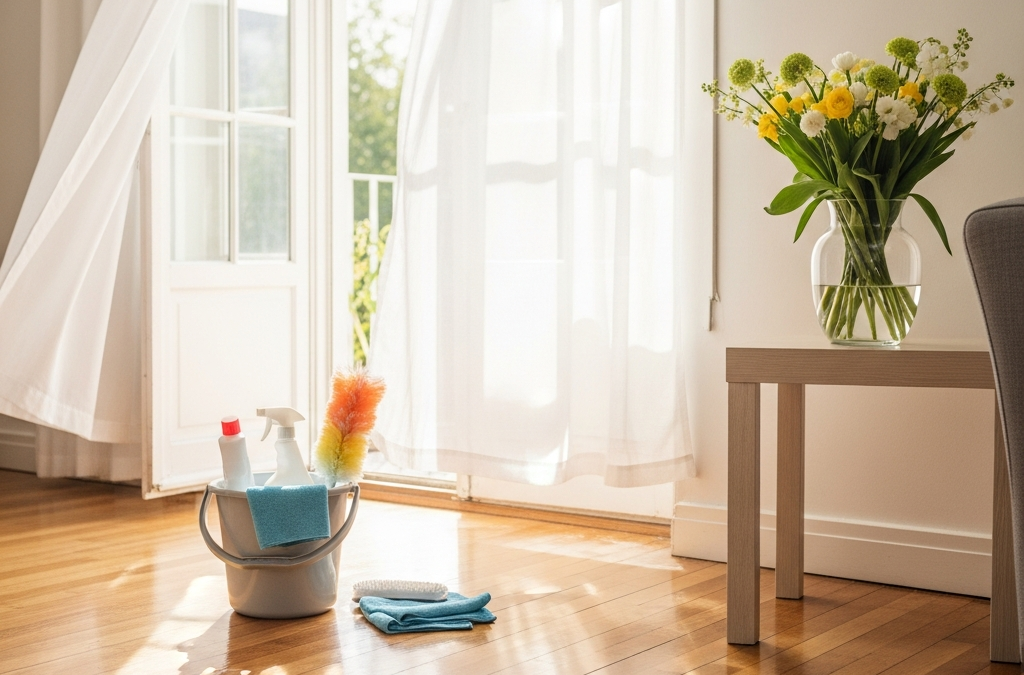
Spring has a way of revealing everything winter tried to hide. The moment you open the windows and let sunlight pour in, you notice the dusty corners, the scuffed walls, the little maintenance tasks that slipped through the cracks over the colder months. But here is the good news. A thorough spring home refresh does not require a massive renovation or a contractor on speed dial. Most of the highest-impact improvements are quick wins that take an afternoon or less per room.
This room-by-room checklist gives you a practical, actionable plan for refreshing your entire home this spring. Each section includes both cleaning tasks and small improvement projects that make your space look and feel renewed without breaking the bank. Work through it all at once during a productive weekend or tackle one room per week throughout the season. Either way, you will end up with a home that feels lighter, cleaner, and ready for the warmer months ahead.
Before You Start: Gather Your Supplies
Having everything on hand before you begin prevents frustrating trips to the store mid-project. A well-stocked spring refresh kit includes all-purpose cleaner, glass cleaner, wood polish, microfiber cloths, a vacuum with attachments, a step ladder, fresh HVAC filters, new batteries for smoke detectors, touch-up paint in your wall colors, caulk and a caulk gun, weatherstripping tape, light bulbs to replace any that have burned out, and a few boxes or bags for items you plan to donate or discard.
If you have been putting off any maintenance tasks from winter, this is the time to bundle them together. Pairing your refresh with a seasonal maintenance review keeps everything on track, following the kind of proactive approach detailed in Seasonal Home Maintenance Checklist: What to Do Each Quarter.
Kitchen: The Heart of the Home
The kitchen gets more daily use than almost any other room, which means it accumulates grime and wear faster. Start your spring refresh here for an immediate morale boost.
Deep Clean Appliances
Pull the refrigerator away from the wall and vacuum the condenser coils. This simple task improves efficiency and extends the life of the appliance. Clean the interior shelves and drawers with warm soapy water, check expiration dates, and toss anything past its prime. Run an empty dishwasher cycle with a cup of white vinegar on the top rack to remove mineral buildup and odors. Wipe down the exterior of all appliances including the often-neglected sides and tops.
Refresh Cabinets and Hardware
Wipe down all cabinet doors and drawer fronts with a degreasing cleaner. Kitchen cabinets collect a film of cooking grease and dust that dulls their appearance over time. Tighten any loose hinges or handles while you are at it. If your cabinet hardware looks dated, swapping out knobs and pulls is one of the fastest and most affordable kitchen updates available. New hardware can make existing cabinets look surprisingly modern.
Inspect Under the Sink
Check for any signs of leaks, moisture, or mold under the kitchen sink. Organize cleaning supplies, discard anything you no longer use, and lay down a fresh shelf liner. A small drip that goes unnoticed can cause significant water damage over time, so this quick inspection is worth the two minutes it takes.
Countertops and Backsplash
Depending on your countertop material, this is a good time to reseal natural stone surfaces. Scrub grout lines on tile backsplashes with a baking soda paste and old toothbrush to brighten dingy grout. Declutter countertops by storing rarely used small appliances in cabinets or a pantry to create a cleaner workspace.
Bathrooms: Clean, Bright, and Functional
Bathrooms benefit enormously from a thorough spring refresh because the combination of moisture, heat, and daily use creates buildup that regular cleaning misses.
Tackle Grout and Caulk
Inspect the caulk around your tub, shower, and sink. Cracked, peeling, or discolored caulk is not just unsightly. It allows water to seep behind surfaces where it causes mold growth and structural damage. Removing old caulk and applying a fresh bead is a straightforward project that makes a big visual difference and prevents costly water damage.
Deep Clean Fixtures and Surfaces
Remove mineral deposits from showerheads by soaking them in white vinegar overnight. Scrub tile and grout with an appropriate cleaner. Clean exhaust fan covers, which trap dust and reduce ventilation efficiency. Polish mirrors and glass shower doors for a sparkling finish.
Update Accessories
New towels, a fresh shower curtain, a matching soap dispenser, and a clean bath mat can transform the feel of a bathroom without any renovation work. Choose a cohesive color palette for an instant upgrade. Replace any worn or stained toilet seats, which is an inexpensive swap that takes about fifteen minutes.
Check for Hidden Moisture Issues
Feel the floor around the base of the toilet for any softness or sponginess, which can indicate a wax ring leak. Look for water stains on the ceiling below second-floor bathrooms. Check under the vanity for any signs of dripping. Catching moisture problems early prevents the kind of expensive repairs that come from water damage left unchecked.
Living Room and Family Room: Comfort and Style
These high-traffic gathering spaces deserve attention that goes beyond a quick vacuum.
Furniture and Upholstery
Move furniture away from walls to vacuum behind and underneath. Flip and rotate couch cushions for even wear. Spot-clean upholstery stains and consider renting a steam cleaner for fabric sofas and chairs. Vacuum upholstered furniture using the brush attachment to remove embedded dust, pet hair, and allergens.
Windows and Window Treatments
Clean windows inside and out for maximum spring sunlight. Dust or vacuum blinds, and launder curtains or drapes according to their care instructions. Many people skip this step, but clean window treatments make a noticeable difference in how bright and fresh a room feels. Check window hardware for smooth operation and lubricate tracks if windows are sticking.
Walls and Baseboards
Walk through with a damp magic eraser and remove scuffs, fingerprints, and marks from walls. Wipe down baseboards, which collect a surprising amount of dust. Touch up any chipped or scratched paint with the original color. If you do not have leftover paint, take a small chip to a paint store for color matching.
Lighting Update
Replace any burned-out bulbs and consider switching to warmer or cooler tones depending on the room's purpose. Dust light fixtures, ceiling fans, and lampshades. Clean or replace yellowed switch plates and outlet covers for a subtle but noticeable freshness.
Bedrooms: Your Personal Retreat
A refreshed bedroom sets the tone for better sleep and a more relaxing start and end to each day.
Mattress Maintenance
Strip the bed completely and vacuum the mattress surface to remove dust mites and allergens. Sprinkle baking soda over the mattress, let it sit for thirty minutes, then vacuum it up. Rotate the mattress 180 degrees if it is not a pillow-top design. Check your pillows and replace any that have lost their support, which most experts recommend doing every one to two years.
Closet Purge and Organization
Spring is the natural time to transition your wardrobe. Pack away heavy winter clothing and bring out lighter options. As you handle each item, decide whether it still fits, is still in good condition, and whether you have worn it in the past year. Donate or discard anything that does not meet all three criteria. Wipe down closet shelves, vacuum the floor, and consider adding shelf dividers, bins, or a shoe rack to improve organization.
Freshen Soft Furnishings
Launder all bedding including mattress pads, pillow protectors, and duvet covers. Wash or dry-clean decorative throw pillows and blankets. If your bedroom curtains have been closed all winter, launder or steam them before reopening for spring.
Laundry Room and Utility Spaces
These workhouse rooms are often overlooked during spring cleaning but benefit greatly from attention.
Dryer Maintenance
Clean the lint trap housing by removing the screen and using a vacuum attachment to reach down into the slot. If possible, disconnect the dryer vent hose and clean out accumulated lint. Clogged dryer vents are a leading cause of house fires and reduced dryer efficiency. This is one task where professional help is worthwhile if you cannot easily access the full vent run.
Washing Machine Refresh
Run an empty hot water cycle with two cups of white vinegar or a washing machine cleaner tablet to remove buildup and odors. Wipe down the door gasket on front-load washers, where mold commonly grows. Leave the door open between loads to allow air circulation and prevent musty smells.
Water Heater Check
Inspect around the base of your water heater for any signs of leaking or corrosion. Check the temperature setting, which should be at 120 degrees Fahrenheit for efficiency and safety. If your water heater is more than ten years old, this is a good time to start budgeting for replacement before it fails unexpectedly.
Hallways, Entryways, and Mudrooms
First impressions matter, and these transitional spaces set the tone for your entire home.
Declutter Entry Points
Remove winter gear that has accumulated by the door. Clean and store boots, scarves, and heavy coats. Set up a spring-appropriate landing zone with hooks for lighter jackets, a tray for keys, and storage for shoes. A clutter-free entryway makes the whole home feel more organized.
Front Door Refresh
Clean your front door inside and out. Tighten hardware, oil hinges, and check the weatherstripping for gaps. A fresh coat of paint on the front door is one of the highest-impact, lowest-cost curb appeal improvements you can make.
Flooring Attention
Hallways and entryways take the most foot traffic abuse. Deep clean hard floors, paying special attention to grout lines in tiled entries. Have high-traffic carpeted areas professionally cleaned or rent a carpet cleaner. Replace worn entry mats that have been trapping winter mud and salt.
Home Systems and Safety Checks
While you are in refresh mode, take time for these important maintenance and safety tasks that protect your home and family.
HVAC Preparation
Replace your HVAC filter, which should ideally be done every one to three months depending on the filter type and household factors like pets. Schedule a professional tune-up for your air conditioning system before summer demand hits and appointment availability drops. Clean supply and return vents throughout the house by removing covers and washing them in warm soapy water.
Smoke and Carbon Monoxide Detectors
Replace batteries in all smoke and carbon monoxide detectors, even if they seem to still be working. Test each detector using the test button. Replace any units that are more than ten years old for smoke detectors or more than seven years old for carbon monoxide detectors.
Exterior Walkthrough
Do a perimeter check of your home's exterior. Look for damaged siding, peeling paint, gaps in caulking around windows and doors, and any signs of foundation cracks or settling. Check gutters and downspouts for blockages and ensure they are directing water away from your foundation. Inspect the roof from ground level for missing or damaged shingles.
According to the U.S. Department of Energy, spring maintenance including sealing air leaks, servicing cooling equipment, and improving ventilation can reduce your energy bills significantly heading into the warmer months.
Outdoor Living Spaces
Extend your refresh to patios, porches, decks, and outdoor areas that have been dormant all winter.
Deck and Patio Cleaning
Sweep away debris and use a pressure washer or deck cleaner to remove winter grime, mold, and mildew. Inspect deck boards for signs of rot, popping nails, or splintering. Check railing stability by giving handrails a firm shake. Sand and seal or stain the deck if the finish is wearing thin.
Outdoor Furniture Revival
Clean outdoor furniture thoroughly before putting it back into service. Tighten any loose bolts on chairs and tables. Replace worn cushion covers or invest in new outdoor cushions for a fresh seasonal look. Check umbrellas and shade structures for damage.
Garden Prep and Landscaping
Clear dead plant material from flower beds. Edge along walkways and garden borders. Refresh mulch in planting beds, which improves appearance while retaining moisture and suppressing weeds. Prune shrubs and ornamental trees, and assess your irrigation system for leaks or damaged sprinkler heads.
Creating Your Personal Action Plan
The most effective way to use this checklist is to customize it for your home and your schedule. Walk through each room with a notepad and mark the items that apply to your situation. Then organize them by priority and time required.
Quick wins that take under thirty minutes per task should go first because the visible progress motivates you to keep going. Save larger projects like closet organization or deck staining for dedicated blocks of time. Spread the work across several weekends if tackling everything at once feels overwhelming.
The goal is not perfection. The goal is a home that feels cleaner, more comfortable, and better maintained heading into the season when you want to enjoy it most.
Frequently Asked Questions About Spring Home Refresh
What is the best order to deep clean a house in spring?
Work from top to bottom and from back to front. Start with upper floors and work downward so dust and debris fall to areas you have not cleaned yet. Within each room, clean ceilings, fans, and light fixtures first, then walls and windows, then furniture and surfaces, and finish with floors. Save entryways and high-traffic hallways for last since you will be walking through them throughout the cleaning process.
How long does a thorough spring home refresh take?
A complete room-by-room spring refresh typically takes a full weekend for an average-sized home if you include both deep cleaning and minor improvement projects. Breaking it into individual rooms, most kitchens and bathrooms take two to four hours each, bedrooms one to two hours, and living spaces two to three hours. Spreading the work across several weekends by tackling one or two rooms per session is a manageable approach for most households.
What spring cleaning tasks should I not skip?
The most important tasks that homeowners commonly skip include cleaning dryer vents, which is a fire safety issue, replacing HVAC filters, testing smoke and carbon monoxide detectors, inspecting caulk and grout in bathrooms, cleaning refrigerator coils, and checking the home exterior for winter damage. These maintenance-oriented tasks prevent costly problems and safety hazards even though they are less visually satisfying than cleaning projects.
How often should I replace my HVAC filter?
Standard one-inch filters should be replaced every 30 to 90 days depending on factors like pets, allergies, and household size. Thicker four-inch or five-inch media filters can last three to six months. Homes with pets or allergy sufferers should change filters more frequently. A dirty filter forces your system to work harder, increasing energy costs and reducing indoor air quality.
What is the best way to clean windows without streaks?
Clean windows on a cloudy day or when the glass is in shade, as direct sunlight causes cleaning solution to dry too quickly and leave streaks. Use a solution of equal parts white vinegar and water, or a commercial glass cleaner. Wipe with a microfiber cloth or lint-free paper towels using vertical strokes on one side and horizontal strokes on the other, so you can identify which side has any remaining streaks.
How do I get rid of musty smells in my house after winter?
Musty odors typically come from stale air, moisture buildup, or mold growth. Start by opening windows throughout the house for cross-ventilation. Clean HVAC vents and replace filters. Check for moisture issues in bathrooms, basements, and around windows. Run dehumidifiers in damp areas. Launder all soft furnishings including curtains, throw pillows, and bedding. Clean carpet and upholstery, which trap odors over time. If musty smells persist in specific areas, investigate for hidden mold or water damage.
What exterior maintenance should I do in spring?
Spring exterior maintenance should include inspecting the roof for damaged shingles, cleaning and inspecting gutters and downspouts, checking the foundation for cracks, inspecting siding for damage, recaulking gaps around windows and doors, cleaning the deck or patio, testing outdoor lighting, servicing the lawn mower and garden equipment, inspecting the irrigation system, and trimming trees and shrubs away from the house.
How can I refresh my bathroom on a budget?
Budget-friendly bathroom refreshes include replacing caulk around the tub and shower, installing a new showerhead, updating cabinet hardware, replacing the toilet seat, hanging a new mirror or frame the existing one, adding coordinating accessories like towel bars and soap dispensers, painting the vanity or walls, and replacing outdated light fixtures. These changes can transform a bathroom for under a few hundred dollars.
Should I hire a professional for spring home maintenance?
Certain spring maintenance tasks are best handled by professionals. HVAC tune-ups, dryer vent cleaning when the run is long or inaccessible, roof inspections, chimney cleaning, and pressure washing are all tasks where professional equipment and expertise produce better and safer results. Many handyman services offer spring maintenance packages that bundle multiple tasks into a single visit, saving both time and money.
What is the best way to organize a spring cleaning schedule?
Create a room-by-room checklist customized to your home. Prioritize tasks by importance, putting safety items like detector testing and dryer vent cleaning at the top. Estimate time for each task and block realistic windows on your calendar. Tackle one or two rooms per weekend session rather than attempting the entire house in a single day. Keep your cleaning supplies in a portable caddy so you can move efficiently between rooms.
How do I remove hard water stains from bathroom fixtures?
White vinegar is effective for most hard water deposits. For showerheads, remove and soak in undiluted white vinegar for several hours or overnight. For faucets, soak a cloth in vinegar and wrap it around the fixture. For glass shower doors, spray with vinegar, let it sit for fifteen minutes, then scrub with a non-abrasive pad. For stubborn mineral buildup, a paste of baking soda and vinegar or a commercial lime and calcium remover may be needed.
What are the most impactful quick wins for refreshing a room?
The fastest high-impact changes include cleaning windows to maximize natural light, replacing burned-out bulbs with the right color temperature, decluttering surfaces and removing items that do not belong, adding a fresh plant or flowers, washing or replacing throw pillows and blankets, wiping down baseboards and door frames, and touching up scuffed paint. These changes take minimal time but noticeably transform how a room looks and feels.