
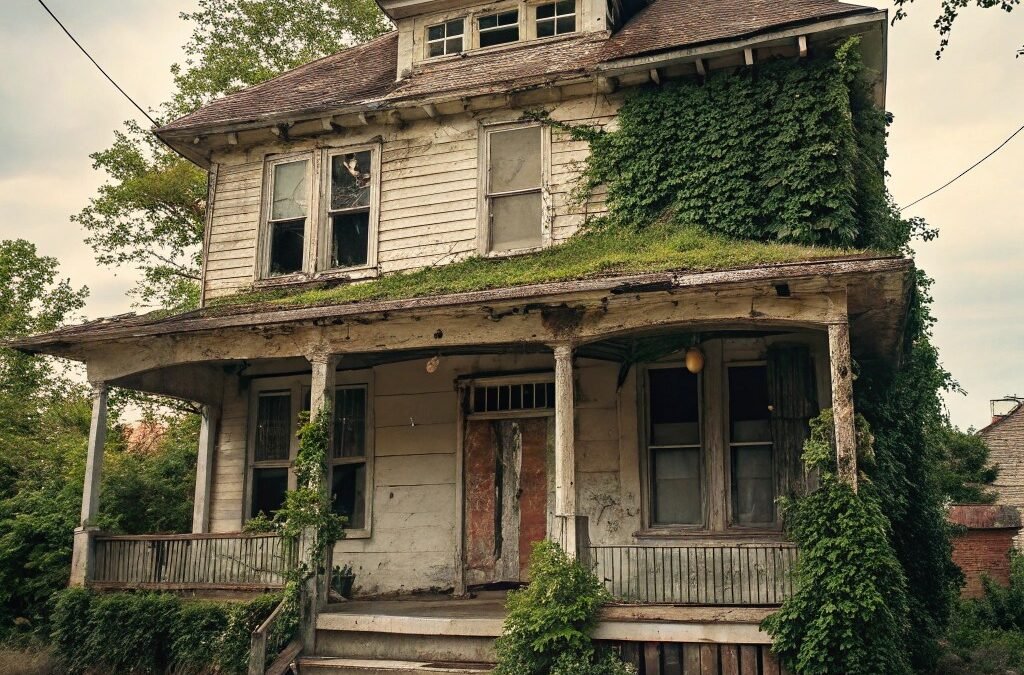
Every homeowner faces the same dilemma: when you spot a problem in your home, should you fix it immediately or wait until it's more convenient? While delaying repairs might seem like a smart way to save money in the short term, the reality is often quite different. Small issues have a troubling habit of growing into expensive disasters when left unaddressed.
Understanding the true cost of postponing home repairs can help you make informed decisions about your property maintenance and potentially save thousands of dollars in the long run.
Table of Contents
Why Homeowners Delay Repairs
Before diving into the consequences, let's acknowledge why repair delays happen. Budget constraints are the most obvious reason—not everyone has thousands of dollars sitting in an emergency fund. Busy schedules, uncertainty about the severity of an issue, or simply hoping the problem will resolve itself all contribute to procrastination.
These are understandable reasons, but understanding the potential consequences can help you prioritize repairs more effectively and avoid situations where a $200 fix becomes a $10,000 emergency.
The Domino Effect: How Small Problems Become Big Ones
Home systems are interconnected in ways that aren't always obvious. A seemingly minor issue in one area can trigger a cascade of problems throughout your home.
Water Damage: The Silent Destroyer
Water is one of the most destructive forces in your home. A small leak might seem like a minor inconvenience—just a drip here and there. But water damage compounds exponentially over time.
Timeline of a neglected leak:
- Week 1-2: Water stains appear on ceilings or walls. Damage is still minimal and primarily cosmetic.
- Month 1-2: Wood begins to soften and warp. Drywall becomes damaged. Mold spores start to develop in damp conditions.
- Month 3-6: Structural wood members may begin to rot. Mold colonies establish themselves. Insulation becomes saturated and loses effectiveness.
- 6+ months: Significant structural damage occurs. Mold spreads throughout wall cavities. Electrical systems may be compromised. Repair costs can easily exceed $10,000-$20,000.
What started as a $150-$300 repair for a leaking pipe joint can transform into a major renovation project requiring mold remediation, structural repairs, and drywall replacement throughout multiple rooms.
Foundation Issues: The $500 Crack That Becomes a $30,000 Problem
Foundation cracks are another area where delays prove extremely costly. A hairline crack in your foundation might seem harmless, but it represents a breach in your home's structural integrity.
As the crack widens due to settling, frost heave, or water intrusion, several things happen:
- Water enters through the crack, causing erosion of soil beneath the foundation
- The foundation settles unevenly, creating stress on walls and framing
- Doors and windows begin sticking as frames shift
- Additional cracks appear in walls and ceilings
- Plumbing and drainage systems may be compromised
A crack that could be sealed and stabilized for $500-$1,500 can evolve into a foundation repair project costing $30,000 or more, potentially involving foundation underpinning, wall stabilization, and extensive interior repairs.
Roof Damage: When Weather Gets Inside
Your roof is your home's primary defense against the elements. Even small areas of damage compromise this protection.
A few missing or damaged shingles might not seem urgent, especially if you're not seeing any leaks inside. However, exposed roof decking is vulnerable to weather damage. One heavy rain or snow event can allow water to penetrate the decking and enter your attic space.
The progression of roof damage:
- Missing shingles expose underlayment or decking
- UV exposure and weather deteriorate exposed materials
- Water begins infiltrating during rain events
- Roof decking softens and becomes damaged
- Water enters attic space, damaging insulation
- Water travels along rafters and walls
- Ceiling damage appears in living spaces
- Mold develops in attic and wall cavities
A $300-$500 shingle repair can escalate to a $15,000-$25,000 roof replacement plus interior repairs if water damage becomes extensive.
Hidden Costs of Delayed Repairs
Beyond the direct repair costs, delaying maintenance creates several hidden expenses that homeowners often overlook.
Energy Efficiency Loss
Many repair issues directly impact your home's energy efficiency. A damaged window seal, inadequate attic insulation from water damage, or gaps around doors don't just need repair—they're costing you money every single month on your energy bills.
A drafty window might add $20-$50 per month to your heating and cooling costs. Over a year, that's $240-$600 in wasted energy, plus the eventual repair cost. Addressing the issue promptly stops the financial bleeding.
Decreased Home Value
When it comes time to sell your home, deferred maintenance significantly impacts your property's value and marketability. Home inspectors will identify these issues, and buyers will either request repairs, demand price reductions, or walk away entirely.
Major deferred maintenance can reduce your home's value by 5-10% or more. On a $300,000 home, that's $15,000-$30,000 in lost value—far more than the original repair would have cost.
Insurance Complications
Many homeowners are surprised to learn that insurance companies may deny claims for damage that results from deferred maintenance. If a small leak you've been ignoring leads to extensive water damage, your insurer might argue that the damage could have been prevented with timely repairs.
Insurance is designed to cover sudden, unexpected events—not the predictable consequences of neglected maintenance.
Emergency Repair Premiums
When a minor issue becomes an emergency, you'll pay premium rates for immediate service. Emergency plumbers, electricians, and contractors typically charge 1.5 to 3 times their normal rates for after-hours and emergency calls.
The $500 repair you postponed might cost $1,500 as an emergency call, before considering the additional damage that occurred during the delay.
Real-World Examples: The Numbers Don't Lie
Case Study 1: The $800 Water Heater
A homeowner noticed their 12-year-old water heater making unusual noises and showing signs of minor corrosion. Rather than replacing it, they decided to wait until it actually failed.
Six months later, the water heater failed catastrophically while they were away for the weekend. The result:
- Water damage to finished basement: $8,500
- Water heater replacement (emergency service): $2,200
- Temporary lodging during repairs: $1,200
- Total cost: $11,900
A planned water heater replacement would have cost approximately $1,500, saving nearly $10,000.
Case Study 2: The Ignored Termite Damage
A homeowner noticed small signs of termite activity in their garage but didn't take immediate action. Over two years, the termites spread throughout the home's crawl space and lower level framing.
The eventual cost:
- Termite treatment: $2,500
- Structural repairs to floor joists: $18,000
- Replacement of damaged flooring: $12,000
- Total cost: $32,500
Early termite treatment would have cost approximately $1,500-$2,000 with minimal structural damage.
Case Study 3: The Postponed HVAC Maintenance
Regular HVAC maintenance was repeatedly postponed to save the $150-$200 annual service fee. After five years without maintenance, the system failed during a heat wave.
Upon inspection, the technician found:
- Compressor failure due to dirty coils
- Refrigerant line damage
- Full system replacement required: $8,500
Regular maintenance over those five years would have cost $750-$1,000 and likely prevented the total system failure, saving approximately $7,000.
When to Act: Prioritizing Home Repairs
Not every repair requires immediate action, but knowing how to prioritize can help you make smart decisions.
Immediate Priority Repairs
These issues should be addressed within days or weeks:
- Active water leaks of any size
- Electrical problems (sparking outlets, frequently tripping breakers, burning smells)
- Structural concerns (cracks in foundation, sagging floors or roofing)
- Pest infestations
- Heating/cooling system failures in extreme weather
- Roof damage with potential for water entry
- Sewage backup or drainage problems
High Priority Repairs
Address within 1-3 months:
- Minor foundation cracks
- Aging water heaters showing signs of failure
- Worn roofing before severe weather seasons
- Deteriorating caulking and weatherstripping
- Malfunctioning sump pumps before rainy season
- HVAC systems showing decreased efficiency
Medium Priority Repairs
Can typically wait 3-6 months with monitoring:
- Cosmetic damage without structural implications
- Minor exterior paint deterioration
- Non-critical appliance repairs
- Aesthetic updates that don't affect function
Smart Strategies for Managing Repair Costs
Build an Emergency Fund
Financial experts recommend maintaining a home maintenance fund equal to 1-3% of your home's value annually. For a $300,000 home, that's $3,000-$9,000 per year for repairs and maintenance.
Document Everything
Keep detailed records of all repairs and maintenance. This documentation proves valuable for insurance claims, warranty issues, and home resale.
Learn Basic DIY Skills
Some repairs are genuinely DIY-friendly for handy homeowners. Learning basic skills like caulking, minor plumbing repairs, or filter replacement can reduce costs. However, know your limits—improper DIY repairs often cost more to fix than hiring a professional initially.
The Bottom Line: Prevention Pays
The mathematics of home maintenance are straightforward: early intervention almost always costs less than delayed repairs. While the upfront expense might seem inconvenient, it's nearly always cheaper than dealing with compounded damage later.
Think of home repairs as an investment in your property rather than an expense. Every dollar spent on timely maintenance protects your home's value, prevents larger expenses, and gives you peace of mind.
When you spot a potential problem, take action:
- Document the issue with photos and notes
- Get professional assessments for anything beyond minor concerns
- Obtain multiple estimates for significant repairs
- Prioritize repairs based on safety and potential for damage escalation
- Budget for the repair rather than hoping it goes away
Your home is likely your largest investment. Protecting that investment through prompt attention to repairs isn't just smart—it's essential financial management. The question isn't whether you can afford to make repairs; it's whether you can afford not to.
Remember: the most expensive repair is always the one you didn't do when you should have.
FREQUENTLY ASKED QUESTIONS
How much more expensive do home repairs get when you delay them?
Delayed home repairs typically cost 10–50 times more than timely intervention. A leaking pipe joint that costs $150–$300 to fix can generate $10,000–$20,000 in mold remediation and structural repair within 3–6 months. A $500 foundation crack can escalate to $30,000 in foundation stabilization. A minor roof repair of $300–$500 can lead to $5,000–$15,000 in water damage, insulation replacement, and mold remediation. A neglected water heater ($800 replacement) can fail catastrophically, flooding your home for $5,000–$20,000 in damage. Beyond repair cost multiplication, emergency service calls cost 2–3 times standard rates due to after-hours and urgency premiums. The pattern is consistent across every home system: early intervention is dramatically cheaper.
What happens if you ignore a small water leak in your home?
A small water leak follows a predictable and increasingly destructive timeline. In weeks 1–2, water stains appear and damage is mostly cosmetic. By months 1–2, wood begins softening and warping, drywall sustains damage, and mold spores start developing. By months 3–6, structural wood members begin to rot, mold colonies become established and spread through wall cavities, and insulation becomes saturated and loses effectiveness. Beyond 6 months, significant structural damage occurs, mold has spread extensively, and electrical systems may be compromised. What started as a $150–$300 plumbing repair transforms into a major renovation requiring mold remediation, structural repairs, insulation replacement, and drywall work throughout multiple rooms — easily exceeding $10,000–$20,000.
What home repairs should you never delay?
Never delay these repairs regardless of budget constraints: any active water leak (damage compounds exponentially daily), roof damage that allows water entry, foundation cracks that are widening or accompanied by other structural symptoms, electrical issues like sparking outlets or buzzing panels (fire hazards), gas leaks or gas appliance malfunctions, HVAC failure in extreme temperatures, sewage backups, and any condition creating a safety hazard for occupants. These issues share a common trait — they either threaten personal safety or cause damage that accelerates dramatically over short periods. Addressing them immediately, even if it requires emergency financing, is always less expensive than allowing the damage to compound.
How does delaying home repairs affect your home's value?
Deferred maintenance directly reduces home value in multiple ways. Visible damage like peeling paint, damaged siding, or sagging gutters reduces curb appeal and lowers buyer perceptions. Home inspections during a sale reveal deferred maintenance, giving buyers leverage to negotiate significant price reductions — often more than the repair cost — or causing them to walk away entirely. Accumulated deferred maintenance creates a compounding effect where multiple deteriorating systems collectively lower value far more than the sum of individual repairs. Insurance companies may also reduce coverage or increase premiums for poorly maintained properties. Consistent maintenance preserves and builds home equity, while deferred maintenance erodes it.
Can delaying home repairs void my homeowner's insurance?
Yes, homeowner's insurance can deny claims for damage resulting from deferred maintenance or known pre-existing conditions. Insurance covers sudden, accidental events — not gradual deterioration that the homeowner knew about and failed to address. If you document a roof leak and don't repair it, subsequent water damage claims may be denied. If frozen pipes burst because you failed to maintain heat or insulate, coverage may be limited or denied. Some policies require regular maintenance as a condition of coverage, and adjusters can often determine whether damage resulted from a sudden event or gradual neglect. Maintaining your home and addressing problems promptly protects both your property and your insurance coverage.
How do I prioritize home repairs when I can't afford to fix everything?
Prioritize repairs in three tiers. Immediate priority (fix now): anything involving safety hazards, active water leaks, structural concerns, electrical problems, or gas issues — these cannot wait because they threaten safety or cause rapidly escalating damage. High priority (fix within weeks): issues that will worsen significantly if delayed, such as roof vulnerabilities before storm season, failing caulking before rain, and appliances showing signs of imminent failure. Medium priority (schedule within months): cosmetic issues, non-urgent upgrades, and problems that are stable and not currently worsening. When budget is tight, address immediate priorities first even if it means financing, and create a timeline for high-priority items based on available resources.
What is the domino effect in home repair and why does it matter?
The domino effect describes how a single unaddressed problem cascades through interconnected home systems, creating multiple additional failures. For example, a clogged gutter leads to water overflow, which saturates fascia boards (rot), backs up under roof shingles (roof leak), drips onto attic insulation (reduced HVAC efficiency), reaches framing (structural weakening), contacts wiring (electrical hazard), and causes mold growth throughout the affected area. Each stage creates additional repair costs and new problems in different systems. Understanding the domino effect demonstrates why proactive maintenance addressing small issues early is dramatically more cost-effective than reactive repair of the cascading damage that results from neglect.
How much should homeowners budget annually for home maintenance and repairs?
Financial experts recommend budgeting 1–3% of your home's value annually for maintenance and repairs. For a $300,000 home, that's $3,000–$9,000 per year. Newer homes generally need less, while homes over 20 years old often require budgets at the higher end as major systems approach end-of-life. Beyond annual maintenance, maintain a separate emergency fund of $5,000–$10,000 for unexpected repairs. Track all maintenance spending to identify patterns and anticipate large upcoming expenses. Some homeowners use the "square footage rule" as an alternative — budgeting $1 per square foot annually. Regardless of the method, consistent budgeting prevents the financial stress that leads to deferred maintenance and its exponentially higher costs.