
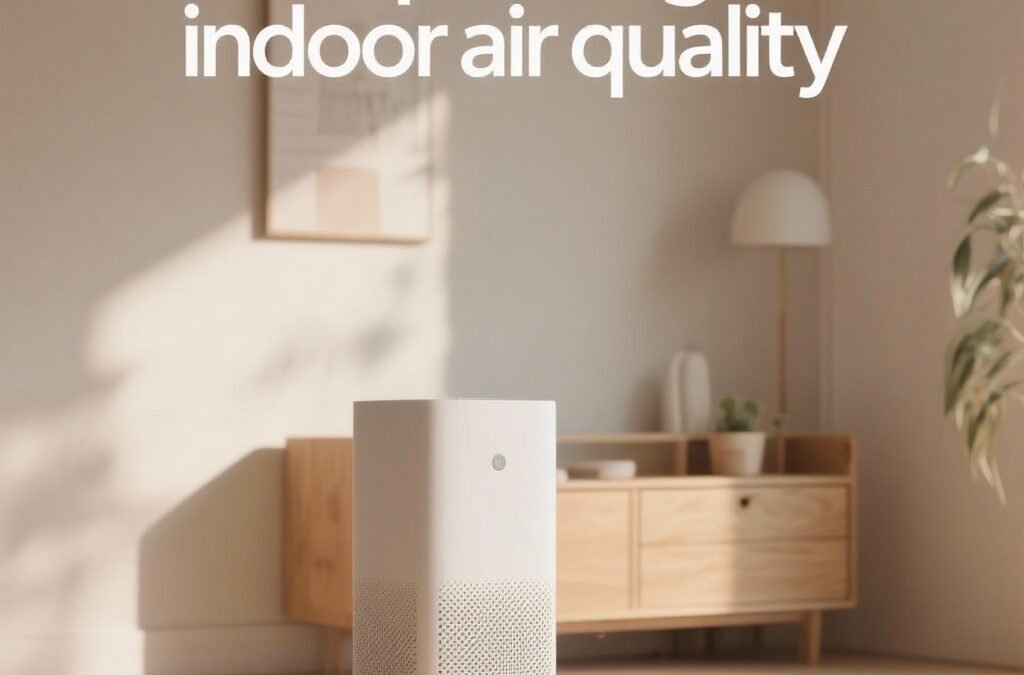
The air inside your home can be 2-5 times more polluted than outdoor air, according to the EPA. Since most of us spend about 90% of our time indoors, the quality of that air directly impacts our health, comfort, and well-being. The good news? You can significantly improve your indoor air quality with some straightforward strategies.
Understanding Indoor Air Pollutants
Common indoor air pollutants include dust mites, pet dander, mold spores, volatile organic compounds (VOCs) from cleaning products and furniture, combustion byproducts from gas appliances, and even outdoor pollutants that make their way inside. These irritants can trigger allergies, asthma, headaches, and fatigue.
Ventilation: Your First Line of Defense
Proper ventilation is crucial for maintaining healthy indoor air. Fresh air dilutes indoor pollutants and helps control humidity levels.
Simple ventilation strategies:
- Open windows for 10-15 minutes daily, even in winter, to exchange stale indoor air with fresh outdoor air
- Use exhaust fans in bathrooms and kitchens to remove moisture and pollutants at their source
- Ensure your HVAC system's fresh air intake is unobstructed
- Consider opening windows on opposite sides of your home to create cross-ventilation
HVAC Maintenance Matters
Your heating and cooling system plays a major role in air quality. A neglected HVAC system can actually circulate pollutants throughout your home.
Key maintenance steps:
- Replace HVAC filters every 1-3 months, depending on usage and filter type
- Upgrade to MERV 11-13 filters for better particle capture (check your system can handle higher MERV ratings first)
- Have your ductwork professionally cleaned every 3-5 years
- Schedule annual HVAC inspections to ensure proper operation
Control Humidity Levels
Humidity that's too high encourages mold growth and dust mites, while air that's too dry can irritate respiratory systems. Aim for indoor humidity between 30-50%.
Humidity control tips:
- Use dehumidifiers in damp basements or during humid months
- Run bathroom fans during and for 20 minutes after showers
- Fix any water leaks promptly
- Consider a whole-house humidifier in winter if air becomes too dry
Reduce VOCs and Chemical Pollutants
Many household products release harmful chemicals into your indoor air.
To minimize VOC exposure:
- Choose low-VOC or VOC-free paints, cleaners, and building materials
- Switch to natural cleaning products like vinegar, baking soda, and castile soap
- Avoid synthetic air fresheners and opt for natural alternatives like essential oil diffusers
- Store chemicals, paints, and solvents in a detached garage if possible
- Avoid smoking indoors
Strategic Use of Air Purifiers
While not a replacement for proper ventilation, air purifiers can supplement your air quality efforts.
Air purifier considerations:
- HEPA filters capture 99.97% of particles 0.3 microns or larger
- Place purifiers in bedrooms and main living areas where you spend the most time
- Size the purifier appropriately for your room's square footage
- Look for models with activated carbon filters to capture odors and VOCs
- Avoid ozone-generating air purifiers, which can irritate lungs
The Role of Houseplants
While houseplants won't purify your air as effectively as mechanical ventilation or HEPA filters, they do add oxygen and can absorb some pollutants. Plus, they improve your living space aesthetically.
Easy air-improving plants:
- Snake plants and pothos are low-maintenance and tolerant of various light conditions
- Spider plants are excellent for beginners and help remove formaldehyde
- Peace lilies thrive in low light and help with mold spores (note: toxic to pets)
- Just be careful not to overwater, as this can lead to mold in the soil
Control Dust and Allergens
Regular cleaning reduces the buildup of dust, pet dander, and other particulates.
Effective cleaning practices:
- Vacuum at least twice weekly with a HEPA-filter vacuum
- Damp-mop hard floors to trap dust rather than disperse it
- Wash bedding in hot water weekly to kill dust mites
- Use microfiber cloths for dusting, which trap particles rather than spread them
- Remove shoes at the door to avoid tracking in outdoor pollutants
- Groom pets regularly, preferably outdoors
Address Mold Proactively
Mold grows wherever moisture accumulates, releasing spores that can trigger allergies and respiratory issues.
Mold prevention:
- Fix leaks immediately
- Ensure proper bathroom and kitchen ventilation
- Clean visible mold with a solution of water and detergent (wear a mask)
- For large mold problems (over 10 square feet), consult a professional
- Check for mold in hidden areas like under sinks, around windows, and in basements
Test Your Air
If you're experiencing persistent health symptoms or want a baseline measurement, consider testing your indoor air quality.
Testing options:
- DIY radon test kits (radon is a serious health hazard and the second leading cause of lung cancer)
- Carbon monoxide detectors should be installed on every level of your home
- Professional air quality testing can identify specific pollutants and their sources
- Mold testing if you suspect but can't locate a mold problem
Small Changes, Big Impact
Improving your indoor air quality doesn't require expensive equipment or major renovations. Start with the basics: open your windows regularly, change your HVAC filters on schedule, control humidity, and reduce chemical use in your home. Your lungs will thank you.
Remember, every home is different. If you or family members have persistent respiratory issues, allergies, or other health concerns, consult with your doctor and consider professional indoor air quality testing to identify specific problems in your home.