Every home shows signs of wear and aging. Some issues are normal and manageable. Others are warning signals that serious problems are developing—problems that worsen rapidly and cost exponentially more if ignored.
The challenge for homeowners is recognizing the difference between minor concerns and red flags requiring immediate professional attention. Missing these warning signs can transform a $500 repair into a $20,000 disaster within months. This comprehensive guide helps you identify the critical red flags in home maintenance that demand immediate action.
Understanding Red Flags vs. Normal Wear
Not every crack, stain, or odd sound signals a crisis. Homes settle, materials age, and minor issues develop naturally over time. Red flags are different—they indicate active problems, safety hazards, or conditions that will rapidly deteriorate without intervention.
Red flag characteristics:
- Sudden appearance or rapid change
- Multiple related symptoms appearing together
- Impact on structural integrity or safety
- Potential for cascading damage to other systems
- Health hazards developing
- Changes that worsen noticeably over weeks or months
Normal wear characteristics:
- Gradual development over years
- Isolated issues without related symptoms
- Cosmetic impact without functional consequences
- Stable conditions not changing or worsening
- No safety implications
Learning to recognize red flags protects your home, your family, and your finances.
Foundation and Structural Red Flags
Your home's foundation supports everything above it. Foundation problems create cascading issues throughout the structure.
Cracks That Demand Immediate Attention
Not all foundation cracks are emergencies, but certain patterns require urgent professional assessment.
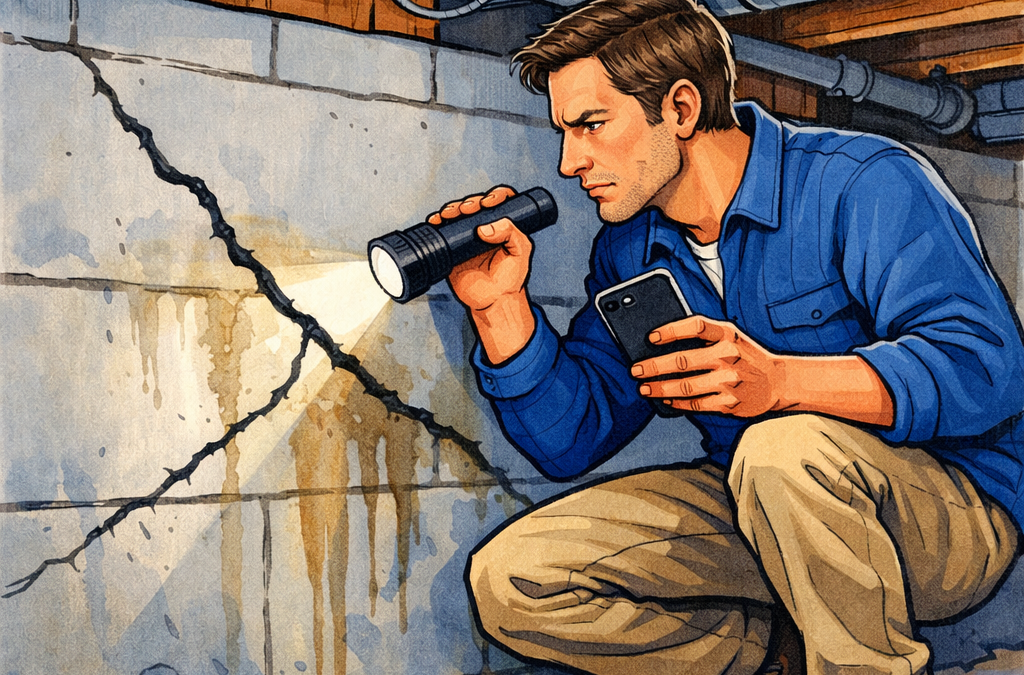
Red flag foundation cracks:
- Horizontal cracks in foundation walls (indicate lateral pressure—serious structural concern)
- Diagonal cracks wider than 1/4 inch
- Cracks that widen noticeably over weeks or months
- Stair-step cracks in brick or block foundations
- Cracks accompanied by bowing or bulging walls
- Cracks with water intrusion
- Multiple cracks appearing suddenly
Normal cracks:
- Hairline vertical cracks (less than 1/8 inch)
- Stable cracks that haven't changed in years
- Settlement cracks that occurred during initial home settling
Why immediate action matters: Foundation failure causes catastrophic structural damage. Walls crack, floors sag, doors and windows stop operating, and plumbing systems fail. Early intervention costs thousands; delayed intervention costs tens of thousands.
What to do: Call a structural engineer or foundation specialist immediately when you notice concerning cracks. They'll assess whether movement is active and recommend solutions.
Sagging or Uneven Floors
Floors should be level and solid. Noticeable changes indicate structural problems below.
Red flags:
- Floors that have become noticeably more uneven recently
- Sagging areas where floors dip
- Bouncy or spongy spots when walking
- Visible gaps between floors and baseboards
- Cracks in flooring appearing suddenly
Possible causes:
- Foundation settlement
- Deteriorating support beams or joists
- Water damage to structural members
- Termite or pest damage to framing
What to do: Hire a structural engineer to assess the cause. Understanding how your home's structural systems work together helps you recognize when floor issues might indicate larger problems.
Doors and Windows That Suddenly Stick
One door sticking might be minor. Multiple doors and windows suddenly becoming difficult to operate signals structural movement.
Red flags:
- Several doors or windows sticking simultaneously
- Gaps appearing where doors meet frames
- Previously functioning doors/windows now difficult to open or close
- Visible separation at door or window frames
- Cracks appearing around door or window openings
What this indicates: The structure is shifting. Foundation problems, settling, or framing issues cause openings to become out of square.
What to do: Document which doors and windows are affected. Call a structural professional for assessment. Don't ignore this—it indicates active structural movement.
Roof and Attic Red Flags
Your roof protects everything inside your home. Roof problems allow water intrusion that causes extensive damage.
Interior Water Stains
Water stains on ceilings or walls indicate active or recent water intrusion.
Red flags:
- New water stains appearing
- Existing stains growing larger
- Stains accompanied by musty odors
- Multiple stains in different locations
- Stains with visible mold growth
- Active dripping during rain
Common causes:
- Roof leaks
- Plumbing leaks in walls or ceilings
- HVAC condensation issues
- Ice dam damage
Why immediate action matters: Water damage compounds rapidly. Within 24-48 hours, mold begins growing. Wood framing starts deteriorating. Insulation becomes saturated and loses effectiveness. Electrical systems face damage and fire risk.
What to do: Identify the source immediately. For roof leaks, call a roofer for emergency repair. For plumbing, call a plumber. Don't wait—water damage escalates daily.
Daylight Visible Through Roof
If you can see daylight through your roof boards from the attic, your roof envelope is compromised.
Red flags:
- Visible light coming through roof deck
- Missing or damaged shingles visible from inside attic
- Gaps or holes in roof decking
- Water stains on roof decking or rafters
What to do: Call a roofing professional immediately. Compromised roof decking allows weather intrusion and structural damage. As discussed in our article about emergency home repairs, active roof leaks during weather events require urgent response.
Sagging Roof Lines
Standing outside your home, roof lines should appear straight. Sagging indicates structural problems.
Red flags:
- Visible dips or sags in roof lines
- Ridgelines that appear wavy rather than straight
- Valleys that sag
- Areas where roof appears to be caving in
Causes:
- Inadequate or damaged roof framing
- Excessive weight (too many roof layers, heavy snow)
- Water damage to roof structure
- Age-related deterioration
What to do: Call a structural engineer or roofing professional immediately. Sagging roofs can collapse, especially under snow load or with additional water damage.
Plumbing Red Flags
Plumbing problems range from minor annoyances to major emergencies. Certain signs require immediate professional attention.
Multiple Drains Backing Up Simultaneously
One slow drain is a clog. Multiple drains backing up signals a main line problem.
Red flags:
- Multiple fixtures draining slowly at once
- Water backing up in tubs or showers when toilets flush
- Gurgling sounds from multiple drains
- Sewage odors throughout house
- Water backing up in basement floor drains
What this indicates: Your main sewer line is blocked or failing. This is a serious problem that worsens rapidly.
What to do: Stop using water immediately. Call a plumber for emergency service. Main line backups can cause sewage to flood your home—a health hazard requiring professional remediation.
Sudden Water Pressure Loss Throughout Home
Complete loss of water pressure affecting the whole house indicates a serious plumbing problem.
Red flags:
- Sudden drop in pressure at all fixtures
- Complete loss of water flow
- Water discoloration accompanying pressure loss
- Unusually high water bills
Possible causes:
- Main water line leak or break
- Significant pipe corrosion
- Major leak hidden in walls or under slab
What to do: Check if neighbors have water (might be municipal issue). If isolated to your home, call a plumber immediately. Main line leaks cause extensive water damage and waste thousands of gallons.
Persistent Sewage Odors
Sewage smells indicate either drain problems or dangerous sewer gas intrusion.
Red flags:
- Sewage smell that doesn't dissipate
- Smell worsening over time
- Smell strongest near drains or plumbing fixtures
- Smell accompanied by gurgling drains
Possible causes:
- Dry P-traps (easily fixed)
- Broken or blocked vent pipes
- Cracked sewer lines
- Failed wax rings on toilets
Why immediate action matters: Sewer gas contains methane and hydrogen sulfide—both dangerous. It also indicates potential sewage backup risk.
What to do: Pour water down all drains to fill P-traps. If smell persists, call a plumber immediately.
Visible Pipe Corrosion or Leaks
Any visible water damage around pipes requires attention.
Red flags:
- Green or white buildup on copper pipes
- Rust on pipes or connections
- Visible drips or moisture
- Damaged or flaking pipe insulation
- Warped or damaged cabinets under sinks
What to do: Small leaks become big leaks. Corroded pipes will fail. Call a plumber before small problems become flooding emergencies.
Electrical Red Flags
Electrical problems cause fires. Never ignore electrical warning signs.
Frequently Tripping Breakers
Breakers trip occasionally to protect your system. Frequent tripping indicates a serious problem.
Red flags:
- Same breaker tripping repeatedly
- Multiple breakers tripping
- Breakers tripping immediately when reset
- Burning smell accompanying trips
- Warm or hot breakers or electrical panel
Possible causes:
- Overloaded circuits
- Short circuits
- Ground faults
- Damaged wiring
- Failing breakers
Why immediate action matters: According to the National Fire Protection Association, electrical failures cause approximately 13% of home fires. Frequent breaker trips indicate dangerous conditions.
What to do: Stop using the affected circuit. Call a licensed electrician immediately. Never override safety devices or ignore electrical warning signs.
Burning Smells from Outlets or Switches
Any burning smell from electrical components is an emergency.
Red flags:
- Burning plastic or electrical smell
- Smell coming from outlets, switches, or electrical panel
- Smoke visible from electrical components
- Discolored outlets or switch plates
- Sparking from outlets or switches
What to do: Turn off power at the main breaker if safe to do so. Call an emergency electrician immediately. If you see smoke or flames, evacuate and call 911.
Flickering Lights Throughout Home
One flickering bulb is a bulb issue. Multiple flickering lights indicate electrical problems.
Red flags:
- Lights flickering throughout house
- Flickering when large appliances turn on
- Dimming when appliances run
- Flickering accompanied by buzzing sounds
Possible causes:
- Loose connections at service entrance
- Overloaded system
- Utility company issues
- Damaged wiring
What to do: If isolated to your home (neighbors' lights normal), call an electrician. Loose connections create heat and fire risk.
Outlets or Switches Hot to Touch
Electrical components should never be hot.
Red flags:
- Outlets warm or hot to touch
- Switch plates hot
- Electrical panel hot to touch
- Plugs hot when removed from outlets
What this indicates: Dangerous electrical resistance creating heat. This precedes electrical fires.
What to do: Stop using affected outlets immediately. Call an electrician urgently. Hot electrical components are pre-fire conditions.
HVAC Red Flags
Heating and cooling system problems range from efficiency losses to carbon monoxide dangers.
Strange Odors from Heating System
Certain smells from heating systems indicate dangerous conditions.
Red flags:
- Burning smell when heat first turns on (if persistent)
- Electrical burning smell
- Gas or sulfur smell
- Metallic or oily smell
What different smells mean:
- Brief burning smell at season start: Normal (dust burning off)
- Persistent burning: Overheating components or electrical problems
- Gas/sulfur smell: Gas leak—evacuate immediately
- Metallic smell: Overheating metal—potential fire risk
What to do: For gas smells, evacuate and call gas company immediately. For other persistent odors, shut down system and call HVAC professional.
Yellow or Flickering Pilot Light
Gas furnace pilot lights should burn blue. Yellow or flickering flames indicate incomplete combustion.
Red flags:
- Yellow or orange pilot flame
- Flickering or wavering flame
- Pilot light frequently going out
- Soot around furnace
Why immediate action matters: Incomplete combustion produces carbon monoxide—an odorless, deadly gas. This is a life-threatening condition.
What to do: Shut down furnace immediately. Call HVAC professional urgently. Install carbon monoxide detectors if you don't have them.
Unusual Sounds from HVAC System
Some sounds are normal. Others indicate component failure.
Red flags:
- Grinding or metal-on-metal sounds
- Loud banging when system starts or stops
- Screeching or squealing
- Rattling that worsens over time
What sounds mean:
- Grinding: Bearing failure imminent
- Banging: Delayed ignition (gas buildup—dangerous)
- Screeching: Belt failure or bearing problems
- Rattling: Loose components that can cause damage
What to do: Shut down system and call HVAC professional. Continued operation can cause complete system failure or dangerous conditions.
Pest and Mold Red Flags
Pests and mold cause structural damage and health problems.
Visible Termite Damage or Mud Tubes
Termites cause billions in structural damage annually. They work hidden until damage is extensive.
Red flags:
- Mud tubes on foundation or walls (pencil-width tubes leading from ground to wood)
- Hollow-sounding wood when tapped
- Discarded wings near windows or doors
- Visible wood damage or tunnels in wood
- Sagging floors or ceilings
- Buckling wood
Why immediate action matters: Termites eat 24/7. Colonies contain hundreds of thousands of insects consuming your home's structure. Delay allows exponential damage.
What to do: Call pest control specialists immediately for inspection and treatment. Call structural engineer if damage appears extensive.
Visible Mold Growth
Small surface mold might be cleanable. Extensive growth indicates moisture problems requiring professional remediation.
Red flags:
- Mold growth larger than 10 square feet
- Mold returning after cleaning
- Mold in multiple locations
- Black mold (dark green or black)
- Mold accompanied by musty odors
- Mold with visible water damage
Why immediate action matters: Mold indicates ongoing moisture problems. It causes health issues and structural damage. Mold growth means water is present—addressing symptoms without fixing moisture sources accomplishes nothing.
What to do: Don't attempt DIY remediation of large mold growth. Call mold remediation professionals who will address both mold and moisture sources.
Rodent or Wildlife Evidence
Animal infestations cause damage and disease risks.
Red flags:
- Droppings in attic, basement, or living spaces
- Gnawed wires or wood
- Scratching sounds in walls or ceilings
- Visible entry holes
- Nests or nesting material
- Greasy rub marks along walls
Why immediate action matters: Rodents chew electrical wiring (fire hazard), damage insulation and ductwork, contaminate spaces with droppings and urine, and reproduce rapidly.
What to do: Call pest control professionals. Identify and seal entry points. Address attractants (food sources, water).
When Professional Assessment Is Worth the Cost
Some situations don't show obvious red flags but warrant professional inspection.
Buying a Home
Professional inspections before purchase identify problems the seller must address or that inform your purchase decision.
Essential inspections:
- General home inspection
- Pest inspection
- Specialized inspections based on home age, type, location (septic, well, radon, mold)
After Major Weather Events
Storms, floods, and extreme weather cause hidden damage.
When to inspect:
- After hurricane or tornado
- Following flooding
- After severe hail storms
- Following earthquakes (in seismic areas)
- After heavy snow loads on roof
Before Major Renovations
Professional assessment before renovations prevents costly surprises.
Situations requiring pre-renovation inspection:
- Removing walls (may be load-bearing)
- Major plumbing relocations
- Electrical system upgrades
- Foundation work
- Roof replacement
Every 3-5 Years Preventively
Regular professional inspections catch developing problems early when repairs cost less. As detailed in our article about the cost of delaying home repairs, small problems compound rapidly. Preventive inspections identify issues before they become expensive emergencies.
Creating Your Home Maintenance Monitoring System
Systematic monitoring helps you catch red flags early.
Monthly Walk-Through Checklist
Conduct brief monthly inspections:
- Check all faucets and drains for leaks or slow drainage
- Test all electrical outlets and switches
- Listen for unusual sounds from HVAC system
- Check for new cracks in walls, ceilings, or foundation
- Inspect attic and basement for leaks, pests, or moisture
- Test smoke and carbon monoxide detectors
- Look for signs of pest activity
- Check windows and doors for operation and sealing
Seasonal Detailed Inspections
Each season, conduct more thorough inspections:
- Spring: Roof, gutters, foundation drainage, HVAC transition
- Summer: Cooling system, attic ventilation, exterior maintenance
- Fall: Heating system, winterization, gutter cleaning
- Winter: Snow/ice damage monitoring, humidity levels, heating performance
Document Changes
Photography documents conditions over time:
- Photograph any cracks and date them
- Measure crack widths and record
- Document water stains with photos
- Keep maintenance records showing dates of inspections and repairs
This documentation helps you identify whether conditions are stable or worsening—and provides evidence for insurance claims or warranty issues.
The Cost of Ignoring Red Flags
Understanding the financial impact of delay motivates appropriate action.
Real cost examples:
- Small foundation crack ignored: $500 seal becomes $30,000 foundation repair
- Minor roof leak delayed: $800 shingle repair becomes $15,000 roof replacement plus interior damage
- Electrical burning smell dismissed: Free breaker reset becomes $50,000 house fire
- Termite signs overlooked: $2,000 treatment becomes $25,000 structural repair
- Mold patch ignored: $500 remediation becomes $15,000 extensive mold removal
Every example reflects actual homeowner experiences. Red flags exist as warnings. Heeding them prevents catastrophes.
Trusting Your Instincts
Sometimes you can't articulate what's wrong, but something feels off. Trust those instincts.
When to call even without obvious red flags:
- Something just doesn't seem right
- Your home behaves differently than usual
- You notice changes you can't explain
- Family members experience unexplained health symptoms
- Pets behave unusually around certain areas
Professional contractors can investigate vague concerns and either provide peace of mind or identify hidden problems.
Working With Professionals
When red flags appear, working with qualified professionals protects your investment.
How to find qualified contractors:
- Verify licensing and insurance
- Check references and reviews
- Get multiple estimates for major work
- Ask about warranties on work performed
- Ensure they specialize in the specific problem
- Get written contracts before work begins
Questions to ask:
- What's causing this problem?
- How urgent is this repair?
- What happens if we delay?
- What's the expected lifespan of the repair?
- Are there underlying issues we should address?
Good contractors educate homeowners and explain both problems and solutions thoroughly.
The Bottom Line on Home Maintenance Red Flags
Your home constantly communicates its condition through visible signs, sounds, and smells. Red flags are urgent messages that problems are developing—problems that worsen rapidly and cost exponentially more if ignored.
Learning to recognize these warning signs protects your home, your family, and your finances. Foundation cracks, water intrusion, electrical issues, HVAC problems, and pest infestations all display characteristic red flags that demand immediate professional attention.
The cost of professional assessment is always less than the cost of ignored problems. A $200-$500 inspection that identifies developing issues prevents $10,000-$50,000 disasters. Emergency repairs cost 2-3 times scheduled repairs, and the damage from delay often exceeds the repair cost many times over.
Systematic home monitoring—monthly walk-throughs, seasonal detailed inspections, and documentation of changes—helps you catch red flags early when intervention is least expensive and most effective.
When you notice red flags, act promptly. Call qualified professionals for assessment. Get multiple opinions for major issues. Don't let cost concerns prevent necessary inspections—the inspection cost is trivial compared to the disaster you might prevent.
Your home is likely your largest financial investment and your family's shelter. Protecting it requires vigilance, knowledge of warning signs, and willingness to act when red flags appear. The homeowners who fare best aren't those who never face problems—they're those who recognize problems early and address them appropriately.
For more detailed guidance on home maintenance and safety, consult resources like the International Association of Certified Home Inspectors at https://www.nachi.org/home-maintenance-tips.htm, which provides comprehensive information on identifying and addressing home maintenance concerns.
Stay observant, trust your instincts, document changes, and don't hesitate to call professionals when red flags appear. Your proactive attention to warning signs is the best insurance policy your home can have.