
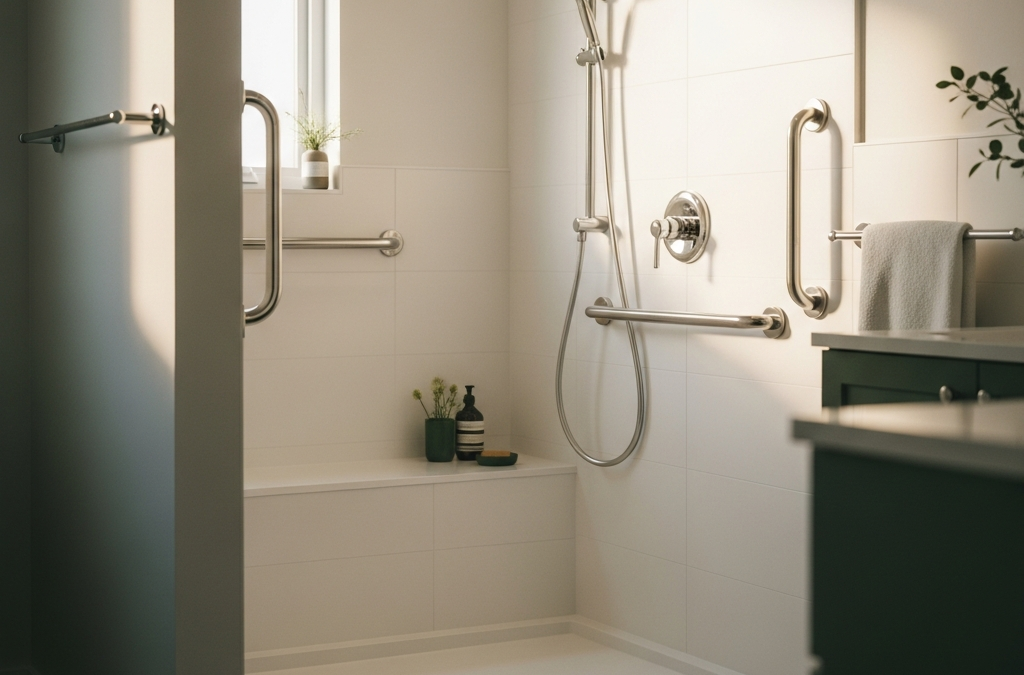
Growing older does not mean you have to leave the home you love. With thoughtful modifications and strategic upgrades, your house can evolve alongside your needs, keeping you safe, comfortable, and independent for years to come. Aging in place has become one of the fastest-growing trends in home improvement, and for good reason. The familiarity of your own space, the connection to your neighborhood, and the financial advantages of staying put all make a compelling case for modifying your current home rather than relocating.
Whether you are planning ahead for yourself, helping a parent prepare their home, or simply looking to make your living space more accessible and comfortable at any age, this guide walks you through the most impactful home modifications room by room. Many of these updates are surprisingly affordable, and quite a few will improve the livability of your home for every member of your household, regardless of age.
Why Aging in Place Matters More Than Ever
According to AARP, nearly 90 percent of adults over 65 want to remain in their current home as they age. The reasons are deeply personal and practical. Staying in a familiar environment supports mental health, maintains social connections, and avoids the significant costs associated with assisted living facilities. But wanting to stay home and being able to stay home safely are two different things.
The key is planning ahead. Making modifications before they become urgent gives you time to prioritize, budget, and complete the work without the pressure of recovering from a fall or sudden mobility change. Think of it as preventive maintenance for your lifestyle, much like the approach outlined in The Lifespan of Everything in Your Home: When to Repair vs. Replace, where addressing things proactively saves money and stress down the road.
Bathroom Modifications: The Most Critical Room
The bathroom is statistically the most dangerous room in the home for older adults. Wet surfaces, tight spaces, and the physical demands of bathing and toileting create a perfect storm for falls and injuries. Fortunately, bathroom modifications are among the most effective aging-in-place investments you can make.
Grab Bars and Support Rails
Installing grab bars near the toilet, inside the shower, and alongside the bathtub is the single most impactful bathroom safety upgrade. Modern grab bars come in decorative finishes that complement your existing fixtures, so they no longer look institutional. Proper installation is critical here. Grab bars must be anchored into wall studs or reinforced with blocking behind the drywall to support body weight during a fall. A grab bar that pulls out of the wall during use is far more dangerous than having no grab bar at all.
Walk-In Showers and Tub Modifications
Stepping over a standard bathtub rim becomes increasingly risky as balance and flexibility change. A walk-in shower with a low or zero-threshold entry eliminates this hazard entirely. If a full shower remodel is not in the budget, a tub-cut conversion can lower a section of your existing tub wall to create easier access. Adding a built-in or removable shower bench provides a safe seating option, and a handheld showerhead on an adjustable slide bar lets you bathe comfortably whether standing or seated.
Flooring and Lighting
Replace slippery bathroom tile with textured, slip-resistant flooring. This does not mean sacrificing aesthetics. Many modern vinyl and porcelain options offer excellent traction while looking beautiful. Improve lighting with bright, even illumination that eliminates shadows, and consider adding motion-activated night lights for safe middle-of-the-night bathroom trips.
Elevated Toilets and Comfort Height Options
Standard toilets sit about 15 inches high, which can make sitting down and standing up difficult for people with knee, hip, or back issues. Comfort-height toilets measure 17 to 19 inches and significantly reduce the physical strain of using the bathroom. A toilet riser is an affordable alternative if replacing the entire fixture is not practical.
Kitchen Modifications for Accessibility
The kitchen is the heart of the home, and maintaining the ability to prepare meals independently is a major quality-of-life factor. Most kitchen aging-in-place modifications focus on reducing reaching, bending, and heavy lifting.
Cabinet and Storage Adjustments
Pull-out shelves, lazy Susans, and drawer organizers bring items to you instead of requiring you to reach into deep cabinets. Lowering upper cabinets or installing pull-down shelf systems makes everyday dishes and ingredients accessible without a step stool. For base cabinets, pull-out trash cans and sliding drawers replace the need to bend down and dig around in dark spaces.
Counter and Workspace Considerations
If you are planning a kitchen remodel, consider including a section of lowered countertop that can accommodate seated food preparation. Even without a full remodel, a sturdy rolling cart at the right height can serve as an accessible prep station. Ensure adequate lighting under cabinets and over work surfaces so you can see clearly while cooking. Good task lighting reduces the risk of cuts, burns, and other kitchen injuries.
Appliance Placement and Selection
Wall ovens and raised dishwashers eliminate bending to load and unload. Side-by-side refrigerators or French door models keep both fresh and frozen items within easy reach. Induction cooktops offer a safer alternative to gas burners since the surface stays cool to the touch and shuts off automatically when a pan is removed.
Entryways, Hallways, and General Mobility
Getting in and out of your home safely and moving through it comfortably are foundational to aging in place successfully.
Eliminating Trip Hazards
Take a critical walk through every room and hallway in your home. Loose rugs, raised thresholds, uneven flooring transitions, and cluttered pathways are all common trip hazards that are easy to fix. Secure area rugs with non-slip pads or remove them entirely. Install transition strips where flooring types change, and keep walkways clear of furniture, cords, and decorative items.
Ramps and Threshold Modifications
Even a single step at your front door can become a barrier. A gently sloped ramp with handrails provides safe, easy access whether you use a walker, wheelchair, or simply want more stable footing. Threshold ramps, which are small wedge-shaped pieces that smooth the transition at doorways, are an inexpensive solution for interior door frames.
Wider Doorways
Standard interior doorways are 28 to 32 inches wide, which can be tight for walkers and impossible for wheelchairs. Widening doorways to 36 inches is the gold standard for accessibility. Offset hinges are a quick, affordable alternative that can add up to two inches of clearance without any construction work.
Handrails on Both Sides of Stairs
If your home has stairs, install sturdy handrails on both sides. Handrails should extend the full length of the staircase and wrap around at the top and bottom so you always have something to grip. Make sure they are firmly anchored and comfortable to grasp. Round or oval profiles between 1.25 and 2 inches in diameter provide the most secure grip.
Bedroom and Living Space Adjustments
Comfort and accessibility in the spaces where you spend the most time make a significant difference in daily quality of life.
Main-Floor Living Options
If your bedroom is upstairs, consider converting a main-floor room into a bedroom suite. Having sleeping, bathing, and living spaces all on one level eliminates the need for daily stair climbing and provides a safer layout if mobility changes suddenly. This is one of the most valuable aging-in-place modifications for two-story homes.
Lighting Improvements Throughout
Aging eyes need more light to see clearly. Increase wattage in existing fixtures, add table and floor lamps in dark corners, and install rocker-style light switches that are easier to operate than traditional toggles. Motion-sensor lights in hallways, closets, and bathrooms provide automatic illumination without fumbling for switches.
Lever-Style Door Hardware
Round doorknobs require grip strength and wrist rotation that can be painful or impossible with arthritis. Replacing them with lever-style handles throughout your home is an inexpensive upgrade that makes every door easier to open. The same principle applies to faucets, where single-lever designs are far easier to operate than twist knobs.
Smart Home Technology for Safety
Modern technology offers powerful tools for aging in place safely, many of which are surprisingly simple to install and use.
Smart doorbells with cameras let you see who is at the door without getting up. Voice-activated assistants can control lights, thermostats, locks, and even make phone calls with simple spoken commands. Medical alert systems provide peace of mind with one-touch emergency calling. Smart smoke and carbon monoxide detectors send alerts to your phone and to emergency contacts. Automated lighting systems can turn lights on and off on schedules or respond to motion, ensuring you never walk into a dark room.
According to the National Institute on Aging, incorporating technology alongside physical modifications creates a comprehensive approach to safe, independent living at home.
Planning and Prioritizing Your Modifications
You do not need to do everything at once. Start with a home safety assessment, walking through every room and evaluating it for potential hazards. Prioritize modifications based on current needs and anticipated changes.
A practical approach is to organize modifications into three tiers. The first tier covers immediate safety items like grab bars, non-slip surfaces, improved lighting, and trip hazard removal. The second tier includes convenience and comfort upgrades like lever hardware, pull-out shelving, and elevated toilets. The third tier addresses larger projects like bathroom remodels, ramp installation, and doorway widening.
Many of these modifications are eligible for tax deductions, insurance assistance, or grant programs depending on your state and circumstances. It is worth researching what financial assistance may be available in your area before finalizing your plan.
When to Hire a Professional
Some aging-in-place modifications are solid weekend projects for a handy homeowner. Others require professional installation to ensure they function safely. Grab bar installation, electrical work, plumbing modifications, structural changes like doorway widening, and ramp construction should all be handled by experienced professionals. Improper installation of safety features can create a false sense of security that leads to serious injuries.
A professional handyman can assess your home, recommend modifications, and complete the work efficiently while ensuring everything meets accessibility standards and building codes.
Frequently Asked Questions About Aging in Place Home Modifications
What are the most important home modifications for aging in place?
The most critical aging-in-place modifications include installing grab bars in bathrooms, improving lighting throughout the home, eliminating trip hazards like loose rugs and raised thresholds, adding non-slip flooring in wet areas, and ensuring at least one full bathroom is accessible on the main floor. These foundational changes address the most common causes of falls and mobility issues for older adults living at home.
How much does it cost to modify a home for aging in place?
Costs vary widely depending on the scope of modifications. Basic safety upgrades like grab bars, improved lighting, and lever door handles can be completed for a few hundred dollars. Mid-range modifications including a walk-in shower conversion, comfort-height toilet, and pull-out cabinet shelving typically range from two thousand to ten thousand dollars. Major renovations like bathroom overhauls, doorway widening, and ramp construction can cost fifteen thousand dollars or more.
What bathroom modifications are most important for seniors?
Bathroom modifications should prioritize grab bars near the toilet and in the shower or tub area, non-slip flooring, a walk-in shower or low-threshold tub entry, adequate bright lighting, and a comfort-height toilet. A handheld showerhead on an adjustable slide bar and a shower bench are also highly recommended for safe, comfortable bathing.
Can I install grab bars myself or do I need a professional?
While grab bar kits are available at hardware stores, professional installation is strongly recommended. Grab bars must be securely anchored into wall studs or reinforced blocking to support body weight during a fall. Improper installation, such as anchoring only into drywall, can cause the bar to pull free during use, which is more dangerous than having no grab bar at all.
What is a zero-threshold shower and why is it recommended for aging in place?
A zero-threshold shower, also called a curbless shower, has no step or lip at the entry point. The shower floor is flush with the bathroom floor, allowing easy walk-in access and full wheelchair accessibility. This design eliminates the tripping hazard of stepping over a tub rim or shower curb and is considered the gold standard for accessible bathroom design.
How can I make my kitchen safer and more accessible as I age?
Key kitchen modifications include installing pull-out shelves and lazy Susans in cabinets, lowering upper cabinets or adding pull-down shelf systems, improving task lighting under cabinets and over work surfaces, replacing twist-knob faucets with single-lever models, and positioning frequently used items between waist and shoulder height. Appliance upgrades like wall ovens and raised dishwashers reduce the need for bending.
Are there financial assistance programs for aging-in-place home modifications?
Yes, several programs may help offset costs. Medicaid waiver programs in many states cover certain home modifications. The Department of Veterans Affairs offers grants for veterans with service-connected disabilities. Some state and local agencies on aging provide grants or low-interest loans for home modifications. Additionally, certain aging-in-place modifications may qualify as medical expense tax deductions. Contact your local Area Agency on Aging to explore options available in your community.
What smart home technology helps with aging in place?
Beneficial smart home technologies include voice-activated assistants for controlling lights, thermostats, and locks, smart doorbells with video cameras, medical alert systems with fall detection, automated lighting with motion sensors, smart smoke and carbon monoxide detectors that send phone alerts, and smart locks that eliminate the need for keys. These technologies enhance safety, convenience, and peace of mind.
How do I know if my home is suitable for aging in place?
Evaluate your home by considering these factors: Is there a bedroom and full bathroom on the main floor or can one be created? Are doorways wide enough for mobility aids? Are there stairs that could become barriers? Is the bathroom equipped with safety features? Is lighting adequate throughout? Are floors even and free of trip hazards? A professional home safety assessment can identify specific modifications needed for your situation.
What is the difference between aging in place and universal design?
Aging in place specifically refers to making modifications that allow older adults to remain in their homes safely as they age. Universal design is a broader concept that creates spaces usable by people of all ages and abilities from the start. Universal design principles include features like zero-threshold showers, lever door handles, and wide doorways built into new construction. Both approaches share many of the same modifications, but universal design is proactive while aging in place is often reactive.
When should I start making aging-in-place modifications to my home?
The best time to start is before modifications become urgent. Planning and implementing changes while you are healthy and mobile gives you time to prioritize, budget, and complete work without the pressure of recovering from an injury or sudden mobility change. Many experts recommend beginning at least basic modifications in your fifties or early sixties, though improvements like better lighting, lever hardware, and trip hazard removal benefit homeowners at any age.
Do aging-in-place modifications increase home value?
Many aging-in-place modifications do increase home value, particularly in areas with growing populations of older adults. Walk-in showers, wider doorways, main-floor bedroom suites, and improved lighting are features that appeal to buyers across all age groups. The growing demand for accessible homes means these modifications are increasingly viewed as desirable upgrades rather than specialized adaptations.