


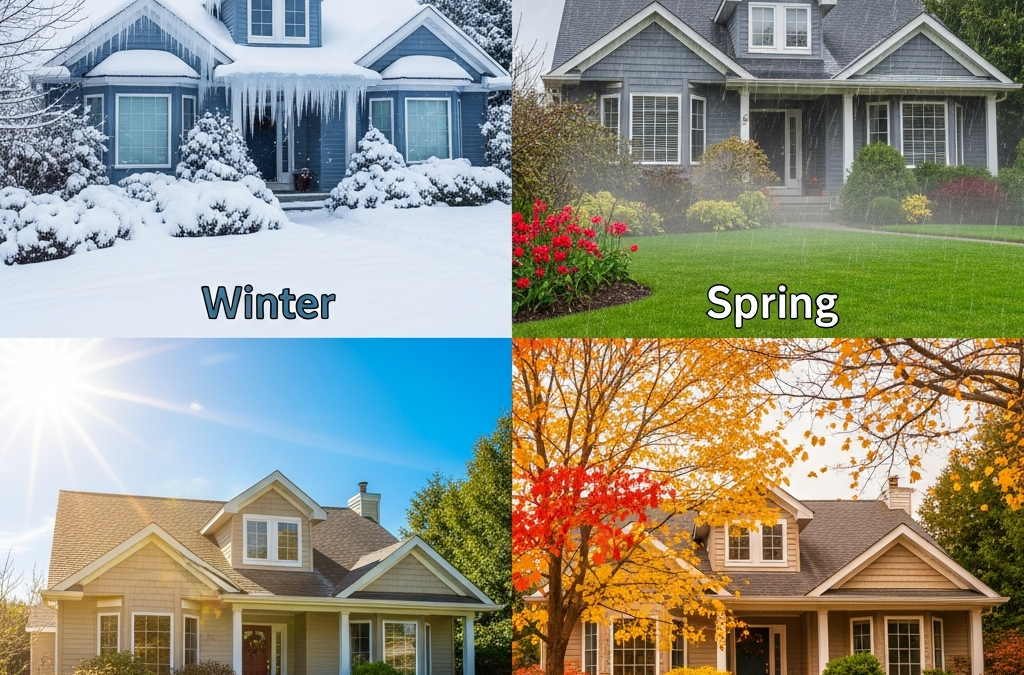
Weather represents one of the most relentless forces affecting your home's condition and longevity. From scorching summer heat to freezing winter cold, torrential spring rains to autumn wind storms, each season brings unique challenges that can damage your property if not properly addressed. The cumulative effect of weather exposure accelerates wear on virtually every exterior component—roofing, siding, windows, doors, foundations, and landscaping.
Weatherproofing your home isn't a single project but rather a comprehensive approach to protecting your home year-round. Effective weatherproofing combines seasonal preparation with strategic improvements that reduce weather vulnerability while improving energy efficiency and comfort. The investment in proper weatherproofing pays dividends through lower energy costs, reduced repair expenses, extended component lifespans, and enhanced property value.
This comprehensive guide walks through season-by-season weatherproofing strategies, addressing each season's specific threats and the protective measures that defend your home. Whether you live in a climate with dramatic seasonal shifts or more moderate year-round weather, understanding how weather affects your home and implementing appropriate safeguards protects your investment for decades to come.
Understanding How Not Weatherproofing Your Home Causes Damage
Before diving into specific weatherproofing strategies, understanding how different weather conditions damage homes helps you prioritize protective measures and recognize vulnerabilities in your property.
Water infiltration causes more home damage than any other weather-related factor. Rain, snow melt, ice dams, and groundwater penetration lead to wood rot, foundation settling, mold growth, interior water damage, and structural deterioration. Water finds every weakness in your building envelope—deteriorated caulking, missing shingles, cracked foundations, or improperly flashed windows.
Freeze-thaw cycles create expansion damage as water freezes and expands in cracks, gaps, and porous materials. This process progressively widens cracks in concrete, damages roof materials, and destroys inadequately protected exterior surfaces. Areas experiencing repeated freezing and thawing face accelerated weathering compared to consistently cold or warm climates.
Temperature extremes stress building materials through expansion and contraction. Siding buckles or cracks, roofing materials deteriorate, caulking fails, and foundations shift as materials repeatedly expand in heat and contract in cold. The greater the temperature swings, the more stress on building components.
Wind damage affects roofing materials, siding, trees near structures, and loose exterior elements. High winds lift shingles, drive rain under siding, topple trees onto structures, and turn loose objects into projectiles. Wind also increases heating and cooling loads by forcing air infiltration through building envelope gaps.
UV radiation degrades materials exposed to sunlight. Paint fades and chalks, asphalt shingles lose granules and become brittle, plastic components crack, and wood weathers to gray unless protected. Southern and western exposures face the most intense UV damage in northern hemisphere locations.
Humidity extremes cause problems at both ends of the spectrum. High humidity encourages mold growth, wood rot, and moisture damage. Very low humidity causes wood to shrink and crack, leading to gaps in wood flooring, trim separations, and structure settling. Proper weatherproofing manages moisture levels throughout the year.
Understanding these damage mechanisms helps you evaluate your home's vulnerabilities and prioritize weatherproofing investments based on your climate and exposure.
Spring Weatherproofing: Recovery and Preparation
Spring brings temperature increases, heavy rainfall, and the opportunity to address winter damage while preparing for summer heat. Spring weatherproofing focuses on inspection, repair, and preparation.
Roof inspection and repair should be your first spring priority. Winter weather often damages roofing materials through ice dams, high winds, or heavy snow loads. Inspect for missing, damaged, or lifted shingles. Check flashing around chimneys, vents, and skylights for gaps or damage. Address any issues immediately before spring rains cause interior water damage.
Gutter cleaning and repair prevents water damage to foundations, basements, and landscaping. Clear gutters and downspouts of leaves, debris, and granules washed from aging roof shingles. Verify gutters slope properly toward downspouts and all sections attach securely to fascia boards. Repair or replace damaged sections before heavy spring rains.
Foundation and drainage inspection identifies winter damage and moisture vulnerabilities. Walk your home's perimeter examining foundations for new cracks or widening of existing cracks. Check that soil slopes away from foundations to direct water away from the structure. Inspect and test sump pumps if your home has basement or crawlspace systems.
Window and door weatherstripping often needs replacement or adjustment after winter. Check all exterior doors and windows for damaged or missing weatherstripping. Replace worn weatherstripping to improve energy efficiency and prevent water infiltration. Test window and door operation—moisture and temperature changes sometimes cause sticking that indicates seal problems.
Exterior caulking inspection reveals gaps that allow water and air infiltration. Check caulking around windows, doors, utility penetrations, and where dissimilar materials meet. Remove and replace any cracked, missing, or deteriorated caulking. Use appropriate caulk types for each application—silicone for wet areas, paintable latex for areas requiring paint coverage.
Deck and patio inspection identifies winter damage to outdoor living spaces. Look for loose boards, protruding nails, structural damage, or deteriorated finishes. Clean decks thoroughly and apply appropriate sealers or stains to protect wood through the coming year. Check that deck ledger boards attach securely to house structures.
Landscape and grading adjustments prevent water from reaching foundations. After spring thaw reveals settled or eroded areas, add soil where necessary to maintain proper slope away from the house. Trim tree branches overhanging the roof—spring growth requires pruning before summer storms arrive. Remove dead trees or limbs that threaten structures.
HVAC transition from heating to cooling season requires attention. Replace HVAC filters, clean around outdoor condenser units, and consider professional tune-ups before heavy cooling season. Verify programmable thermostats function correctly for seasonal changes.
Spring weatherproofing establishes the foundation for year-round protection by addressing winter damage and preparing systems for summer demands.
Summer Weatherproofing: Heat and Storm Protection
Summer brings heat, humidity, severe storms, and increased cooling demands. Summer weatherproofing focuses on managing heat, protecting against storms, and maintaining efficient cooling systems.
Attic ventilation becomes critical for managing summer heat. Proper attic ventilation removes heat buildup that damages roofing materials, overworks air conditioning systems, and creates uncomfortable living spaces. Verify soffit vents remain clear and ridge or roof vents function properly. Consider adding supplemental ventilation if attic temperatures regularly exceed 150°F.
Insulation assessment prevents heat transfer from attics into living spaces. Check attic insulation depth and condition. Most climates benefit from R-38 to R-60 attic insulation. Add insulation if levels are inadequate. Ensure insulation doesn't block soffit vents, which would impair attic ventilation. Check for moisture damage indicating roof leaks or condensation problems.
Window treatments and films reduce solar heat gain through windows. Install reflective window films on southern and western exposures to block heat while admitting light. Use cellular shades, blackout curtains, or reflective blinds during peak heat hours. These measures reduce cooling loads and improve comfort.
Air conditioning maintenance ensures efficient operation during peak demand. Replace filters monthly during heavy use. Keep outdoor condenser units clear of debris, vegetation, and obstructions. Clean condenser coils if dirty. Consider professional service before peak summer if your system hasn't been serviced recently. Verify refrigerant levels and system operation.
Exterior painting and staining protects wood surfaces from UV damage and moisture. Summer provides ideal conditions for exterior painting—warm, dry weather allows proper adhesion and curing. Focus on southern and western exposures showing the most weathering. Properly prepared and painted surfaces resist moisture infiltration and UV degradation.
Storm preparation protects against summer severe weather. Trim dead tree limbs and remove weak trees near structures. Secure loose exterior items that could become projectiles in high winds. Clean gutters and downspouts before storm season to handle heavy rainfall. Consider impact-resistant windows or storm shutters in areas prone to hurricanes or severe hail.
Sealing and caulking maintenance continues as summer heat affects caulking differently than winter cold. Check door and window caulking, expanding and replacing any gaps. Hot weather provides ideal conditions for caulk application and curing.
Foundation watering in extremely hot, dry climates prevents foundation settling. Clay soils shrink dramatically during drought, causing foundations to settle or crack. Soaker hoses around foundations maintain consistent moisture, preventing damaging soil movement. Don't overwater—maintain consistent moisture rather than saturating soil.
Irrigation system maintenance protects landscaping while preventing foundation problems. Inspect sprinkler systems for proper operation, leaks, and appropriate direction. Improperly aimed sprinklers direct water against foundations or under siding, causing damage. Adjust timing and duration based on weather conditions and plant needs.
Summer weatherproofing manages extreme heat while preparing for severe weather, ensuring comfort and protection during challenging months.
Fall Weatherproofing: Winter Preparation
Fall represents your critical window for winter preparation. Projects completed in autumn prevent winter damage and improve cold-weather comfort and efficiency.
Comprehensive roof inspection catches problems before winter weather arrives. Check for damaged, loose, or missing shingles. Examine flashing around all penetrations. Look for gaps where animals might enter attics. Address any issues immediately—winter weather exacerbates existing roof problems and makes repairs difficult or impossible.
Gutter and downspout final cleaning removes fallen leaves before they cause winter problems. Clean gutters completely after trees drop their leaves. Verify downspouts direct water at least 3-5 feet from foundations. Consider gutter guards to reduce future maintenance while allowing water flow. Check that gutters and downspouts are securely attached and properly sloped.
Weatherstripping and door sweeps reduce drafts and heat loss. Check all exterior doors for gaps that allow cold air infiltration. Replace worn door sweeps and weatherstripping. Adjust or replace door thresholds if gaps exist. Install storm doors if not present—they significantly reduce drafts and improve energy efficiency.
Window winterization prepares windows for cold weather. For older single-pane windows, install interior storm windows or apply window insulation film. Check exterior storm windows for proper fit and operation if you have them. Ensure all windows close and lock tightly—locked windows compress weatherstripping for better seals.
Heating system preparation ensures reliable operation during cold months. Replace HVAC filters and schedule professional furnace inspection and tune-up. Clean around furnace areas and verify carbon monoxide detectors function properly. Bleed radiators in hot water heating systems. Test thermostats and verify programmable settings work correctly.
Pipe insulation prevents freezing in vulnerable locations. Insulate exposed pipes in unheated spaces—crawlspaces, attics, garages, and exterior walls. Focus particularly on north-facing exterior walls and areas with previous freezing. Disconnect and drain exterior hoses. Shut off and drain exterior hose bibs in cold climates. Consider frost-free hose bibs for frequently used outdoor faucets.
Foundation and crawlspace ventilation requires seasonal adjustment. In cold climates, close foundation vents for winter to reduce cold air infiltration under homes. Ensure crawlspace vapor barriers remain intact. Check that basement windows close tightly and consider temporary insulation for rarely used basement windows.
Chimney and fireplace inspection ensures safe operation for heating season. Have chimneys professionally inspected and cleaned before use. Check dampers operate properly. Verify fireplace doors seal tightly when closed. Install chimney caps if not present—they prevent rain, animals, and debris from entering while still allowing smoke to exit.
Exterior faucet and irrigation protection prevents freeze damage. Drain exterior faucets and hoses. Blow out irrigation systems in climates with freezing temperatures. Insulate backflow preventers and above-ground irrigation components that can't be drained.
Tree and landscape preparation reduces winter damage. Prune dead or weak branches that might break under snow or ice load. Move potted plants indoors or to protected locations. Mulch planting beds to protect roots from freeze-thaw cycles. Consider burlap wraps for vulnerable evergreens in areas with heavy snow.
Sealing air leaks throughout the home reduces heating costs and improves comfort. Check attics, basements, and crawlspaces for gaps around pipes, wires, and ducts. Seal with appropriate caulk or spray foam. Verify attic hatches seal tightly—weatherstrip if needed. Check whole-house fan covers.
Fall weatherproofing represents your most important seasonal preparation, protecting against harsh winter conditions while improving energy efficiency throughout cold months.
Winter Weatherproofing: Active Protection and Monitoring
Winter requires vigilant monitoring and active protection measures rather than extensive projects. Cold weather limits outdoor work but demands attention to potential problems.
Ice dam prevention protects roofs and gutters from damage. Ice dams form when heat escaping through the roof melts snow, which then refreezes at cold eaves, causing water backup under shingles. Prevention focuses on keeping roofs cold through adequate attic insulation and ventilation. If ice dams form, use roof rakes to remove snow from lower roof sections. Never use salt or sharp objects to remove ice—both damage roofing.
Snow load management prevents structural damage on flat or low-slope roofs. Significant snow accumulation creates enormous weight on roof structures. Monitor snow depth and remove excess snow before dangerous loads accumulate. Use roof rakes with extension poles rather than climbing on snow-covered roofs.
Moisture management prevents condensation problems that cause mold and damage. Winter's temperature differentials between heated interiors and cold exteriors create condensation potential. Use exhaust fans when cooking or showering. Avoid blocking heating vents with furniture or curtains. Consider dehumidifiers if condensation appears on windows or in basements.
Heating system monitoring ensures reliable operation. Check HVAC filters monthly and replace as needed. Monitor for unusual sounds, smells, or performance issues. Keep vents and registers clear. Never block return air vents—restricted airflow stresses heating systems. Maintain reasonable temperature settings—extreme settings stress systems while wasting energy.
Pipe freeze prevention becomes critical during extreme cold. Allow faucets to drip slightly during severe cold snaps—flowing water resists freezing. Open cabinet doors under sinks on exterior walls to allow warm air circulation around pipes. Know where your main water shutoff is located in case pipes burst. Consider pipe heating cables for problematic locations with history of freezing.
Foundation monitoring catches problems early. Watch for new cracks or widening of existing cracks, particularly after significant cold snaps. Monitor for ice buildup around foundations from poor drainage or gutter problems. Keep snow cleared away from foundations when possible to reduce moisture migration into basements.
Drainage vigilance prevents ice buildup and water intrusion. Keep gutters clear of ice when possible. Check that downspouts direct melting snow away from foundations. Remove snow from window wells to prevent basement water infiltration when it melts.
Storm preparation remains important even in winter. Secure loose items before ice or wind storms. Keep emergency supplies accessible—flashlights, batteries, emergency heat sources, water. Know how to manually operate garage doors if power fails. Keep vehicles fueled in case you need to leave for warming centers during extended outages.
Understanding the value of seasonal home maintenance and performing quarterly inspections ensures you catch weather-related issues before they escalate into expensive repairs requiring professional intervention.
Year-Round Weatherproofing Improvements
Beyond seasonal tasks, certain improvements provide year-round weather protection and deserve consideration for long-term home protection.
Premium roofing materials extend roof life while improving weather resistance. Impact-resistant shingles resist hail damage better than standard shingles. Metal roofing lasts 40-70 years and handles extreme weather well. Synthetic slate or shake roofing provides durability without the weight and expense of real slate. While premium materials cost more initially, extended lifespans and superior performance often justify the investment.
High-quality siding protects structural components from weather exposure. Fiber cement siding resists moisture, insects, and fire while maintaining appearance longer than wood. Vinyl siding provides low-maintenance protection at moderate cost. Properly installed and maintained siding with appropriate drainage planes behind it prevents moisture intrusion that causes rot and structural damage.
Energy-efficient windows reduce weather vulnerability while cutting energy costs. Double or triple-pane windows with low-E coatings and gas fills dramatically reduce heat transfer. Impact-resistant windows protect against storms and provide security benefits. Proper installation with adequate flashing prevents water intrusion—window installation quality matters as much as window quality.
Foundation waterproofing prevents water intrusion and moisture problems. Interior and exterior waterproofing systems protect basements and crawlspaces from groundwater. French drains direct water away from foundations. Sump pumps remove water from below-grade spaces. These improvements prevent the costly damage that results from long-term moisture exposure.
Whole-house fans and ventilation manage heat and moisture year-round. Whole-house fans exhaust hot air rapidly on summer evenings, reducing cooling costs. Energy recovery ventilators provide fresh air while minimizing energy loss. Proper ventilation prevents moisture accumulation that causes mold and deterioration.
Smart thermostats and HVAC controls optimize climate control while reducing energy waste. Programmable thermostats adjust temperatures based on schedules. Smart thermostats learn preferences and weather patterns, maximizing efficiency. Zone control allows different temperatures in different areas, improving comfort while reducing energy consumption.
Lightning protection systems safeguard homes in areas with frequent thunderstorms. Lightning rods and grounding systems provide paths for lightning to reach the ground safely, protecting homes from fire and electrical damage. While not necessary for all homes, lightning protection offers valuable peace of mind in storm-prone areas.
Landscaping for weather protection provides natural climate control and storm protection. Deciduous trees on southern and western exposures provide summer shade while allowing winter sun. Windbreaks of evergreen trees reduce winter wind. Strategic landscaping reduces heating and cooling costs while protecting against wind and storm damage.
Climate-Specific Weatherproofing Considerations
Different climates require different weatherproofing priorities. Understanding your climate helps you focus efforts and investments where they provide maximum benefit.
Hot, humid climates (Southeast, Gulf Coast) demand focus on moisture control, air conditioning efficiency, and mold prevention. Priorities include excellent attic ventilation, premium insulation, moisture-resistant materials, and vigilant maintenance of cooling systems and drainage.
Hot, dry climates (Southwest) require protection against UV damage, heat, and dramatic temperature swings. Focus on reflective roofing, excellent insulation, drought-tolerant landscaping, and foundation watering during extreme heat.
Cold, snowy climates (Northern states, mountains) need excellent insulation, ice dam prevention, heating system reliability, and freeze protection for pipes and foundations. Winter preparedness and spring damage assessment become critical.
Moderate climates (Pacific Northwest, parts of California) face moisture challenges from rain without freezing protection needs. Focus on waterproofing, drainage, and moisture-resistant materials while managing moderate temperature swings.
Hurricane-prone regions (Atlantic and Gulf coasts) require storm shutters or impact-resistant windows, reinforced roofing, and flood protection. Building codes in these areas mandate certain protections—verify your home meets current standards.
Tornado-prone areas (Great Plains, Midwest) benefit from reinforced safe rooms, impact-resistant roofing, and secure attachment of roofing and siding to structures. Landscape choices should minimize large trees near structures.
Research your specific climate's challenges and prioritize weatherproofing investments accordingly. Local building codes often reflect regional weather protection needs—meeting or exceeding code provides baseline protection.
Frequently Asked Questions About Home Weatherproofing
What's the most important weatherproofing improvement for any home?
Proper attic insulation and ventilation provide the highest return on investment for most homes. Adequate insulation (typically R-38 to R-60 in attics) reduces heating and cooling costs while preventing ice dams and condensation problems. Combined with proper ventilation, good insulation protects roofing materials, improves comfort, and dramatically reduces energy costs. This improvement benefits homes in all climates and typically pays for itself through energy savings within 3-7 years.
How often should I replace weatherstripping around doors and windows?
Inspect weatherstripping annually and replace it when you notice gaps, cracks, or compression that doesn't rebound. High-traffic doors may need weatherstripping replacement every 1-2 years, while less-used doors and windows might last 3-5 years. Quality weatherstripping materials last longer than cheap versions. Signs requiring replacement include visible light gaps when doors are closed, drafts you can feel, or weatherstripping that has hardened, cracked, or detached from surfaces.
Should I close foundation vents in winter?
In cold climates, closing foundation vents during winter reduces cold air infiltration under homes and prevents frozen pipes in crawlspaces. However, in moderate climates or homes with moisture problems, keeping vents open year-round may be better to prevent mold and moisture accumulation. The decision depends on your climate, crawlspace moisture levels, and insulation. Homes with fully conditioned crawlspaces don't need foundation vents at all. Consult local building experts familiar with your climate for specific recommendations.
How do I prevent ice dams on my roof?
Ice dam prevention focuses on keeping your roof cold so snow doesn't melt and refreeze at eaves. The three-part solution includes adequate attic insulation (R-38 to R-60), proper attic ventilation (continuous soffit and ridge vents), and sealing air leaks between living spaces and attics. This keeps warm air from reaching the roof deck. Additional measures include using roof rakes to remove snow from lower roof sections after major snowfalls and installing ice and water shield membrane under shingles during roof replacement.
What's the difference between caulk and weatherstripping?
Caulk is a flexible sealant applied to stationary gaps between surfaces that don't move—around window frames, between siding pieces, or where different materials meet. It cures into a semi-permanent seal that fills irregular gaps. Weatherstripping is compressible material attached to movable surfaces like doors and windows to seal gaps when closed. Weatherstripping must compress when closed and rebound when opened. Use caulk for permanent seals and weatherstripping for seals that must repeatedly open and close.
How much does professional weatherproofing cost?
Costs vary dramatically by project scope and home size. Basic weatherization (weatherstripping, caulking, minor insulation improvements) might cost $500-2,000 for DIY or $1,500-5,000 professionally. Comprehensive improvements including window replacement, significant insulation upgrades, and air sealing might cost $5,000-25,000 depending on home size. Many utilities offer energy audits (sometimes free) identifying specific improvements with cost-benefit analysis. Government programs sometimes provide rebates or financing for energy efficiency improvements, reducing effective costs.
Can I weatherproof my home myself or should I hire professionals?
Many weatherproofing tasks are excellent DIY projects: replacing weatherstripping, caulking, insulating accessible attics, cleaning gutters, and seasonal maintenance. However, some tasks require professionals: roofing repairs, complex air sealing, spray foam insulation, window installation, and electrical work. According to the U.S. Department of Energy's home weatherization guidance, homeowners can tackle many projects themselves with proper guidance, but comprehensive weatherization often benefits from professional energy audits to identify priorities and ensure proper techniques.
Do window films really help with energy efficiency?
Yes, modern window films significantly reduce solar heat gain in summer while some types retain heat in winter. Low-E window films can reject 40-70% of solar heat while allowing visible light, reducing cooling costs by 10-30% depending on window orientation and size. However, window replacement with double or triple-pane low-E windows provides better overall performance than films on single-pane windows. Films work best as retrofits for homes where window replacement isn't feasible or as supplements on southern and western exposures of homes with existing quality windows.
How do I know if my home has adequate attic insulation?
Measure existing insulation depth in several attic locations. For fiberglass batts, R-30 equals about 9-10 inches, R-38 equals 12-13 inches, and R-49 equals 16-17 inches. For blown insulation, depths vary by material type—cellulose is denser than fiberglass. Compare your measurements to Department of Energy recommendations for your climate zone (typically R-38 to R-60 for most U.S. locations). If insulation is below recommendations or you can see floor joists through insulation, add more. Also check for missing insulation around chimneys, plumbing penetrations, or attic access points.
What causes condensation on windows and how do I prevent it?
Window condensation occurs when humid indoor air contacts cold window surfaces, causing moisture to condense like water droplets on a cold drink. Prevention strategies include reducing indoor humidity (use exhaust fans, fix plumbing leaks, vent dryers outside), improving window insulation (upgrade to double or triple-pane windows), increasing air circulation near windows (avoid blocking with heavy curtains), and slightly raising thermostat settings to warm interior surfaces. Persistent condensation can indicate either excessive indoor humidity or inadequate window insulation—address both issues for complete solution.
Should I worry about small cracks in my home's exterior?
Small hairline cracks in siding, stucco, or mortar are generally cosmetic and result from normal settling and thermal expansion. However, monitor them—photograph with dates to track changes. Cracks wider than 1/4 inch, horizontal cracks in foundations, stair-step cracks in masonry, or cracks that grow over time warrant professional evaluation. Water infiltration through any cracks accelerates damage, so seal even minor cracks with appropriate caulk or sealant. When in doubt, have a structural engineer evaluate concerning cracks to rule out foundation or structural problems.
Conclusion: Year-Round Protection Through Strategic Planning
Effective weatherproofing isn't accomplished through a single weekend project but rather through consistent seasonal maintenance, strategic improvements over time, and vigilant monitoring of your home's condition. Each season brings specific challenges requiring appropriate responses, while certain comprehensive improvements provide year-round benefits.
Start by assessing your home's current weather protection and identifying vulnerabilities specific to your climate and property. Prioritize improvements based on immediate needs—fix leaks and major air leaks first—then tackle systematic upgrades improving overall weather resistance.
Remember that weatherproofing provides multiple benefits beyond just weather protection: reduced energy costs, improved comfort, extended component lifespans, prevention of expensive repairs, and enhanced property value. The investment in proper weatherproofing pays returns year after year through lower operating costs and avoided problems.
Approach weatherproofing as an ongoing commitment rather than a completed checklist. Weather continually challenges your home's defenses, requiring periodic inspection, maintenance, and updating of protective measures. By staying ahead of weather-related deterioration through proactive seasonal maintenance and strategic improvements, you protect your home investment while ensuring comfort and efficiency regardless of what weather conditions nature delivers.
Your home is your most significant investment and your family's shelter—it deserves protection from every season's challenges. Start implementing these weatherproofing strategies today to safeguard your property for decades to come.