


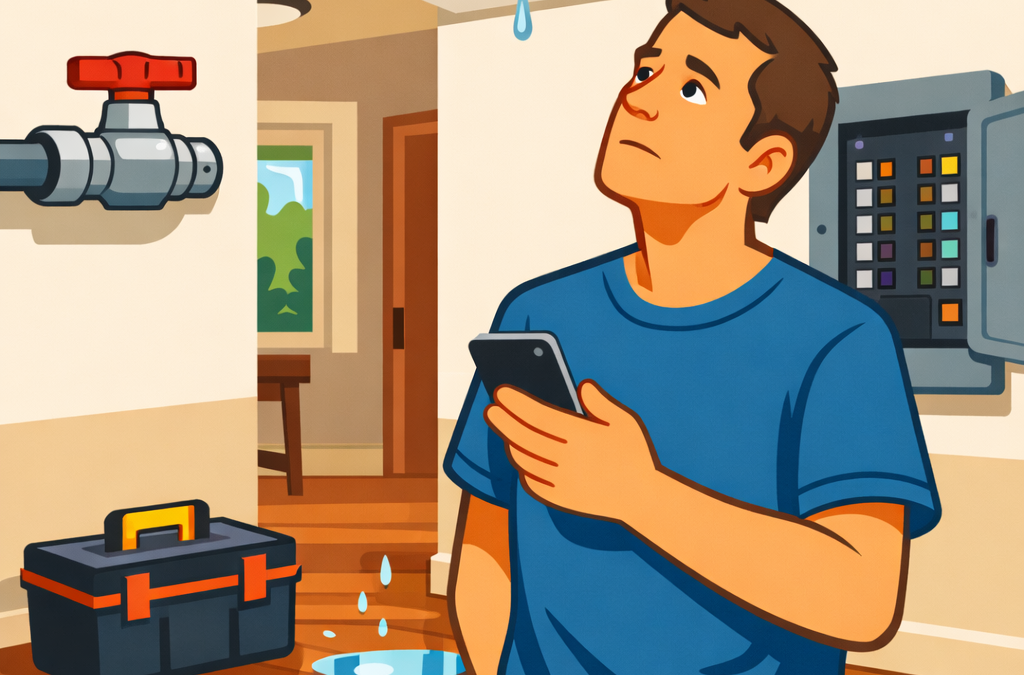
Every homeowner faces that moment of panic: something breaks, starts leaking, or simply stops working. Your heart races as you wonder: does this fall in the category of emergency home repairs? Do I need to call someone right now? Can this wait until morning, or until next week when I have more money in the budget?
Understanding the difference between true emergencies, urgent repairs, and issues that can be scheduled saves you money, prevents panic, and most importantly, protects your home and family from serious damage or danger. This comprehensive guide helps you triage home problems so you can respond appropriately to every situation.
What Defines a True Home Emergency
A true home emergency meets at least one of these criteria:
- Immediate safety threat to occupants or the structure
- Active damage that worsens by the minute or hour
- Loss of essential services in dangerous conditions (no heat in freezing weather, no water supply)
- Structural integrity at immediate risk
- Health hazards requiring immediate response
True emergencies require immediate professional help, regardless of the time, day, or cost. Delaying action on genuine emergencies can result in catastrophic damage, injury, or even death.
True Emergencies: Call for Help Immediately
These situations require immediate professional response. Do not wait, do not delay, and do not attempt DIY fixes.
Gas Leaks
Signs of a gas leak:
- Distinctive "rotten egg" sulfur smell (added to natural gas for detection)
- Hissing or whistling sounds near gas lines or appliances
- Dead or dying vegetation near gas lines
- Physical symptoms: dizziness, nausea, headaches, fatigue
Immediate action required:
- Evacuate everyone from the home immediately
- Do NOT turn electrical switches on or off
- Do NOT use phones inside the house
- Do NOT attempt to locate the leak
- Once outside and at a safe distance, call 911 and your gas company
- Do NOT re-enter until professionals declare it safe
Why this can't wait: Gas leaks can cause explosions and fatal carbon monoxide poisoning. Every second counts.
Major Water Leaks and Flooding
True water emergencies include:
- Burst pipes flooding your home
- Water heater catastrophic failure
- Sewage backup into living spaces
- Roof leak during active storm with water pouring in
- Plumbing failure flooding multiple rooms
Immediate action required:
- Shut off the main water supply if possible
- Turn off electricity to affected areas (if you can do so safely)
- Call emergency plumber immediately
- Begin water removal if safe to do so
- Move valuables and furniture to dry areas
- Document damage with photos for insurance
Why this can't wait: Water damage compounds exponentially. Within 24-48 hours, mold begins growing. Standing water damages flooring, walls, and structural components. Category 3 water (sewage) poses serious health risks.
Note: A slow drip or minor leak, while needing repair, is not an emergency unless it's causing active flooding or located near electrical systems.
Electrical Emergencies
Situations requiring immediate response:
- Sparking outlets or electrical panels
- Burning smell from outlets, switches, or electrical panel
- Outlets or switches hot to the touch
- Frequent breaker trips with burning odor
- Exposed wires or damaged electrical equipment
- Water contact with electrical systems
- Smoke from electrical sources
Immediate action required:
- If safe, turn off power at the main breaker
- Evacuate if there's smoke or fire
- Call 911 if there's fire or immediate danger
- Call emergency electrician for sparking or burning odors
- Never touch electrical equipment with wet hands
- Keep everyone away from affected areas
Why this can't wait: Electrical problems cause house fires. According to the National Fire Protection Association, electrical failures or malfunctions account for approximately 13% of home fires, resulting in hundreds of deaths annually.
No Heat in Freezing Temperatures
When heating loss is an emergency:
- Outside temperatures below 32°F (0°C)
- Vulnerable occupants (elderly, infants, sick)
- Risk of frozen pipes
- No alternative heating source
Immediate action required:
- Call HVAC emergency service
- Use space heaters safely (never leave unattended)
- Keep cabinet doors open to prevent pipe freezing
- Let faucets drip slightly in extreme cold
- Close off unused rooms to conserve heat
- Consider temporary relocation if temperatures dangerous
Why this can't wait: Hypothermia can occur indoors in freezing conditions. Frozen pipes burst, causing thousands in water damage. Elderly and young children are especially vulnerable to cold.
Note: Loss of air conditioning, while uncomfortable, is rarely an emergency unless temperatures exceed 95°F and vulnerable individuals are present.
Structural Damage
Emergency structural issues:
- Sagging or collapsed roof sections
- Visible foundation collapse or major shifting
- Load-bearing wall damage
- Large cracks appearing suddenly in multiple walls
- Floors suddenly sagging or feeling unstable
- Chimney leaning or separating from house
Immediate action required:
- Evacuate if structure feels unsafe
- Call structural engineer or building inspector
- Contact your insurance company
- Do not enter unsafe areas
- Document damage extensively with photos
- Secure the property if possible
Why this can't wait: Structural failure can cause catastrophic collapse. Delaying assessment puts occupants at risk and may void insurance coverage if damage worsens.
Sewer System Backup
Emergency sewage situations:
- Sewage backing up into toilets, tubs, or sinks
- Multiple drains backing up simultaneously
- Sewage smell throughout house
- Visible sewage in yard or basement
Immediate action required:
- Stop using all water immediately
- Turn off main water supply
- Call emergency plumber
- Keep people and pets away from contaminated areas
- Do not attempt to clean sewage yourself
- Call professional remediation if backup extensive
Why this can't wait: Sewage contains dangerous pathogens including E. coli, hepatitis, and other diseases. Category 3 water damage requires professional remediation. Continued water use worsens the backup.
Urgent Repairs: Address Within 24-48 Hours
These issues aren't immediate emergencies but require prompt attention to prevent escalation into serious problems.
Active Roof Leaks During Storms
A roof leak during rain, while concerning, usually isn't an immediate emergency unless water is pouring in rapidly. However, it requires urgent attention.
Action required:
- Place buckets to catch water
- Move valuables away from leak
- If safe, place tarp on roof exterior
- Call roofer for emergency repair
- Document damage for insurance
- Monitor for additional leaks
Timeline: Temporary fix within 24 hours; permanent repair scheduled as soon as weather permits.
Small Plumbing Leaks Near Electrical Systems
Any water leak near electrical systems requires urgent attention due to shock and fire risk.
Action required:
- Shut off water to affected fixture
- Turn off electricity to nearby outlets
- Call plumber within 24 hours
- Keep area dry
- Monitor for worsening
Timeline: Repair within 24 hours.
HVAC Failure in Extreme Weather
Loss of heating when temperatures are above freezing, or loss of cooling in very hot weather (especially with vulnerable occupants), requires prompt but not emergency response.
Action required:
- Call HVAC company for next-day service
- Use alternative heating/cooling temporarily
- Monitor vulnerable individuals
- Address immediately if conditions worsen
Timeline: Service within 24-48 hours.
Significant Water Pressure Loss
Complete loss of water pressure throughout the house suggests a main line problem requiring urgent attention.
Action required:
- Check with neighbors (may be municipal issue)
- Call plumber if isolated to your home
- Check main shutoff valve
- Inspect for visible leaks
Timeline: Diagnosis within 24 hours.
Broken Window or Door Security
A broken window or door that compromises security needs prompt repair.
Action required:
- Board up opening temporarily
- Call glass company or door repair
- File police report if due to break-in
- Contact insurance company
- Improve security temporarily
Timeline: Temporary security immediately; permanent repair within 48 hours.
Important But Not Urgent: Schedule Within 1-2 Weeks
These problems need professional attention but won't cause immediate damage if addressed promptly.
Moderate Plumbing Issues
- Slowly dripping faucets
- Running toilets
- Slow drains (one fixture)
- Minor leaks that you can contain
- Low water pressure at one fixture
Why you have time: These issues waste water and money but won't cause structural damage in the short term. However, don't ignore them indefinitely.
Action required: Schedule repair within 1-2 weeks. Monitor to ensure problems don't worsen.
Electrical Problems Without Danger Signs
- Outlets not working (but not sparking or hot)
- Light fixtures not functioning
- Circuit breakers tripping occasionally (without burning smell)
- GFCI outlets needing replacement
Why you have time: While these need repair, they don't pose immediate danger if you're not using the affected circuits.
Action required: Schedule electrician within 1-2 weeks. Don't use affected outlets until repaired.
Minor Roof Damage
- A few missing or damaged shingles (in dry weather)
- Damaged flashing (not currently leaking)
- Gutter issues (in dry season)
Why you have time: In dry weather, minor roof damage won't cause immediate problems. However, schedule repairs before the next rainy season.
Action required: Get estimates and schedule repair within 2 weeks, prioritizing before weather changes. As discussed in our article about seasonal home maintenance, addressing roof issues during appropriate seasons prevents emergency situations.
HVAC Issues in Mild Weather
- Inefficient heating/cooling in moderate temperatures
- Strange noises from system
- System cycling frequently
- Weak airflow
Why you have time: When weather is mild, HVAC problems are inconvenient but not dangerous.
Action required: Schedule service within 1-2 weeks. Address before extreme weather arrives.
Foundation Concerns
- Small cracks not actively growing
- Minor settling issues
- Hairline cracks in walls
Why you have time: Most foundation issues develop slowly. Small, stable cracks aren't emergencies but need professional assessment.
Action required: Schedule foundation inspector within 2 weeks. Monitor cracks for growth. Understanding how your home's systems interconnect helps you recognize when foundation issues might affect other components.
Can Wait 2-4 Weeks: Schedule at Convenience
These issues need attention but can be scheduled when convenient for you and the contractor.
Cosmetic Problems
- Paint damage or peeling
- Drywall damage (cosmetic only)
- Flooring wear
- Trim or molding damage
Why these can wait: Cosmetic issues don't affect function, safety, or structure.
Action required: Schedule repairs within a month or when budget allows.
Minor Appliance Issues
- Dishwasher not cleaning perfectly
- Dryer taking longer than usual
- Refrigerator making noise but maintaining temperature
- Oven temperature slightly off
Why these can wait: Appliances still functioning (even if not perfectly) aren't emergencies.
Action required: Schedule service within a month. Monitor to ensure problems don't worsen.
Exterior Maintenance
- Siding damage (not affecting weatherproofing)
- Fence repairs
- Deck cleaning or minor repairs
- Landscaping issues
Why these can wait: Exterior cosmetic issues can be scheduled seasonally when weather is appropriate.
Action required: Schedule during appropriate season within 1-2 months.
How to Prevent Emergencies
The best approach to home emergencies is preventing them from happening in the first place.
Regular Maintenance
Consistent maintenance catches problems before they become emergencies:
- Annual HVAC service prevents mid-winter breakdowns
- Regular plumbing inspections identify leaks before they burst
- Electrical panel checks reveal dangerous conditions
- Roof inspections catch damage before leaks develop
- Water heater maintenance prevents catastrophic failures
Research from the National Association of Home Builders shows that regular maintenance extends system life by 25-50% and reduces emergency repairs by up to 70%.
Know Your Home's Systems
Understanding your home's anatomy helps you catch problems early. Know where your:
- Main water shutoff is located
- Electrical panel is and how to turn off power
- Gas shutoff valve is positioned
- HVAC emergency switch is located
- Sump pump is and how to test it
Seasonal Preparations
Weather-related emergencies often can be prevented:
- Before winter: Service heating system, insulate pipes, clean gutters
- Before summer: Service AC, check for roof damage, clear storm drains
- Before storms: Trim trees, secure outdoor items, check sump pump
Address Small Problems Promptly
Many emergencies start as small problems that were ignored. As detailed in our article about the real cost of delaying home repairs, small issues compound quickly. That slow leak you ignore becomes a burst pipe. That occasional breaker trip becomes an electrical fire.
Build an Emergency Fund
Financial preparedness reduces emergency stress:
- Keep 3-6 months expenses saved
- Set aside 1-3% of home value annually for repairs
- Have credit available for true emergencies
- Research contractors before you need them
Making the Call: Your Decision Framework
When something breaks, use this framework to decide how urgently to respond:
Ask These Questions:
- Is anyone's safety at immediate risk? (Yes = Call 911 or emergency services immediately)
- Is damage actively occurring right now? (Yes = Stop the damage source if possible, call professional urgently)
- Will waiting 24 hours make this significantly worse? (Yes = Call for next-day service)
- Is this affecting an essential system in extreme conditions? (Yes = Call for prompt service)
- Can I safely contain or temporarily fix this? (Yes = Implement temporary fix, schedule proper repair)
- Is this purely cosmetic or minor convenience? (Yes = Schedule when convenient)
Consider These Factors:
- Time of occurrence: True emergencies warrant after-hours calls. Minor issues can wait until business hours.
- Your capabilities: Don't attempt temporary fixes beyond your skill level, especially with electrical or gas systems.
- Available resources: Emergency service costs more. If it's not truly urgent, waiting saves money.
- Vulnerable occupants: Elderly, infants, or ill family members increase urgency for heating, cooling, or water issues.
- Weather conditions: Extreme weather escalates urgency for climate control and water intrusion issues.
When in Doubt
If you're unsure whether something qualifies as an emergency:
- Call a professional for phone consultation (many offer this free)
- Document the issue with photos and video
- Implement any safe temporary measures
- Monitor the situation for changes
- Trust your instincts about safety
Cost Considerations
Emergency repairs cost significantly more than scheduled service:
- After-hours service: 1.5-3x normal rates
- Emergency calls: Additional $100-$500 premium
- Weekend/holiday service: 2-3x normal rates
However, true emergencies justify these costs. The expense of emergency service is always less than the cost of catastrophic damage.
Cost comparison example:
- Scheduled pipe repair: $200-$400
- Emergency burst pipe repair: $1,000-$2,000
- Burst pipe repair PLUS water damage remediation: $5,000-$20,000
Addressing problems at the appropriate urgency level balances cost with risk management.
Building Your Emergency Response Plan
Every homeowner should have an emergency response plan:
Create Your Emergency Contact List
Keep this list accessible (on your phone, on the fridge):
- Emergency services: 911
- Gas company emergency line
- Electric company emergency line
- Water company
- Insurance company
- Trusted emergency plumber
- Trusted emergency electrician
- HVAC emergency service
- Reliable general contractor
- Restoration company
Know Your Shutoffs
Practice locating and operating:
- Main water shutoff
- Individual fixture shutoffs
- Main electrical panel
- Gas shutoff valve
- HVAC emergency switch
Assemble Emergency Supplies
Keep these items accessible:
- Flashlights and batteries
- Wet/dry vacuum
- Buckets and tarps
- Basic tools
- Plumber's tape and epoxy
- Fire extinguisher
- First aid kit
- Emergency heating/cooling sources
Document Your Home
Maintain current documentation:
- Photos of all rooms and systems
- Model numbers and ages of major systems
- Service history and warranties
- Insurance policy details
- Contractor contacts and past work
The Bottom Line on Emergency Home Repairs
Not every home problem requires immediate action, but knowing which ones do protects your home, your family, and your finances. True emergencies involve immediate safety risks, active damage, or loss of essential services in dangerous conditions. These warrant immediate professional response regardless of cost or time.
Urgent issues require prompt attention within 24-48 hours to prevent escalation into emergencies. Important but non-urgent problems can be scheduled within 1-2 weeks, while minor issues can wait a month or more.
The key to managing home emergencies effectively is:
- Recognize true emergencies immediately
- Respond appropriately to each urgency level
- Prevent emergencies through regular maintenance
- Prepare with emergency plans and contacts
- Act decisively when safety is at risk
Remember: when it comes to safety, it's always better to call for help and be wrong about the urgency than to delay and face catastrophic consequences. Your home is your largest investment and your family's shelter. Protecting it through appropriate emergency response and preventive maintenance ensures it remains safe and sound for years to come.
For more guidance on maintaining your home and preventing emergency situations, consult resources like the American Red Cross home safety guidelines which provide comprehensive emergency preparedness information for homeowners.
Trust your instincts, prioritize safety, and don't hesitate to call professionals when situations warrant immediate attention. Your home's integrity and your family's safety are always worth the cost of appropriate emergency response.